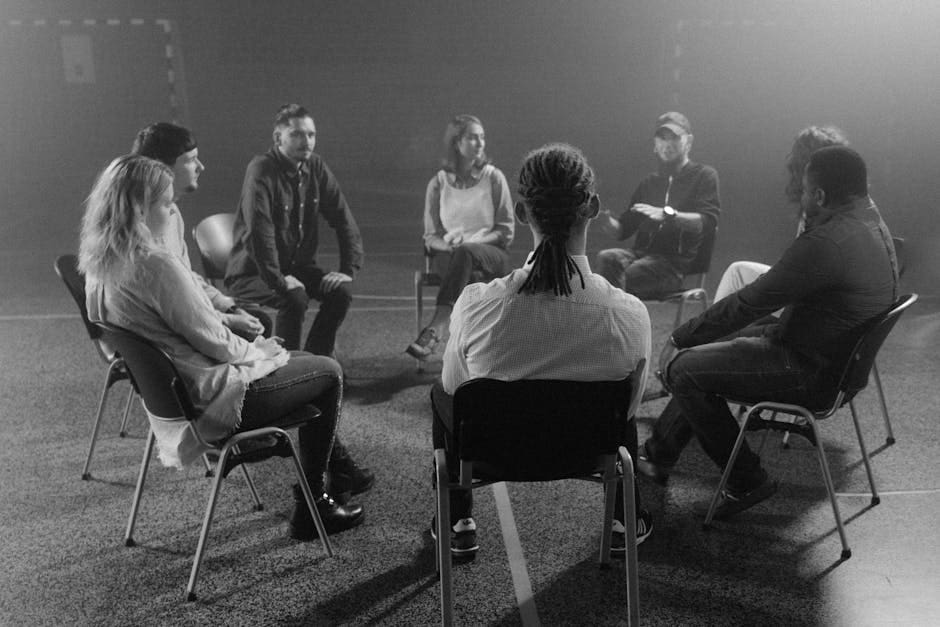
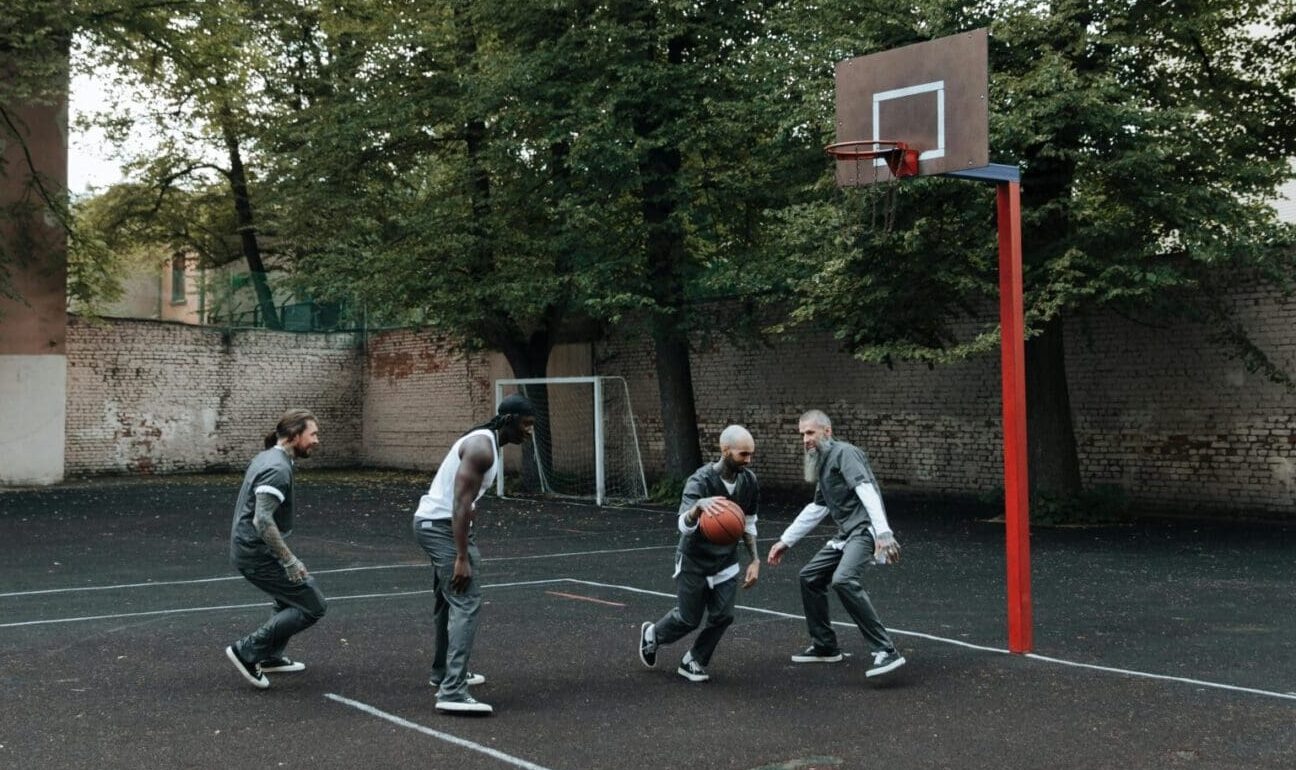
Credit: Ron Lach, Pexels
Beyond the physiological benefits, sport has long been identified as a tool to rebuilding life through the ever-lasting benefits of consistent physical activity.
In prisons – where isolation, institutionalisation and the lack of community can already place people under immense psychological pressure – sport can offer structure, belonging and a sense of purpose that extends far beyond the pitch or gym.
To discuss the psychological impact of sport in prisons, the role of mentorship and community, and how rehabilitation programmes can support people both during and after incarceration, Uproute sat down with Professor Rosie Meek, a renowned UK prison scholar whose work has focused extensively on prison-based rehabilitation programmes, to understand the role sport and physical activity can play in helping people rebuild their lives after incarceration.
Q: First off, Rosie, could you introduce yourself and the work you’re involved in?
Rosie Meek: “I’m a professor of psychology at Royal Holloway, University of London. Most of my work is prison-based, but I’m particularly focused on providing positive experiences to prepare people for resettlement – what we increasingly call desistance. As part of that, I focus especially on sport and physical activity, but also other positive interventions like the arts, creativity and innovative interventions.”
Q: What kind of psychological changes can happen when someone in prison learns a new physical activity or gets involved in sport?
“It depends on the individual and on what our objectives are. One of the strengths of sport is that it can be used in so many different ways. For example, I might use yoga with people who have experienced trauma and need help regulating their nervous system.
Team sports like football or rugby can help people develop communication skills and emotional regulation, while boxing can appeal to people who are passionate about developing self-discipline and regulation. It’s not a one-size-fits-all approach. It has to be tailored to an individual’s circumstances and needs.”
Q: Through team sports, everybody has a role and has to work together. What does that teach the incarcerated?
“Giving people a meaningful role as part of a team working towards a common goal is incredibly valuable. There are so many different roles people can take on, each equally important, such as the player, the coach, even the water boy. People often learn that the ways they may have communicated before are not always effective.
Team sports can help develop empathy, compassion, non-violent communication skills and better ways of responding to challenges or resolving conflict. Those are skills we envision people can take off the pitch and apply elsewhere in life.”
Q: How important is regaining a sense of autonomy and control for people in prison, and how can sport help with that?
“It’s massive. Incarceration is the most serious response we have within the justice system. When you deprive someone of their liberty, you also deprive them of so much decision-making around their life – what they eat, when they sleep, what they do during the day and when their door opens.
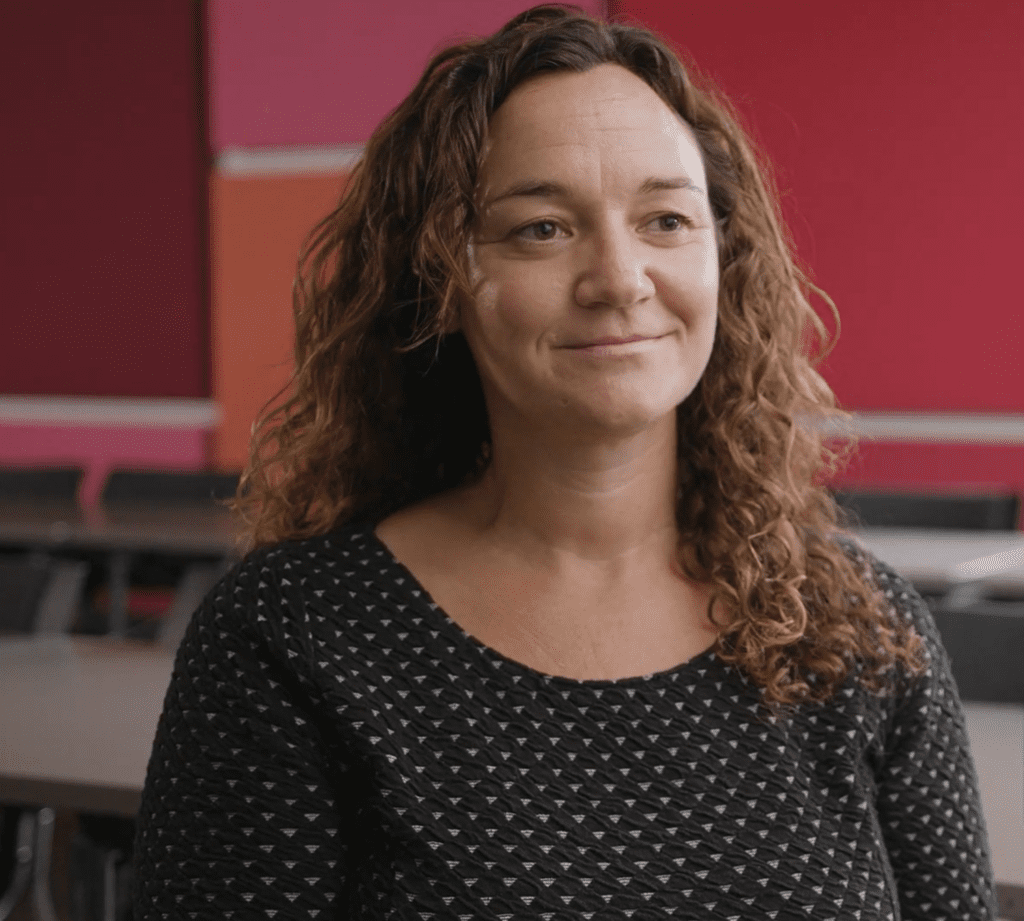
Professor Rosie Meek supports the UN Office for Drugs and Crime on their crime prevention initiatives, including the role of sport in youth crime prevention. Credit: Royal Holloway.
Having all of that control taken away is psychologically very damaging. Sport plays a major role in developing autonomy, alongside education and cognitive skills programmes. It gives people the value of self-mastery, convicts realise that if they practise something consistently, they can develop a skill which can then be applied to many other parts of life.
People often tell me that when they’re engaging in sport or exercising in the gym, they briefly feel free, or normal, or simply not in prison. That’s incredibly powerful.”
Q: How does being part of a sports team compare psychologically to life on a prison wing?
“Often there isn’t much genuine sense of community in prison. Many people feel isolated unless they’re involved in gang affiliations, which come with their own challenges.
Sport can bring together people who otherwise wouldn’t give each other the time of day, either in prison or outside it. We also often see positive effects when sport brings prison staff together with prisoners. Those relationships can often be fractured and difficult, but sport can help break down barriers and increase respect and collaboration.”
Q: Are there risks involved in these environments too, whether in sport or other high-pressure settings?
“Absolutely. There’s some research around what we sometimes call “positive deviance”, where people become so focused on succeeding that they’re willing to do it at any cost.
For example, someone might start taking steroids to improve performance, overtrain to the point of injury, or cheat because they’re desperate to achieve. So we have to recognise that these environments don’t solve everything by themselves. What we should really be doing is helping people recognise their limits and manage stress in healthy ways.”
Q: How important are mentorship and support in keeping people engaged in these programmes?
“From all my work in this area, I’d say the sport itself isn’t necessarily the biggest factor. The real impact comes from the therapeutic relationships and trust that are built around it.
That mentoring, coaching and support are incredibly valuable. People need to feel they can trust someone, that they have a safe place to share concerns and that they’re not on their own.
Even people who appear full of bravado often carry a lot of anxiety. We’ve seen with prison sports initiatives that unless someone is there to guide people through the first few sessions, introduce them to others and help them feel comfortable, many people will hesitate because they’re stepping outside their comfort zone.
Having someone who genuinely cares and is willing to act as a mentor can make a huge difference.”
Q: How important are community and voluntary organisations centred around physical activity in helping people after release from prison?
“They’re massively important because the point at which people leave prison is often when they’re most vulnerable and in need of support. Some people become institutionalised from having so much decision-making taken away from them, so returning to everyday life can be overwhelming.
Grassroots and voluntary organisations are often the ones that step in and meet those needs. They also provide a sense of community, which is absolutely crucial.
I’m heavily involved with Parkrun, and we’ve been developing Parkrun initiatives in prisons to encourage people to build that habit inside prison and continue it after release. The Parkrun community is incredibly welcoming and inclusive, and that’s valuable because it’s free and available all over the country.
A lot of people leaving prison don’t have a stable family environment, positive peer groups, employment or education waiting for them. Simply providing a safe and positive space can therefore be massively important.”
Q: Are there organisations doing particularly strong work in this area that people should know about?
“The Clink restaurants are a fantastic example. People can visit restaurants inside prisons, enjoy a very well-prepared meal and support rehabilitation work at the same time.
There are also brilliant arts organisations like Geese Theatre Company, which involves prisoners in theatre productions both before and after release. In sport, I work with a rugby-based organisation called Three Pillars, which supports people in prison and after release through rugby.
There are so many organisations doing important work, and that’s exactly what we need: a network of support around people when they need it most.”
Q: How do you measure whether these programmes are actually working?
“I do a lot of work around measuring outcomes and evaluating programmes because if we’re investing resources into something, we need to know whether it’s effective.
Some measures are qualitative. We can ask people about their experiences or observe behaviour. In prisons, we might look at whether someone becomes less likely to engage in violence, self-harm or disciplinary issues after taking part in a programme.
There are also physical health outcomes, which are valuable in themselves because prison populations are often unhealthy and inactive. We also work a lot with people recovering from addiction and using physical activity as part of that recovery process.”
Q: Have you seen evidence that these programmes reduce reoffending?
“Yes. Some of my earlier work around football and rugby programmes in prison tracked participants after release. Even though many of those individuals were initially classified as medium to high risk, they were significantly less likely to reoffend after taking part in the intervention.
Sometimes progress can also be more subtle. Someone may still reoffend, but for a far less serious offence than before, and that can still represent meaningful progress.”
Q: After all the years you’ve spent doing this work, what’s the most rewarding part of it?
“Without doubt, it’s the individual stories.
Earlier in my career, I worked with Ian Wright on a football programme at Portland Young Offender Institution. We used football to support young men as they prepared for release.
A couple of years ago, one of the participants got back in touch with me. After taking part in the programme and being mentored by Ian Wright, he’d gone on to become a professional footballer himself. He was approaching retirement and setting up his own charity to support young people in the justice system.
Things like that are always incredibly rewarding – when someone recognises that another person went the extra mile for them, and then wants to do the same for others.”
To know more about Professor Meek’s work, click the link here.