Photo: Hugh Venables on Geograph
We’ve all heard the same story from our parents. When they were younger, they bought their first house in their early 20s for a ridiculously low price, selling it on for a lot of profit years later.
Sadly, for the current generation of first time buyers, this is no longer possible.
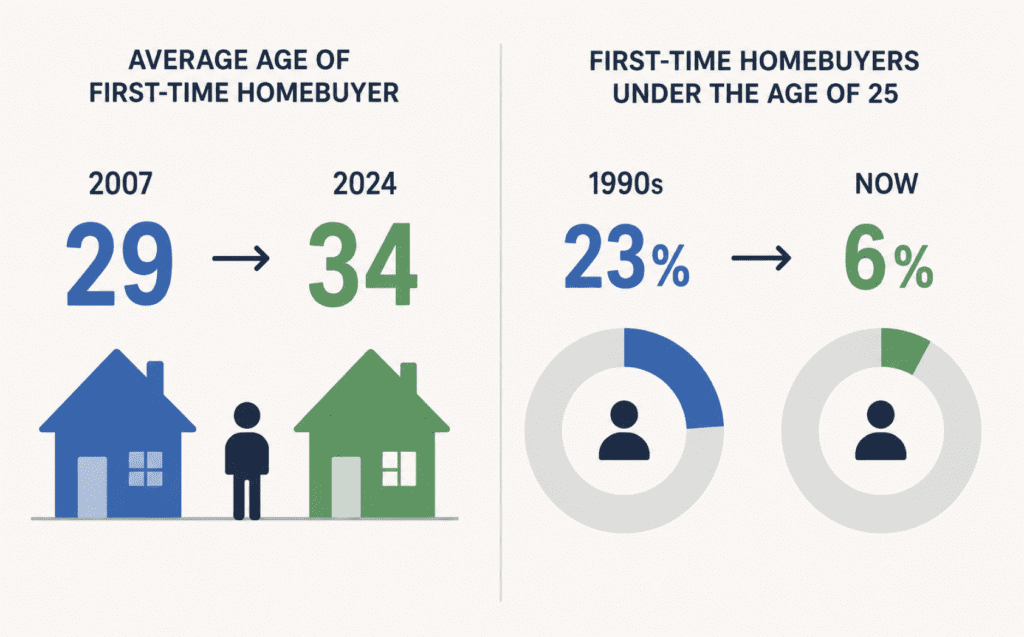
The average age of a first-time housebuyer in the UK is now 34, up from 29 in 2007. In the 1990s, nearly a quarter (23%) of first time buyers were under the age of 25. Now, that figure sits at just 6%.
A recent Ipsos poll shows that 97% of MPs believe the UK is currently facing a housing crisis; yet years of short-term policies, political inaction and failed promises have pushed the country towards an increasingly unsustainable situation.
Speaking to the Guardian in 2023, Kier Starmer described Britain’s ‘broken housing system’ as ‘expensive and insecure’, adding that the current situation is ‘pushing people back into poverty and homelessness.’
With one third of the UK population currently stuck in a vicious circle of renting, words are no longer good enough- a clear solution must be found, and it must be found fast.
Uproute sat down with Stephen Dean- a private landlord who owns numerous properties across Northern England and Scotland- to get his views on the current crisis. He said: “The reason we are in this crisis is because there’s a deficit in terms of the number of houses we need for the people in the country.
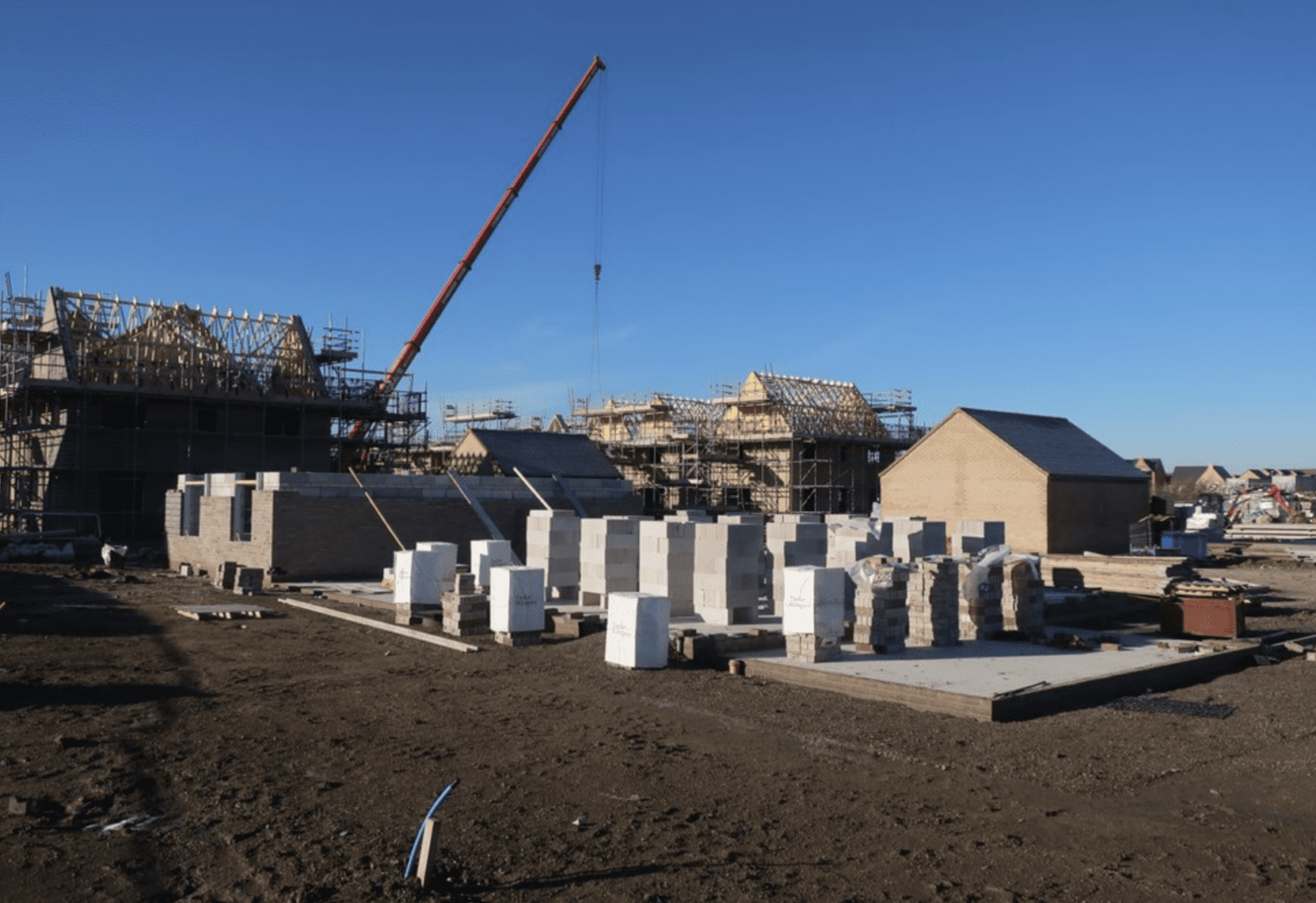
“The last figures showed that we need close to 2 million additional houses in order to meet the demand. We aren’t building enough, and with a growing population, it’s always getting worse.
“There’s a few reasons why young people are struggling to get on the property ladder. Firstly, the amount of money needed for a deposit is always restrictive. The population growth is another significant issue.
“In my experience, the people seeking rental properties aren’t necessarily young. One of my recent rentals was to a gentleman in his 50s, although a lot of rentals go to families, or people in their late 20s. Student properties are the other big ones.”

Recently, Labour pledged to start the largest housebuilding programme since the 1950s, with the potential to build as many as 12 ‘new towns’, containing hundreds of thousands of affordable homes.
The concept of ‘new towns’ dates back to the aftermath of WW2, when Britain faced severe housing shortages due to overcrowded and bomb-damaged cities.
In 1946 the government passed the New Towns Act, a policy centered around building entirely new urban settlements within commutable distance to major cities. As a result, Milton Keynes, Stevenage and Harlow were all developed as new towns between 1940 and 1970.
Some of the locations currently under consideration to become new towns are London South Bank, Thamesmead, Manchester Victoria North and Brabazon near Bristol.
New towns have been a topic of intense debate for many years now; some people believe that the concept could help to fix the housing issue, others fear that the loss of green spaces would have a negative impact on the environment.
Many people, including Stephen, hope that government schemes like this could be the answer to the housing crisis. He added: “Poor policies are to blame for this crisis, 100%. Labour came into power promising to build 1.5 million houses, and have so far managed about 150,000. Before that, the Tories were the same. They’re nowhere near the target.
“Take the new Renters Act- a lot of private landlords have started to exit the business because of it. Those still in the business are pushing up prices even more, making it even harder for anyone saving up whilst renting to buy a house, because they now have to pay more rent. It’s a vicious cycle that needs to be addressed.”
“Another issue is a lot of the houses being built at the moment aren’t starter homes- they are third or fourth homes for a lot of people. Normally, there’s a ladder- if someone moves out of their third home and into a fourth home, then someone lower down on the ladder will also be able to move up a step- that doesn’t seem to be happening at the moment.
“There aren’t enough reasons for housebuilders to build cheaper homes at the moment, because the money is in the bigger houses. The government needs to incentivise it for the building companies, and that would start to fix the issue.
“At this current rate, in 10-15 years time, things could get a lot worse.”