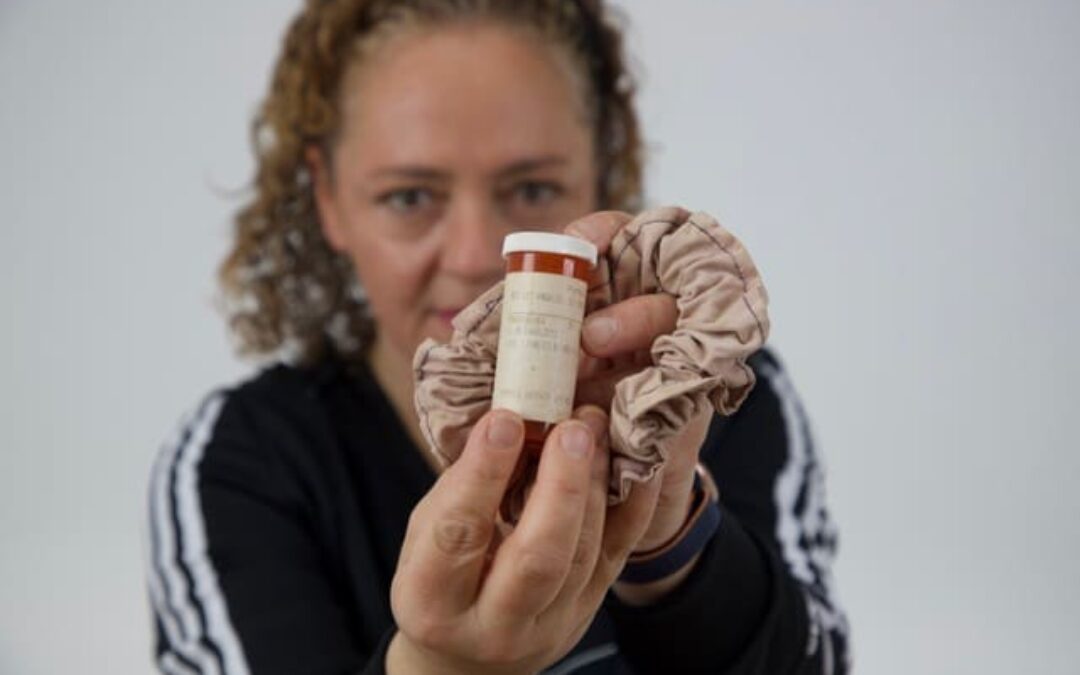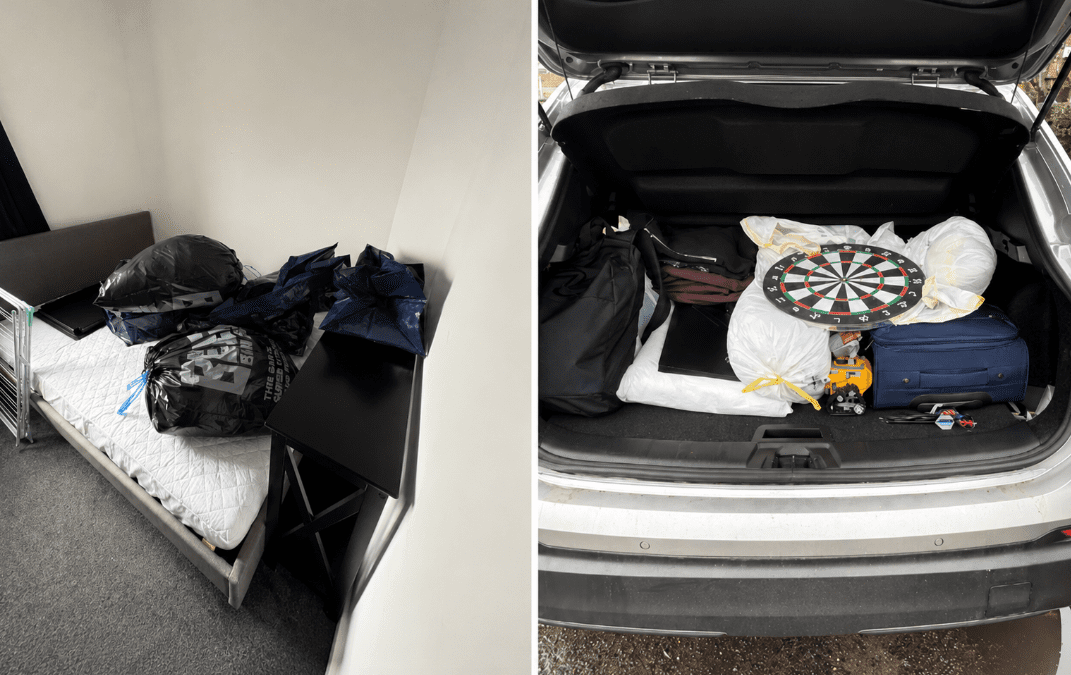
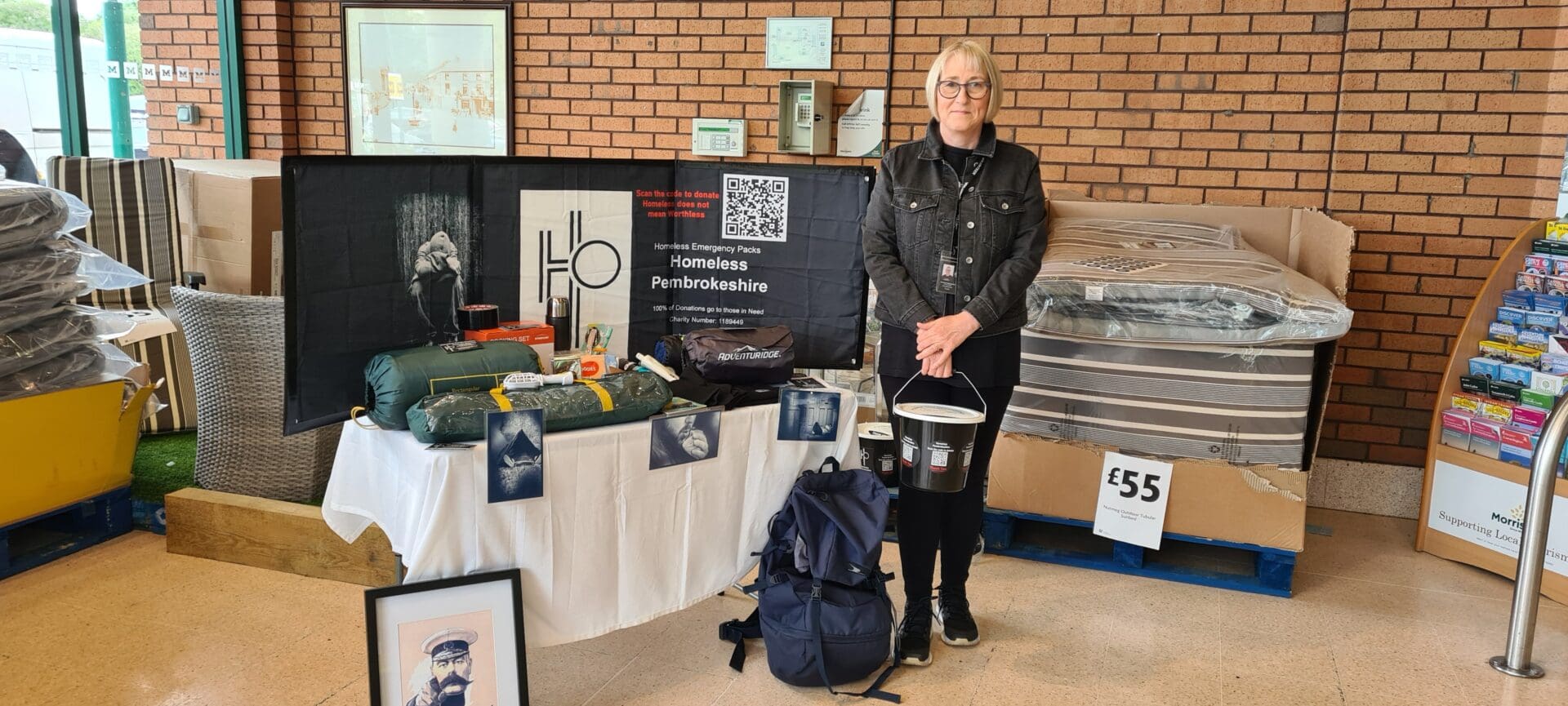
Photo: Amanda Evans
The door of the pawn shop swung shut behind her. In her hand was £150, the price of her wedding ring, the price of starting again.
Amanda Evans had walked out of the Building Society with the realisation that her husband had taken everything, the whole £25,000 removed from their joint account as if it was never there.
“I walked out and wanted to run in front of a bus,” she says. “The only thing that stopped me was that I didn’t want to give him the satisfaction.”
She fled her home in 2020 to escape years of domestic abuse. What followed was not comfort, nor refuge, but a two-year descent into homelessness.
Throughout her struggles, she still ran her homeless charity ‘Homeless Pembrokeshire’. No one knew she was homeless.
Looking back to when she had nowhere to call home it is inspiring how she was able to get back on her feet and run a charity at the same time.
Homeless Pembrokeshire continues to help people in need thanks to Amanda’s perseverance and determination to turn her life around.
Government data shows that 69% of homeless women have experienced domestic abuse. However, for many women like Amanda, leaving home does not guarantee escaping danger.
Amanda founded the charity after learning about the death of a homeless man in her town, whom she had once avoided on the street out of fear. The guilt became her purpose. The charity provides emergency rough-sleeping packs: including tents, sleeping bags and essential supplies to people facing the same situations she once faced.
No safe place to turn
Her first call after fleeing home was to a domestic abuse charity. It took the charity three days to respond to her calls, yet when they did she was told she was too young and healthy, and that the local hostel was full. They told her that if she wanted somewhere to stay, she would have to leave the county.
“I barely knew Pembrokeshire,” she says. “I was frightened of going somewhere I didn’t know.”
So she didn’t. Instead, Amanda began sofa-surfing among acquaintances she barely knew, washing her clothes in sinks, drying them on towel rails, and pretending everything was fine.
“I tried to look tidy, pretended to be cheerful,” she says. “But I was often crying behind dark glasses.”
At night, she kept her hood pulled tight, clasping her little money against her chest and wandering down dark, unfamiliar roads.
Nevertheless, she continued supporting others, distributing essential items which she never once took for herself.
She says.“I found running the charity a distraction; I had nothing, but I was not prepared to lose the charity I started.”
The hidden reality of homeless women
“Being a woman and homeless is a different experience from being a man,” she says. “I felt I was being groomed by one male I knew, offers of a roof, a shower, promises to keep me safe. But I knew he was a drug dealer. I was very depressed, but adding drugs to the mixture was not the answer.”
The danger was not always as overt. One woman she stayed with made clear she “preferred women,” leaving Amanda to stay out as much as she possibly could in the day, only returning at night to sleep. This consistent anxiety led Amanda into a spiral of depression, where she took her frustration out on herself in the form of self-harm.
One night, she was forced to abandon a difficult sofa surfing situation, leaving her alone on church steps in the dead of night. From every pub, groups of men spilt out, loud, unpredictable. She gripped a door key in her hand and moved away.
“If a homeless woman doesn’t have safe, secure accommodation,” she says, “many women are probably abused mentally and physically, but it goes unreported.”
It was times like this that the reality of being a homeless woman became unavoidable.
The charity founder who could not ask for help
Amanda’s experience is not an anomaly. Single Homeless Project 2024 consensus explains that 15% of rough sleepers are women, yet this is just the tip of the iceberg. From first-hand research, the charity found that up to 10 times more women could be sleeping on the streets than the government suggests.
The dangers that women face on the street still face a consistent lack of coverage, drowned out by the more visible, more photographed image of a rough sleeping man in a doorway. Crisis Homelesness 2026 report showed an 8% increase in women seen sleeping on the streets, however the specific dangers faced by women remain largely invisible in public discourse.
Amanda knows of this misrepresentation personally. She ran a homeless charity. She could not bring herself to go to the local authority. “I felt I could not go for fear of being a laughing stock,” she says. “I ran a homeless charity, and I was homeless.”
Her isolation was only made worse by the lack of support she received. A staff member at one organisation told her she couldn’t come to help her open a bank account because of childcare difficulties. “I was so cross I reported her to her manager,” Amanda says. She waited five weeks for Universal Credit. She was offered no clothes, no phone and no support. She wrote to her MP. “I told them the system is broken,” she says. “There are false promises of help.”
When times got particularly dark, she had only two numbers to call: the Live Fear Free helpline and the Samaritans. That was it. She had nothing, but she was not prepared to lose the thing she had built.
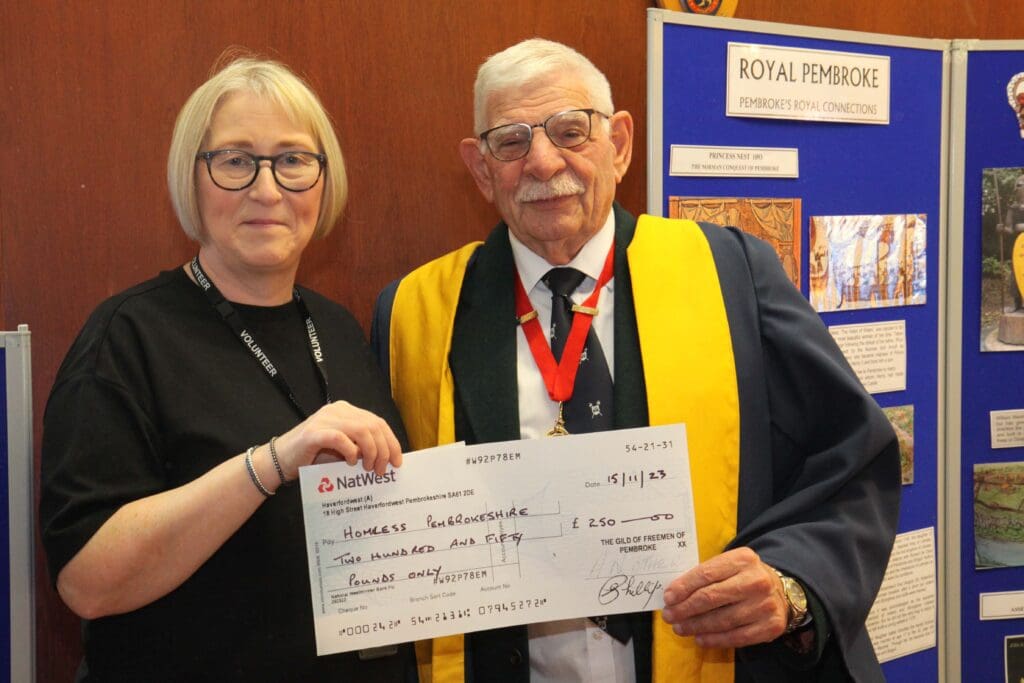
Photo: Amanda Evans
Rebuilding after homelessness
When the divorce came through, after two years, the relief was total. “It felt like the war was over,” she says. “I don’t think I could have gone on much longer.”
The turning point for Amanda came slowly. Small amounts of financial support, alongside access to Universal Credit, allowed her a gradual return to normality. The finalisation of the divorce marked more than the end of a relationship; instead, it was the first bit of stability she had felt in years.
With that stability, Amanda began to rebuild.
ALSO READ: ‘I just want to live my life’: Meet the homeless 21-year old who’s gone viral on TikTok
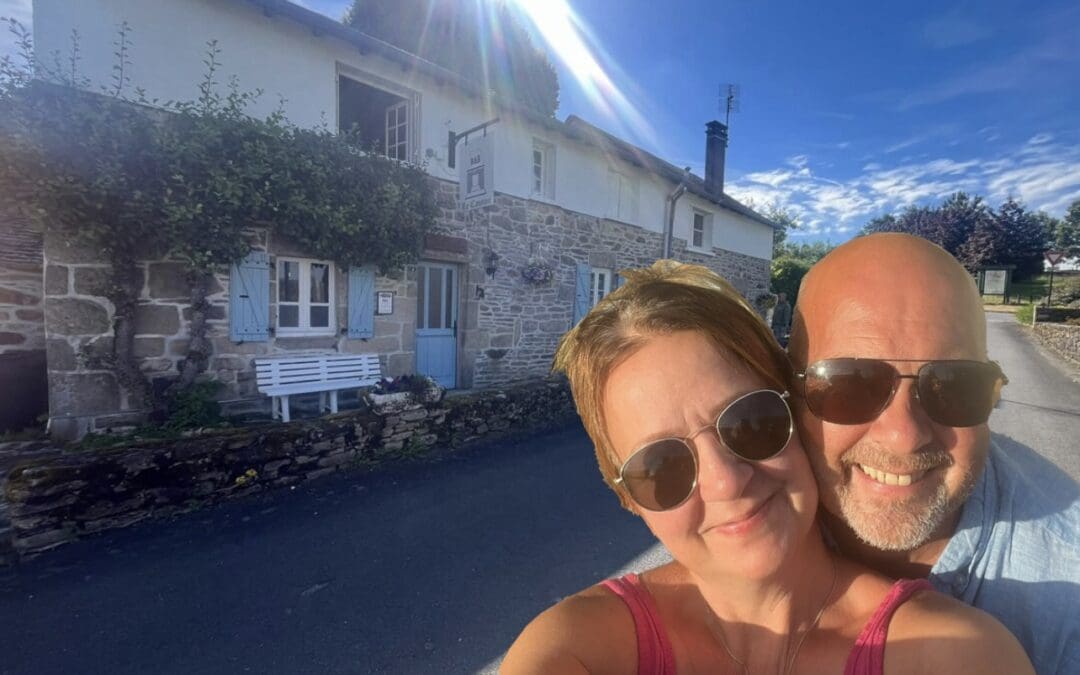
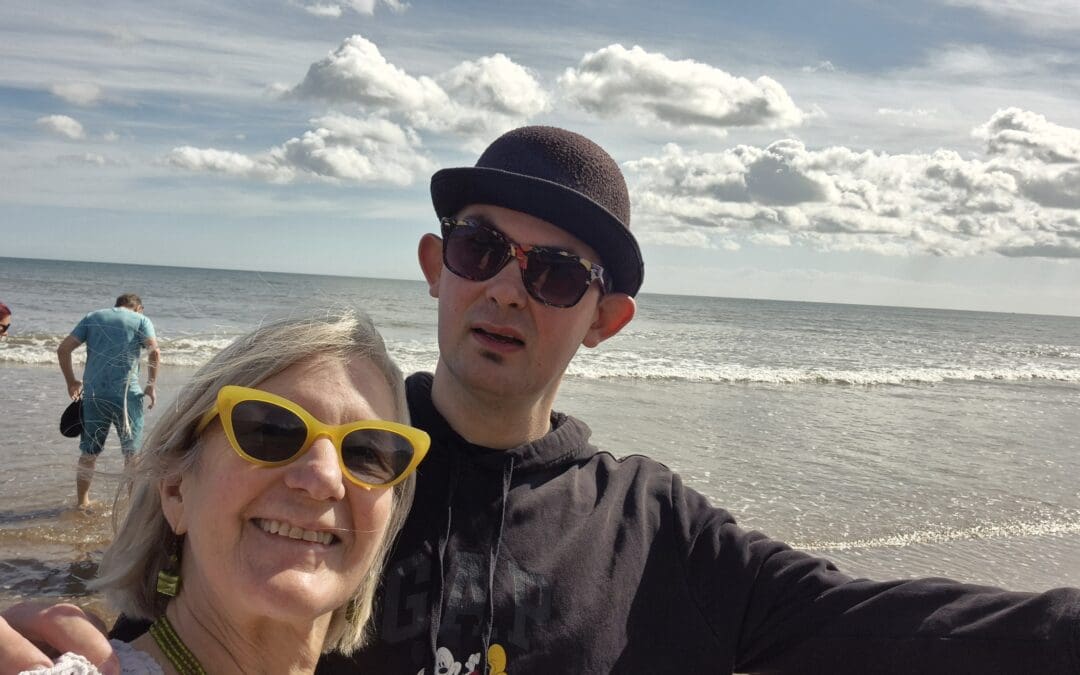
Now at 56 years old, she has a place of her own, a small stone cottage in Camathern where she lives with her dog Eric. From there, she continues to run her charity which is now a community-funded service.
“I do laugh when other organisations claim they want to end homelessness,” she says. “I don’t think the day will ever come. Mental health is getting worse. Addiction. The cost of living. Not everyone plans to become homeless, similar to my situation.”
Her lived experience now shapes how she runs her charity. Where the system fails, she works to fill in the gaps, helping people navigate support services, providing essentials and speaking out about the systemic failures which once failed her.
She now sits in her cosy cottage in Camathern, wooden beams adorning the ceiling and a sleeping dog by her feet, but she is still not finished. Homeless Pembrokeshire is still standing and she still has people to help.
She now uses the life she rebuilt to save others from falling through the same cracks she once did.