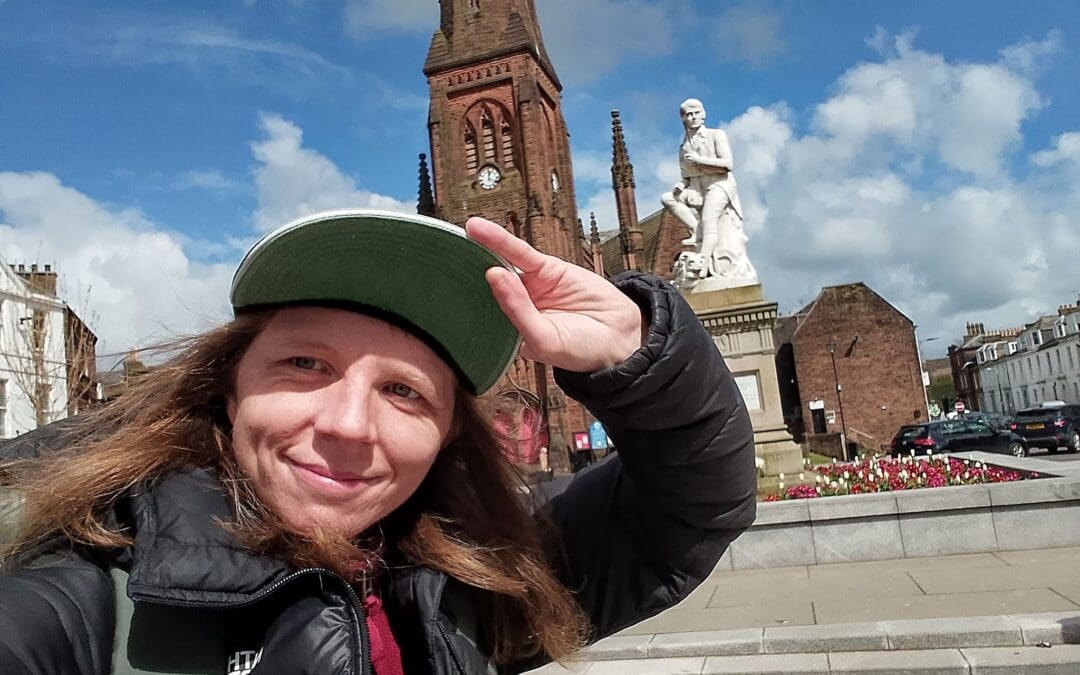
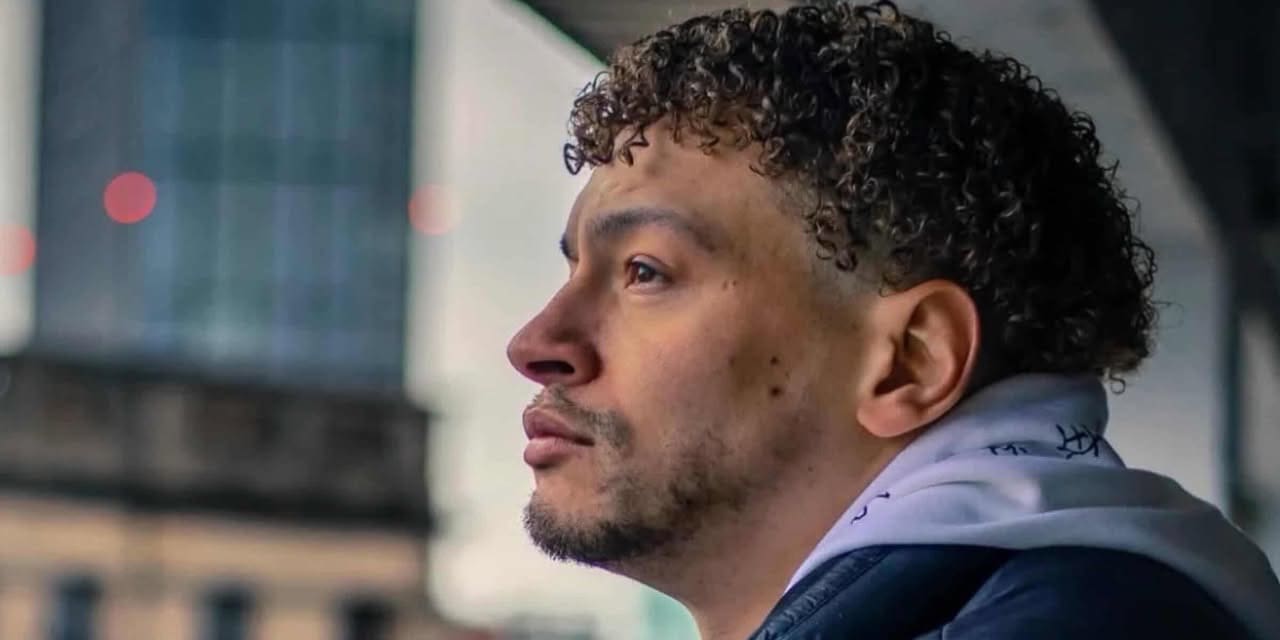
Photo: LT Madz
From going to prison for possession of drugs, to releasing his first single, LT Madz shares how National Prison Radio (NPR) gave him a voice during his darkest times.
When the Covid pandemic hit, the limited freedom inside prisons was reduced to almost nothing. Left alone in isolation, one man turned to the radio, which gave him a new hope to pursue his dreams.
LT Madz, 32, from Manchester, is now a music artist and creative entrepreneur since being released from prison in October 2021. He was arrested for possession of drugs in 2018 and sentenced for 3 years and 10 months.
He answered questions that revealed his personal journey to changing his life around with the help of a radio station that aims to reduce reoffending and support positive rehabilitation.
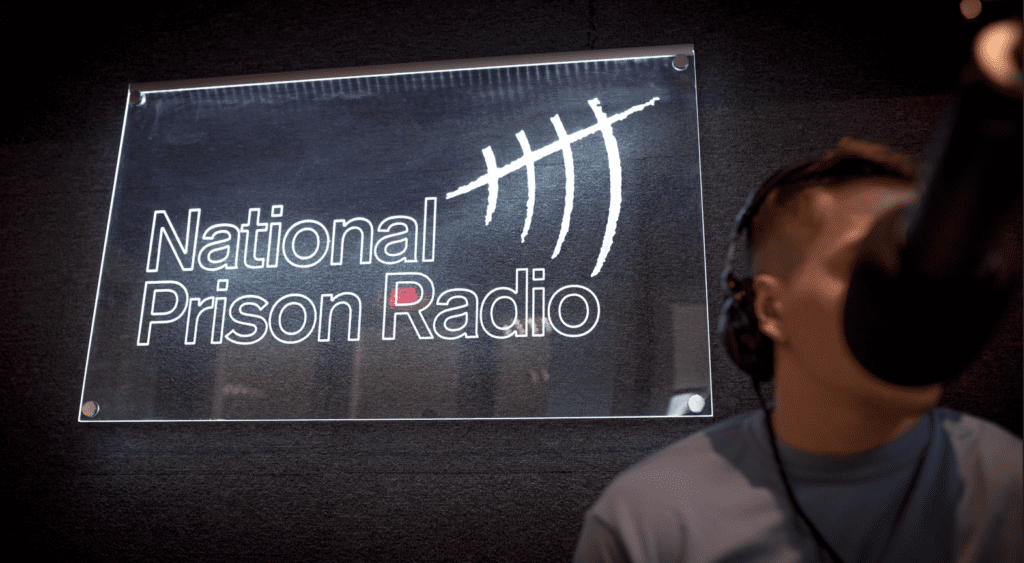
National Prison Radio is the world’s first national radio station for people in prison; they broadcast into prisons across England and Wales for 24 hours every day of the week.
They promote a culture of positive change, and acknowledge the challenges that come with imprisonment.
Q. What was your mindset like during prison?
“When I was outside of prison, I felt like no one could really tell me what to do, and I was in the mind frame of being like, unstoppable. Whereas being in prison at the time and trying to have that same mind frame, it’s like fighting against the system,” he says.
“They try and break you down and get you to conform and follow the rules, and for the majority of it, I did. But on the occasional times, I just chose to still do the things that I shouldn’t have been doing.”
Q. What made you change?
“I was in prison when covid came around, so it went from being out of your cell all day, to 23 and a half hours banged up,” he recounts.
“I feel like that isolated time in myself was a lot for me to just be with myself and see my thoughts, my feelings, question who I am. How do other people see me? What do I want out of this life? Is this the life I want?
“Listening to National Prison Radio was the voice I needed to hear, it was giving me guidance, advice and telling me that there is life after prison. This isn’t it. It doesn’t define who you are, there’s more to life, it’s just about making the right choices, finding the right people, the right support network, and basically, just starting with yourself.”
Q. How did NPR help you?
He says, “I found it as an escapism for me, like, a comfort thing that I used to do when I was free, and then now I can find that freedom in prison as well. One of the stations I listened to was Free Flow, and that was basically a musical show where Lady Unchained, the host, was always encouraging people to write things.
“But she always said, make sure it’s positive, you know, why can’t people write positive things and do this? That led me to the mindset of, right, you can actually do something positive here.”
Q. Why did the Free Flow show stand out to you?
“Lady Unchained plays a segment where it’s basically just instrumentals and everything, so you get to listen to this twice and she encourages people to write what they’ve put, and ring up National Prison Radio through their prison phone,” he says.
“They will listen to it, and if they like it, they play them and broadcast to everyone in other jails, the first time I rang up I was, like, super nervous. I wrote a song about my sister and for me personally, to hear that being played back, it was kind of eye-opening for me because I was like, wow, people are actually interested,” he says.
“It was just like a sign, one of those things where you hear it, and it sparked that ignition to think, do you know what, I’m going to do this now every week and use it in a positive way to help me get back to what I enjoy doing the most.”
Q. How did you feel coming out of prison?
“I was very excited, but then the other side was, like, fear of the unknown of what’s going to happen and especially getting my mindset in the right place and thinking, do you know what, this time around I’m going to do better for me, make a positive life and use that experience,” he says.
“It’s a fresh start, it’s a clean start, and I’m just going to put everything I’ve got into it.”
Q. What was it like performing at Unchained Nights, the event run by Lady Unchained for artists to perform?
“That was the biggest pivotal point of my career, I was waiting for the phone call to come through and ask if I wanted to apply, and literally when the call came through I was just over the moon. To National Prison Radio, Free Flow, Lady Unchained, to just have that moment, it is gratefulness and appreciation that comes through,” he says.
“So being on the stage in the day, I was just looking at the whole crowd, loads of people came, you know we’re all in suits and I was just like, this is the moment that I’ve been waiting for, the opportunity that I’ve been dreaming of.
“I performed a song called Black Roses, it covers mental health, prison experiences, life, so I kind of took that song and made it as an introduction, just to be like, this is who I am, this is why I’m here.”
Q. Do you have any exciting plans in the future?
“I plan on releasing a lot more songs, doing a lot more work with National Prison Radio, I’d like to host Free Flow again, which I have been lucky enough to do since, just to let people know that I was once in your position and I’m living proof and show that you can do better,” he says.
“We have Unchained Nights coming back. I’ve been invited to come and be a part of that but this time not as an artist but more on the production team which I love. So to actually be behind it on the opposite side, I just feel like that’s going to be my next biggest achievement.
“I’ll just take every opportunity I can with both hands.”
Q. Finally, do you have any advice for someone who has recently left prison?
After a moment of reflection, he says, “Believe in yourself, take the opportunities and don’t doubt yourself. Listen to advice, I would say tap into National Prison Radio because the support they offer is amazing.
“With everything good you always have the bad, but it’s how you deal with the bad and get through it. Tomorrow is a new day, you are blessed, you are alive, go out there and get the world like it’s yours for the taking.
“Prison doesn’t define who you are.”
LT Madz’ journey highlights the impact National Prison Radio had on his mindset during, and after prison.
The power of music and lived experience that NPR demonstrates, is what makes them so impactful. The connection people feel gives hope and a new outlook that there is, in fact, life after prison.
Uproute spoke to Evie Dickinson, Head of Fundraising and Communications at the Prison Radio Association, the charity that founded National Prison Radio, to learn more about how the power of radio can inspire positive change behind bars.
Q. Why is radio an important medium to help those incarcerated?
“Radio gives people a voice and a sense of purpose. Prison can strip away identity, but creating content allows people to express themselves, be creative, and be seen as more than their offence,” she says.
“It helps people start to see themselves as producers, presenters and storytellers with something valuable to contribute, which they always do.”
Q. How does it work behind the scenes?
She says, “We have professional radio studios inside HMP Brixton and HMP Styal. Our team works directly with people serving sentences every day, offering one-to-one training in presenting, editing, scripting, production and everything in between.
“Our team is small but super experienced and super passionate. It’s a very unusual environment to work in, so we are an interesting and interested bunch, but we are great at what we do.”
Q. What impacts does the Prison Radio Association have on listeners?
“It gives people hope, practical information and a sense of connection. Our evaluation shows this year after year. Last year, 77% of listeners said National Prison Radio helps them stay positive in prison, 83% said it made them more aware of support services, 68% tried to access support after hearing something on the airwaves, and 83% said it increased their confidence about returning to life in the community,” she says.
“We’d never claim to have a magic wand to end reoffending but what we can say is that everything we produce targets the factors known to reduce it: maintaining family ties, improving wellbeing, building skills, and creating pathways into education and employment.
“For example, shows like Love Bug and our Friends and Family Request Show encourage people to reconnect with loved ones – something strongly linked to reduced reoffending, with prisoners who maintain family ties nearly 40% less likely to reoffend.”
Q: Why is it so important for people with lived experience to be a part of your team, broadcasting to people in prisons?
She says, “Because they really get it. When advice or motivation comes from someone who’s been there, there’s a level of authenticity and trust that’s impossible to replicate otherwise. People are much more likely to engage with messages they can genuinely relate to.
“Everything we do is about creating opportunity, building confidence, reducing reoffending and helping people build brighter futures beyond the barbed wire.
“That means developing skills and self-belief, but also challenging stereotypes and shining an honest light on what really happens behind bars.”
LT Madz’ story is one of many where someone has turned their life around in a positive way despite what his past may look like. Through resilience and a new mindset, his journey proves that change is possible for everyone.
If you want to hear more stories around life after prison, make sure to click the link below!