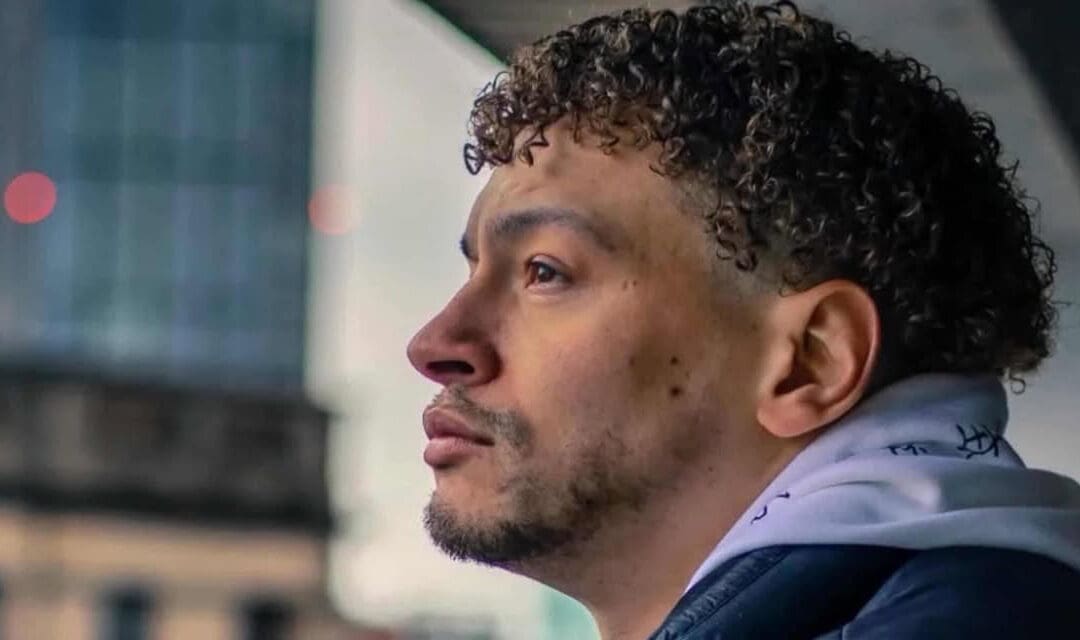
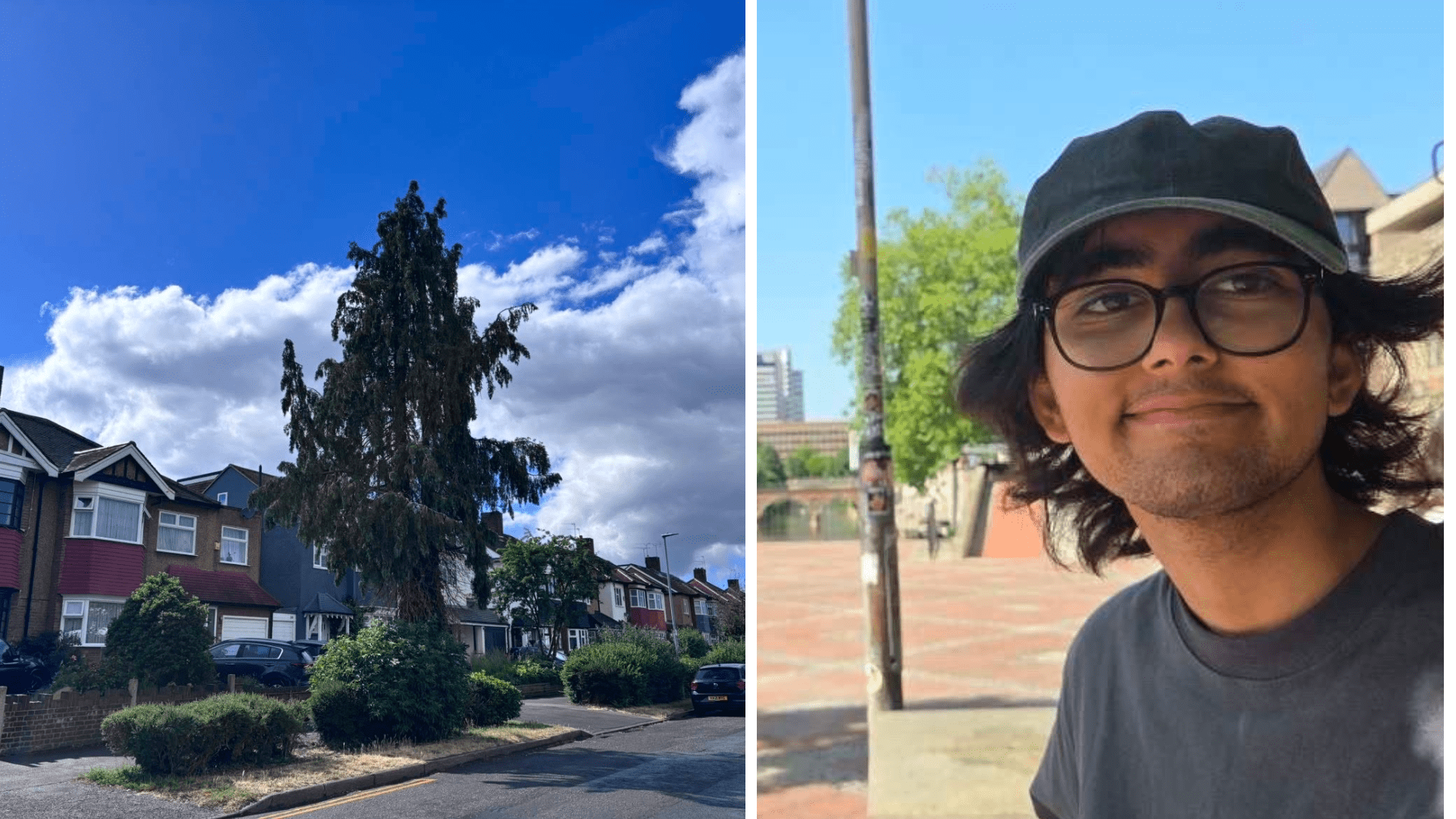
Credit: Joshua Prayag
At the end of his road, there is a tree.
30 metres from his front door. A distance most could cover without thinking. For Joshua Prayag, it was the edge of the world at the age of fifteen. The goal, on a good day, was simple: reach it, turn around, come back. Some days even that was too much.
Last month, he did 20,000 steps.
The heavy miles
Josh had spent seven years navigating a body that didn’t behave like other people’s when he got diagnosed with chronic fatigue syndrome.
Since primary school, he had been in and out of hospital, chasing answers for why he had stomach cramps and constipation. On one visit he recalls drinking liquid barium, a metal solution doctors use to trace the digestive system, which revealed a reflux problem.
This diagnosis put Josh onto a strict diet. No gluten, limited fruit, and a long list of foods he’d eaten without thinking that now had to go.
“All I wanted was a Cornish pasty,” he says.
He soon found out that he had a condition similar to IBS; one that he and his mum shared. He says, “Because my mum had it, it didn’t feel so bad. She helped me through it all.”
Josh’s dad, on the other hand, didn’t exactly trust the doctor’s recommendations. While his son was trying to manage a restrictive diet, he was quietly working against it. Putting gluten in Josh’s food at home and even asking the parents of friends to do the same when Josh visited.
Spots started to appear. Next came days off school, and eventually, a hospital visit. It was there that his dad told him the truth.
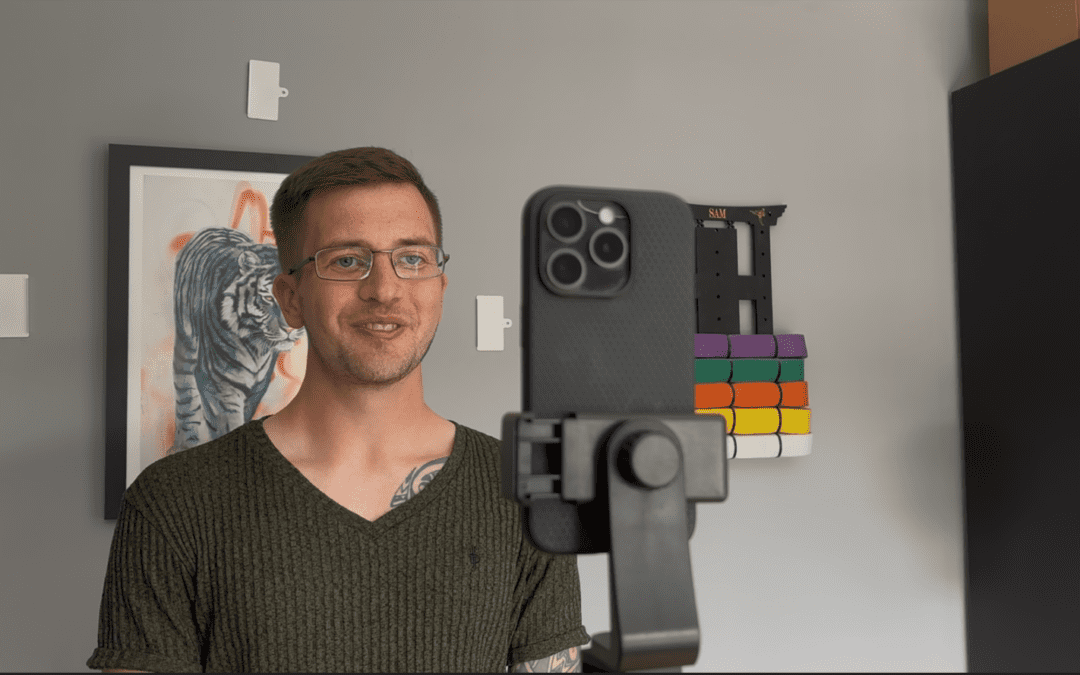
Looking all around in his room, Josh says, “I just went… what?”
That was the reason Josh stopped living with him. Not a row, not a gradual drift. That specific moment, in a hospital, was the reason.
By fifteen, Josh was already missing school when COVID hit. Most teenagers today remember lockdown as long hours spent online, playing video games and doing homework from the kitchen table. Josh thought he’d finally get a break. But he was hit hard.
He contracted what was speculated to be COVID in September 2020, though he never got a positive test, and developed long COVID that his doctors believe became chronic fatigue syndrome.
Josh recalls, “I was on the way to church, I got off the train and realised I couldn’t get there. I had to turn around and go home.” That was the beginning. Over the months that followed, everything got heavier.
“It’s like someone just kept giving me rucksacks to hold,” he says.
“Everything was getting really heavy. My joints felt…” he pauses, reaching for something. “I can’t really find the word for that. My body was shutting down without me wanting to.”
ALSO READ: 5 groundbreaking studies on chronic pain recovery
Even though Josh is getting better physically, the mental pause is still there. Getting the right words is what takes time.
“I felt my head start to slow down. Everything was getting foggy. Just lying in bed all day long. I wouldn’t get out of bed for days, I wouldn’t shower for weeks. I’d just be in bed doing nothing.”
The first steps
Recovery, for Josh, didn’t start with running or going to the gym. Walk to the tree at the end of the road. Turn around. Come back. The tree came first. Then, gradually, his world got a little bigger.
His next destination was the cinema: specifically, to see ‘The Batman’, in March 2022. Comics had been a big part of Josh’s life since childhood.
But during the illness, when reading gave him headaches and he’d put them down for months, coming back to them felt different. He was older and had been through so much. The stories meant much more.
“Superman, the Flash… they’re willing to do whatever it takes. I mean, I wasn’t doing what they were. But I was doing as much as I could just to try and get to their level.”
He made it to the cinema. Then his mum walked into his room with a question: did he think he could do his GCSEs? Josh said no. It was out of the question. He didn’t like exams when he was able-bodied. He couldn’t imagine sitting the exams now, when getting to school on some days was the whole effort. The school offered to let him drop subjects. He still said no.
“When I was ill I was just kind of existing. I wasn’t doing anything. Whereas now I can actually live my life.”
After getting privately tutored in Maths and English, Josh had a surprising change of heart, telling his mum, “Worse comes to worst, I fail. But I should at least try.”
He sat the exams in person. The school granted him rest breaks. He says, “I didn’t like them though, because although I was paused, my brain was still getting tired.” He used them only to go to the toilet and get water.
Results day arrived. Josh had passed. For someone who had spent the better part of two years with getting to school being the day’s main achievement, passing was enough. However, it came at a cost.
He says, “When I did the exams I was knocked out for a little while. Just gone for a few weeks. The mental effort just to actually get into school and then do them was nuts.”
Beyond the tree
Josh is now twenty years old. The tree at the end of the road is no longer the edge of Josh’s world. Last month, he did 20,000 steps in Richmond Park. He’s also back on his bike for the first time since before COVID. He’s always loved his bike, and the years without it mean something steps alone can’t capture.
There are still days where he does nothing. The heaviness comes in spurts now rather than constantly, but it still comes. “There is a limit, but it doesn’t really feel like there’s one,” he says proudly.
He carries a quote with him, one he picked up from a Bond film. M says it in Skyfall. Someone older said it first. “The function of man is to live, not to exist. I shall not waste my days trying to prolong them. I will use my time.”
Josh pauses, then says, “When I was ill I was just kind of existing. I wasn’t doing anything. Whereas now I can actually live my life.”