At a time when loneliness, homelessness and social exclusion are affecting people across the UK, Uproute steps inside St Wilfrid’s Centre to explore how small moments of connection can help people rebuild their lives.
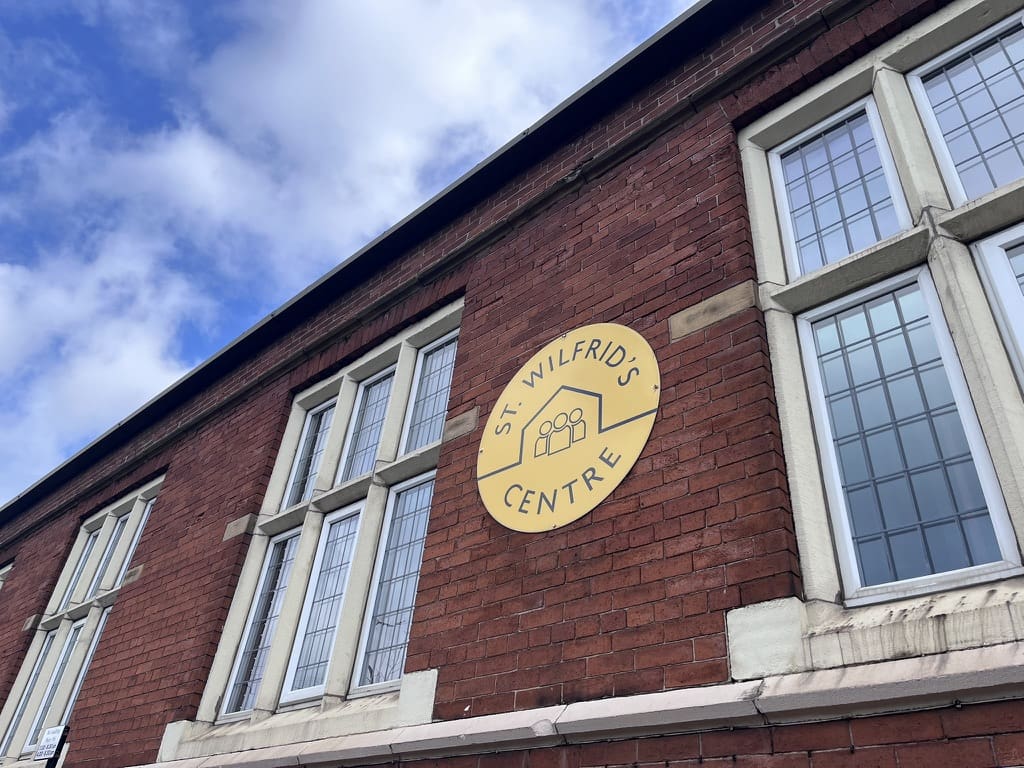
From the outside, St Wilfrid’s Centre looks almost like a fortress. Located on Queen’s Road, Lowfield, its red brick walls sit quietly at Sheffield’s cityscape, giving little away of what happens inside. But step through its door, the atmosphere shifts immediately.
In the main hall, snooker balls crack across the table as people gather around the table talking and laughing. Others sit on nearby sofas chatting, or simply enjoying being around others. In the kitchen, staff hustle to prepare steaming meals. Meanwhile, quieter conversations take place, some routine, others more personal. Inside the red-brick fortress, St Wilfrid’s Centre is a space built on warmth, care, and human connection. For many who come here, that connection is not something they experience elsewhere.
“People’s world often becomes the four walls they’re familiar with,” says Dominic Maloney, Skills for Living Manager at St Wilfrid’s. “People are very good at navigating their necessities and their needs, but to get involved and have a sense of belonging somewhere else… It’s amazing how important that is in people’s lives”
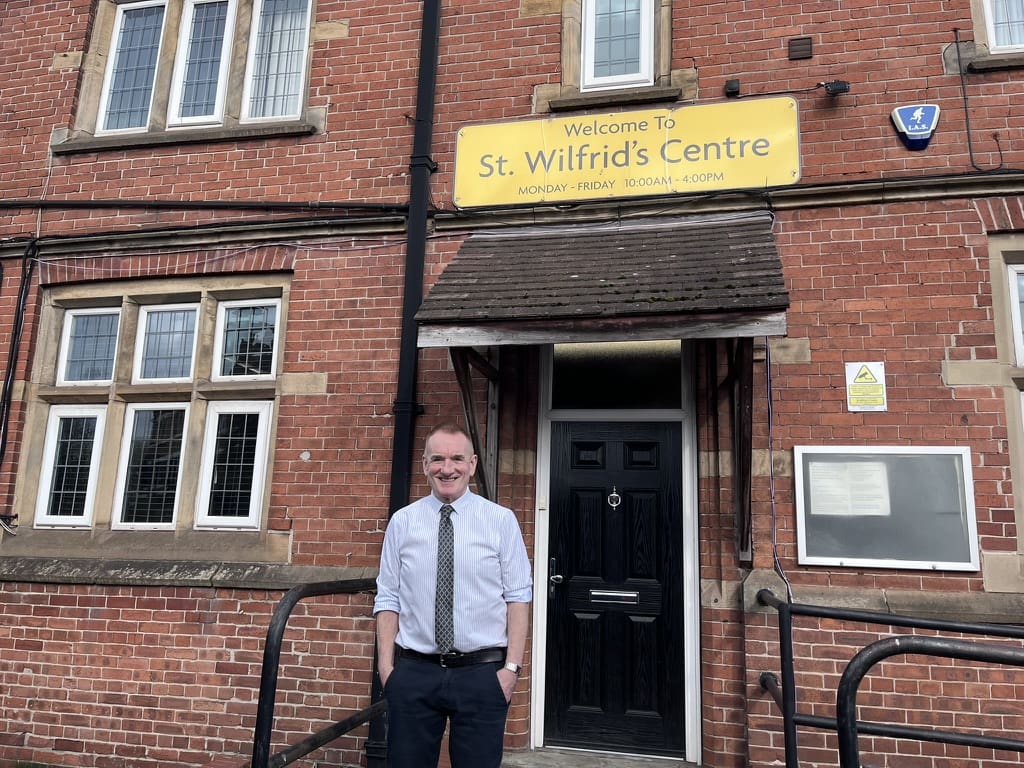
Dominic Maloney, Skills for Living Manager
Founded in 1991, St Wilfrid’s has been part of Sheffield for more than three decades. What began as a safe space for vulnerable people has developed into a day centre supporting people facing homelessness, social exclusion, mental health challenges, addiction and complex life circumstances.
The need for spaces like this reaches far beyond Sheffield. Almost a quarter (23%) of adults reported feeling lonely often, always or some of the time, according to the Office for National Statistics. Meanwhile, official figures recorded 4,793 people sleeping rough in England on a single night in autumn 2025, according to the Ministry of Housing, Communities and Local Government.
St Wilfrid’s is one local response, but there is a national question raised. What happens when people need more than emergency help, when what they lack is not only shelter or food, but connection.
Who walks in?
The clients who come to St Wilfrid’s do not fit into a single category. While homelessness is often associated with the centre, it is only one part of a much wider picture.
Dominic explains that many arrive after long and often difficult journeys. They have been navigating different services, coping on their own, or reaching a point where they can no longer manage alone. The reasons vary. Some are dealing with mental health challenges, others with addiction, financial difficulties, or the breakdown of relationships.
“There isn’t one type of person,” Dominic says. “All of those things may feature in someone’s life… and often they do.”
When someone arrives at the centre, the focus is not on immediate problem-solving, but on listening, understanding what the clients want to say, at their own pace.
“It all starts with listening,” Dominic explains. “They can come in, get warm, feel safe, and just be here.”
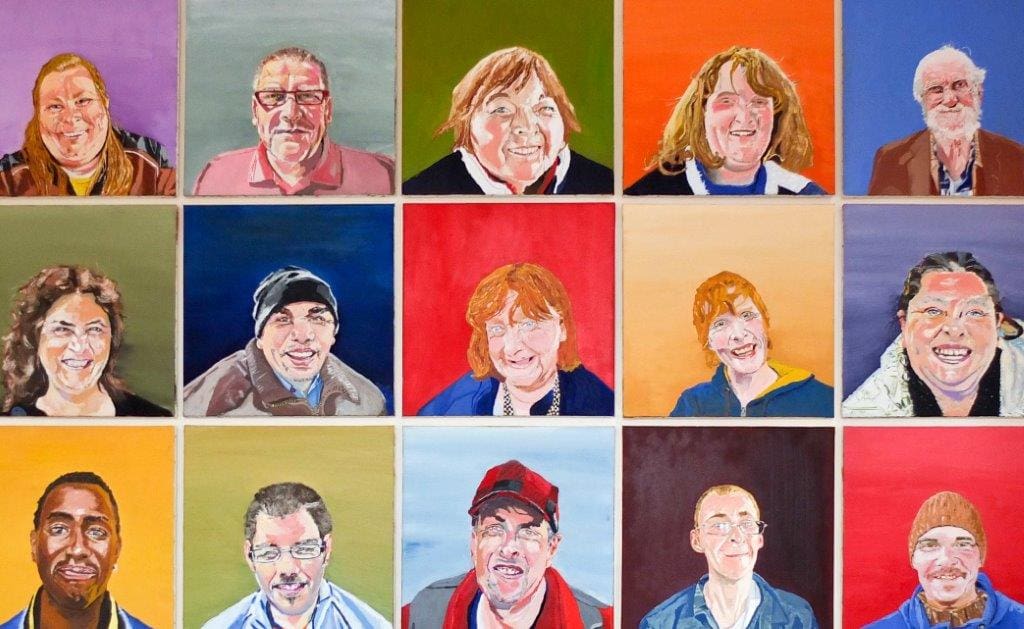
Photo: St Wilfrid’s Centre Facebook
Not about fixing
Many services are built around the idea of solving problems, addressing immediate needs, moving people through systems and measuring progress through outcomes. At its most practical level, St Wilfrid’s provides essential support, including hot meals, clothing, showers, and access to advice. But the centre’s deeper purpose goes way beyond that.
“We’re not here to fix people,” Dominic says. “We are here to journey with you.”
Here, no strict timelines or expectations are placed on those who come through its doors. Instead, the centre offers something more consistent: a place that people can return to, however long their situations take to change.
Alongside essential support, the centre works to foster a sense of community. It organises regular activities, from seasonal celebrations to trips, giving clients opportunities to reconnect with others.
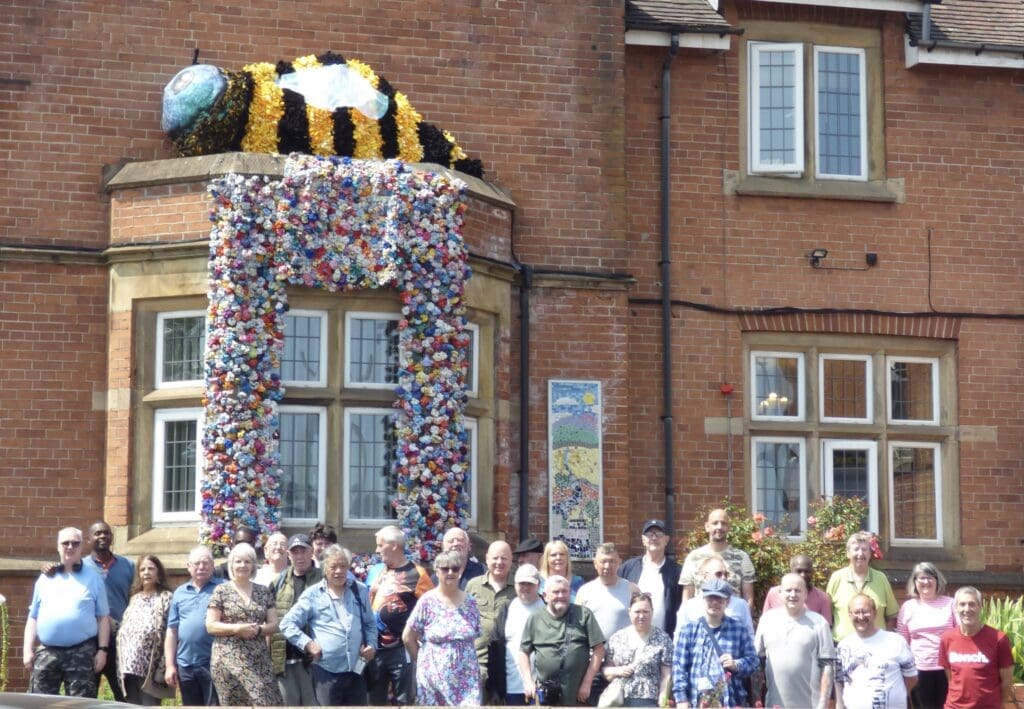
Photo: St Wilfrid’s Centre Facebook
In addition, the “Skills for Living” programme offers structured sessions aimed at helping clients to engage with the community, learn skills, and increase employability.
These activities are not designed as quick solutions.
“We’re trying to help people have a more secure foundation in the communities in which they live,” Dominic says, “as well as having somewhere to come to like St Wilfrid’s, to get support and get involved.”
But he is also clear that the centre is not meant to be an endpoint.
“We’re very mindful that we mustn’t become the ultimate destination,” he says.
“We are the bridge to get from here to there. Wherever ‘there’ is for you.”
Patrick, who works in admin and reception, says the impact of this environment is often seen in small, everyday moments.
“You’ll have people who might not see other people all week,” he says. “Then they come here and maybe just have one conversation with someone. And seeing them smile…even something as small as that makes a massive difference.”
Dominic recalls one client he worked with, who received a certificate after completing an activity at the centre.
“He’d never received anything in his life,” he says. “And when we gave it to him, he said: ‘I am as good as my brothers, aren’t I?’”
“That moment revealed something we never knew he had been carrying and it was very humbling,” he added.
These moments are easy to miss, but they carry weight.
Making something that matters
That philosophy is most apparent in the centre’s workshop.
Inside, the atmosphere shifts slightly. The noise of the main hall fades into the steady rhythm of tools. People stand or sit at benches, some concentrating on their tasks, others working more casually alongside each other.
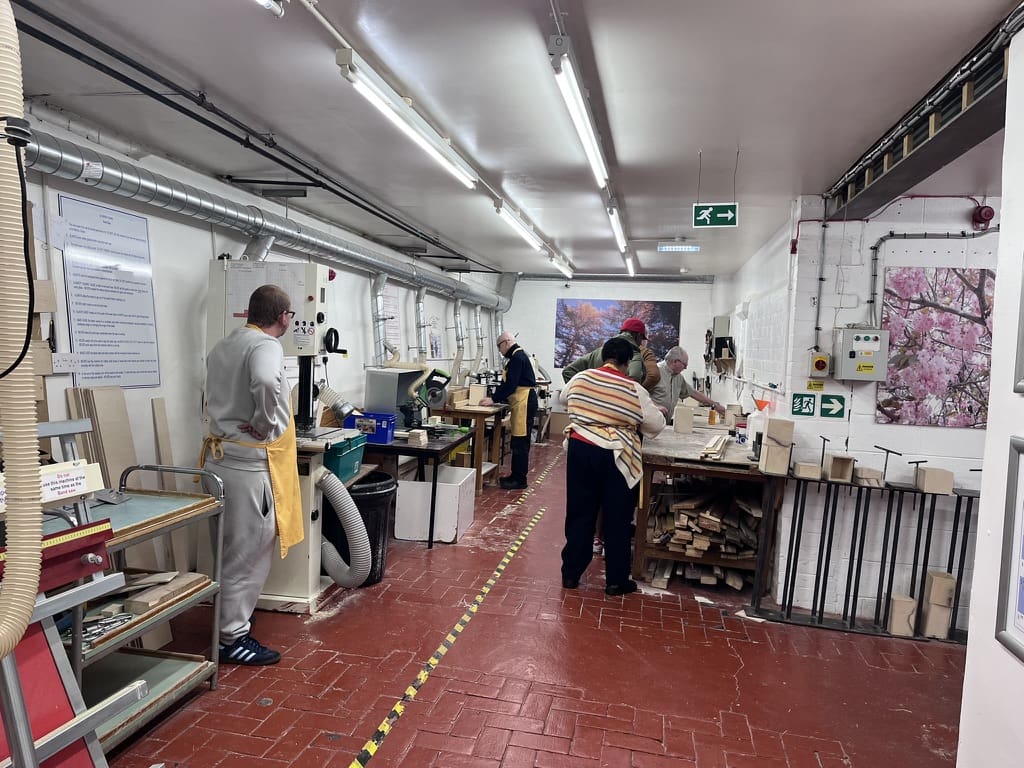
St Wilfrid’s Centre’s Living Skills Workship (Photo: Tse Chun Ming / Uproute)
“This part of the centre is very much like a social enterprise,” Dominic explains. “People attend the workshop regularly and it becomes a staple in their lives.”
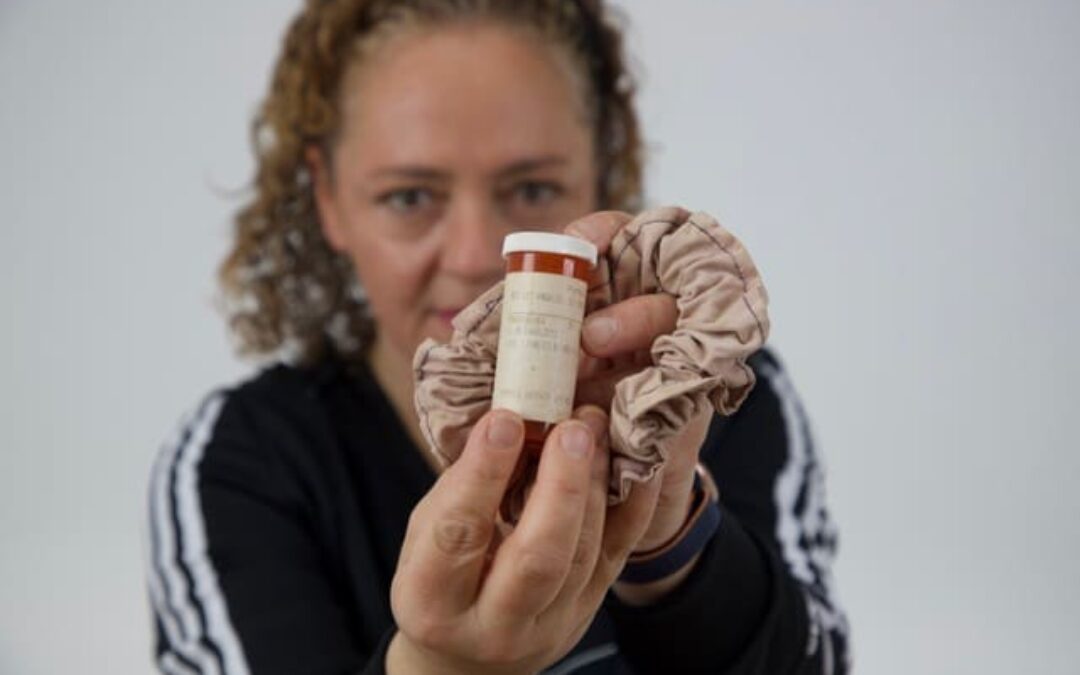
Dominis says the medical boxes produced here are distributed across the country to NHS projects or partner healthcare services. They are issued to people on recovery programmes so they can safely store medication and prevent harm.
“What our clients are doing is saving lives, and it’s meaningful work,” says Dominic.
Rather than being defined by the support they receive, clients here are contributing to something larger than themselves, creating products that protect others, often in situations similar to their own.
The work is structured enough to provide direction, but flexible enough to accommodate different abilities. Some clients focus on measuring and assembling materials, others check quality or assist with finishing.
“Progress looks different for everyone,” Dominic explains. “For some, it’s about learning a skill but for others, it’s simply starting to talk.”
For those who have experienced long periods of isolation, simply being in the room and sharing the space with others can be a significant step.
“For many people it takes every ounce of courage to walk through the door.” Dominic says.
From there, change happens gradually. Trust begins to build through repeated visits, shared activities, and everyday interactions.
“You don’t know until people let you in,” he says. “And that takes time.”
What isn’t visible
At St Wilfrid’s, much of the work is not immediately visible.
While practical support can be provided quickly, understanding someone’s situation takes far longer. For many, the issues they face are not straightforward. They are often layered, built over years, and shaped over years, and are not always immediately shared.
“Initially, people will just tell you what they need,” he explains. “But if you’ve got to go any further than that, then it requires contact and just being together in the same room.”
Yet, outside of the centre, these situations are often reduced to simpler assumptions. Dominic thinks that people may feel they understand issues homelessness or social exclusion. They can empathise or imagine what it might be like, but without direct contact, that understanding often remains distant.
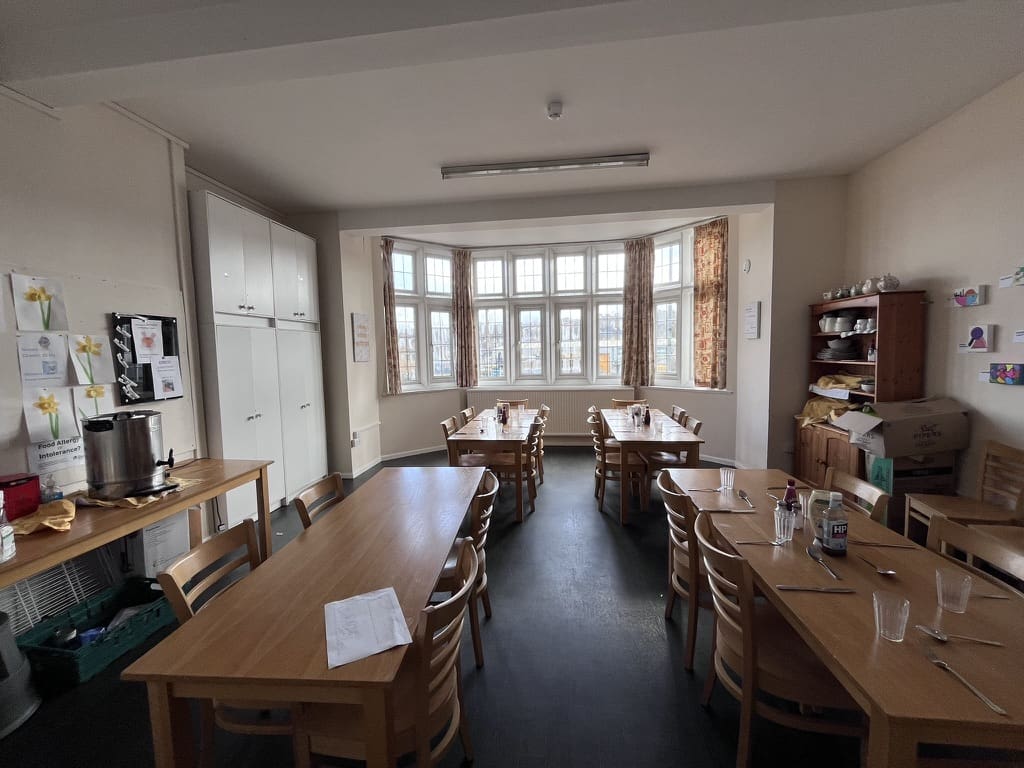
St Wilfrid’s Centre’s community dining area (Photo: Tse Chun Ming / Uproute)
“Even those who support the centre, through donations or volunteering, often don’t fully understand its work until they spend time in the same room as the clients,” Dominic says.
Understanding, according to Dominic, does not come from thinking about the issue, but from being alongside people, and for those who experience that shift, it can be difficult to see things in quite the same way again.
Beyond the Walls
Behind the scenes, this work is sustained by a small team, supported by volunteers, each taking on multiple roles to keep the centre running smoothly. According to Dominic, the centre is now down to only eight staff members, taking care of over 60 clients.
“No two days are the same!” Patrick says. “We’re all doing different things, trying our hardest to keep the centre running and help our clients.”
For Patrick, it is the people, rather than the tasks, that define the work.
“It’s being around the people, getting to know them over a long period of time,” he says. “That’s the best part of this job.”
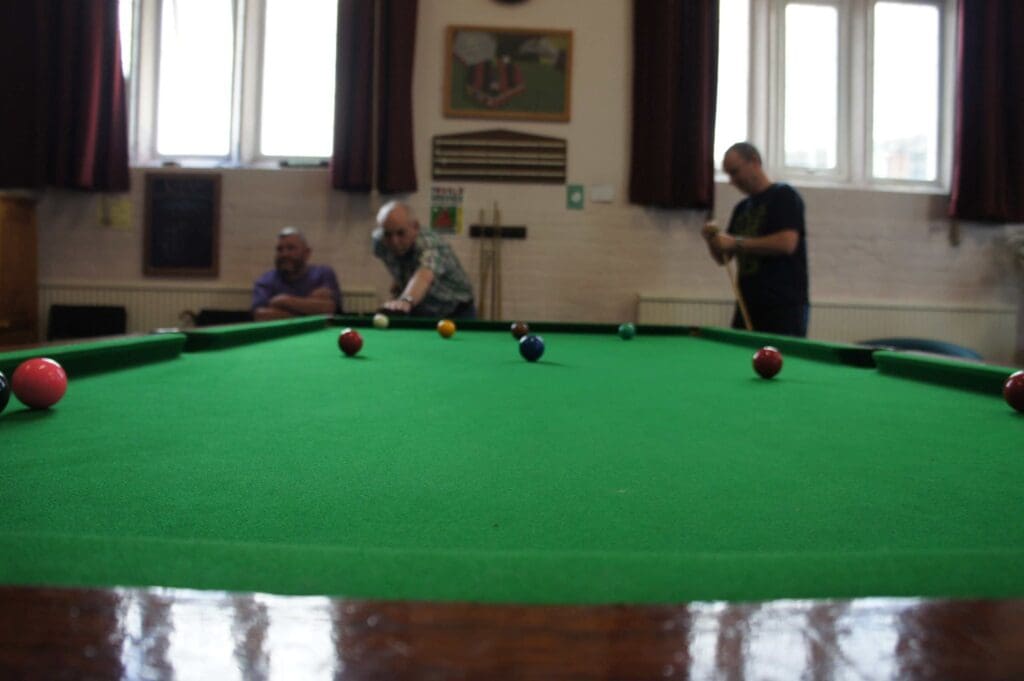
Photo: St WIlfrid’s Centre Facebook
When asked what people could do to help the centre, Dominic keeps his answers simple.
“I think people know that we exist,” Dominic says. “But they don’t really know what we do.”
He encourages people to look for ways in which they could get involved and share.
“It could be skills, it could be resources, it could be time… Whatever you decide it is.” He adds.
For Dominic, the challenge is not just about resources, but awareness. It is about moving beyond assumptions and understanding what spaces like St Wilfrid’s actually represent.
“Instead of always supporting the big, well-known causes, why not consider thinking about this centre over there that actually nobody really knows about?”
From the outside, the red brick walls of St Wilfrid’s still give little away. But inside, it is more than a day centre. It is a space built on time, trust, and a sense of community.
It is not about fixing lives. It is about being there, and perhaps, about more people beginning to look beyond the walls.