Photo: Tim Hamilton
Being colour blind and having Parkinson’s might seem like a barrier to painting, but illustrator Tim Hamilton has proven he will paint no matter the obstacle.
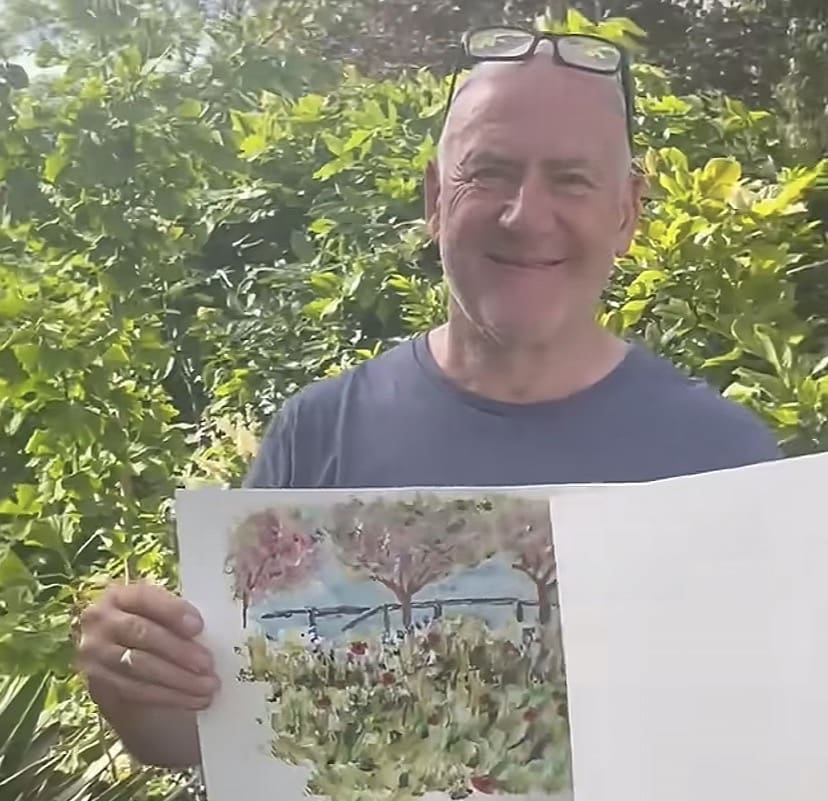
Diagnosed with Parkinson’s 6 years ago, Tim Hamilton, 65, had not picked up a paint brush since his school days. He now paints watercolour scenes wherever his brush takes him whether it be of plants, animals, or people. Tim is also colour blind and so his palette is particularly vibrant.
Discovering art, however, was an act of pure chance while on a weekend away in 2023 with his wife in Brighton. At the time, he had been diagnosed with Parkinson’s for 3 years and says he was struggling to come to terms with it.
He recalls heading into a shop while his wife was looking around some charity shops, he says: “I walked across the road, and there was a tool station type place. And it sold absolutely everything.
“In one small corner, there was a children’s watercolour set, and I just picked it up for no reason at all. I bought it, and that’s the only thing I bought, and the rest is history.”
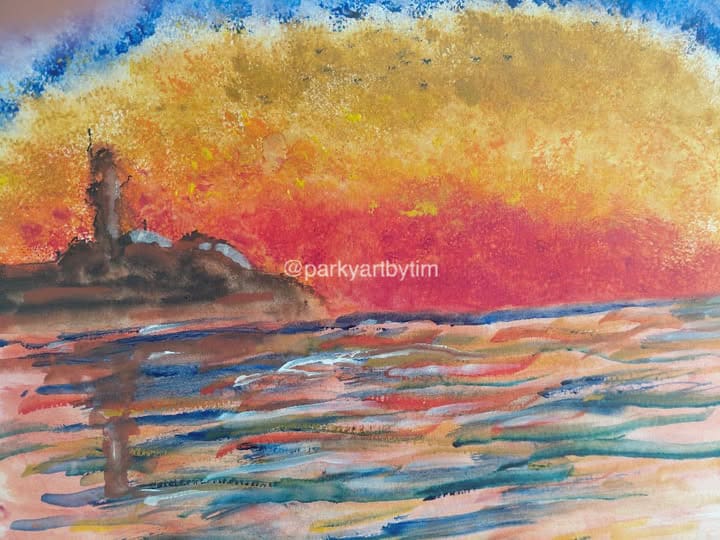
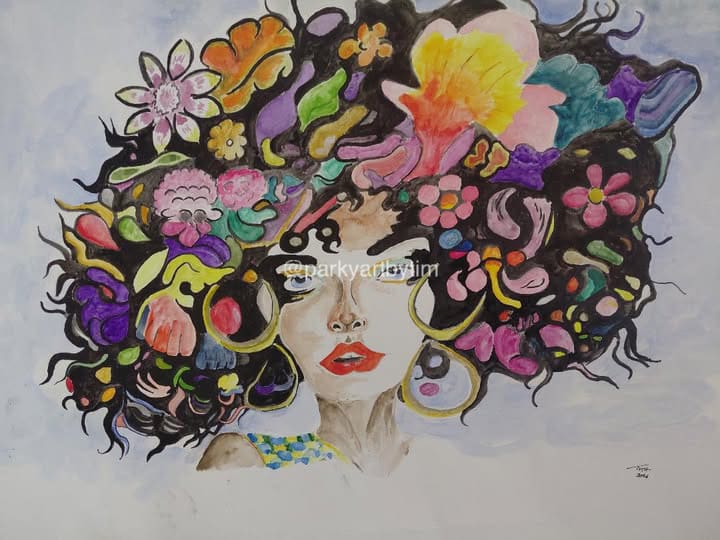
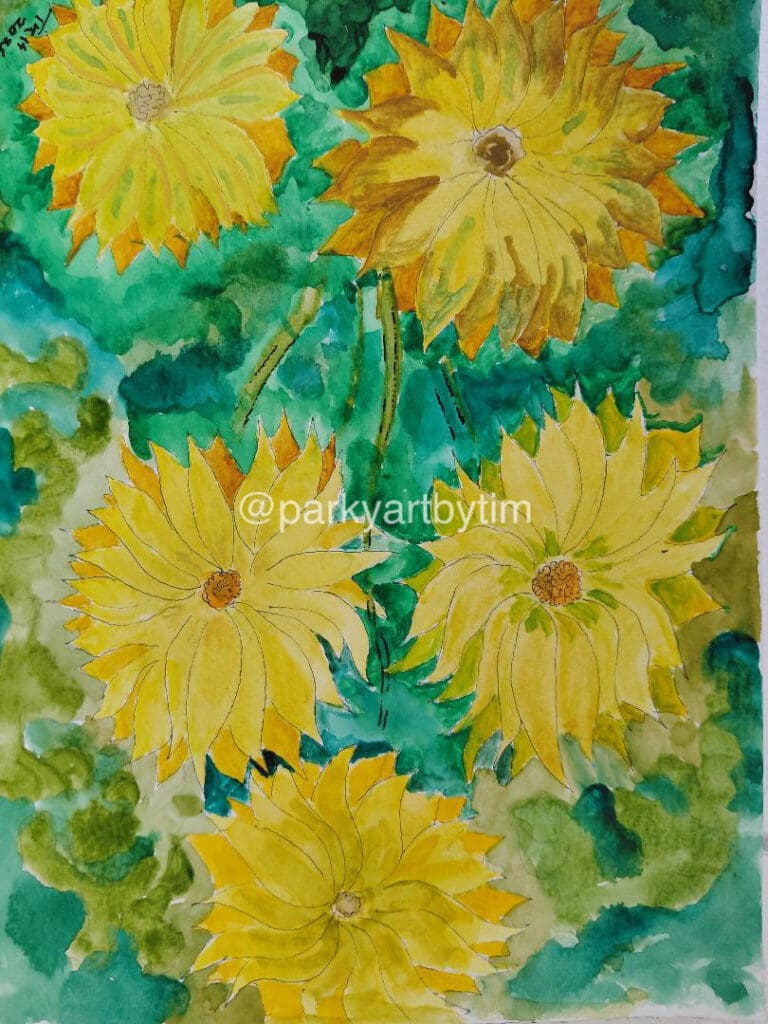
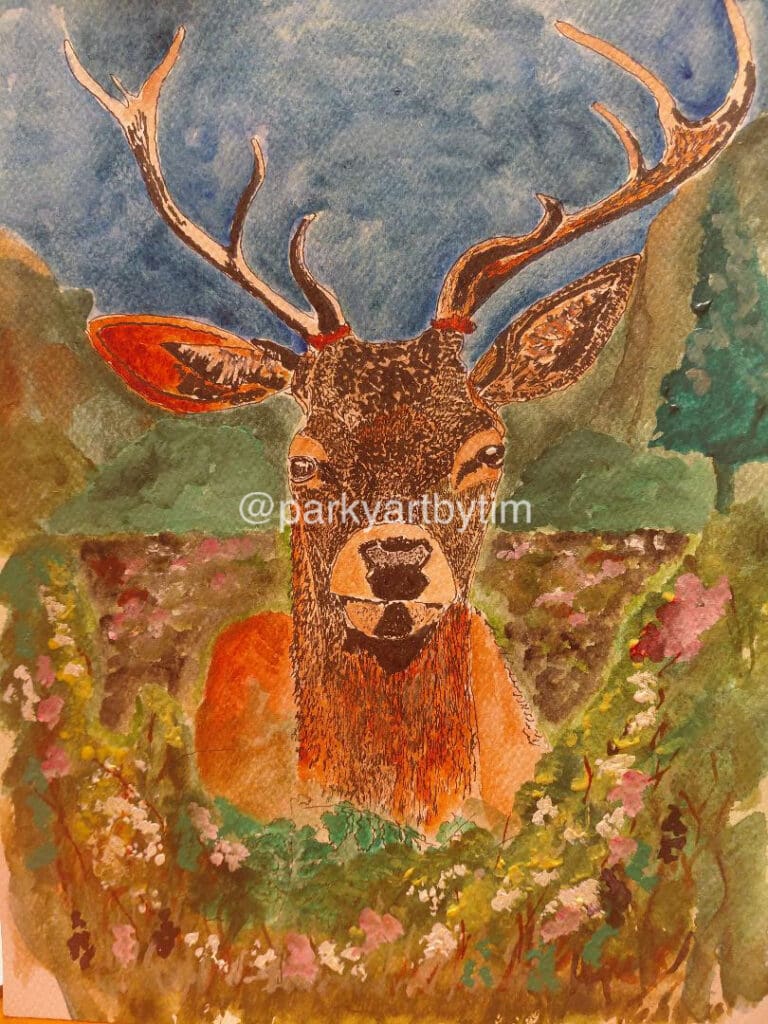
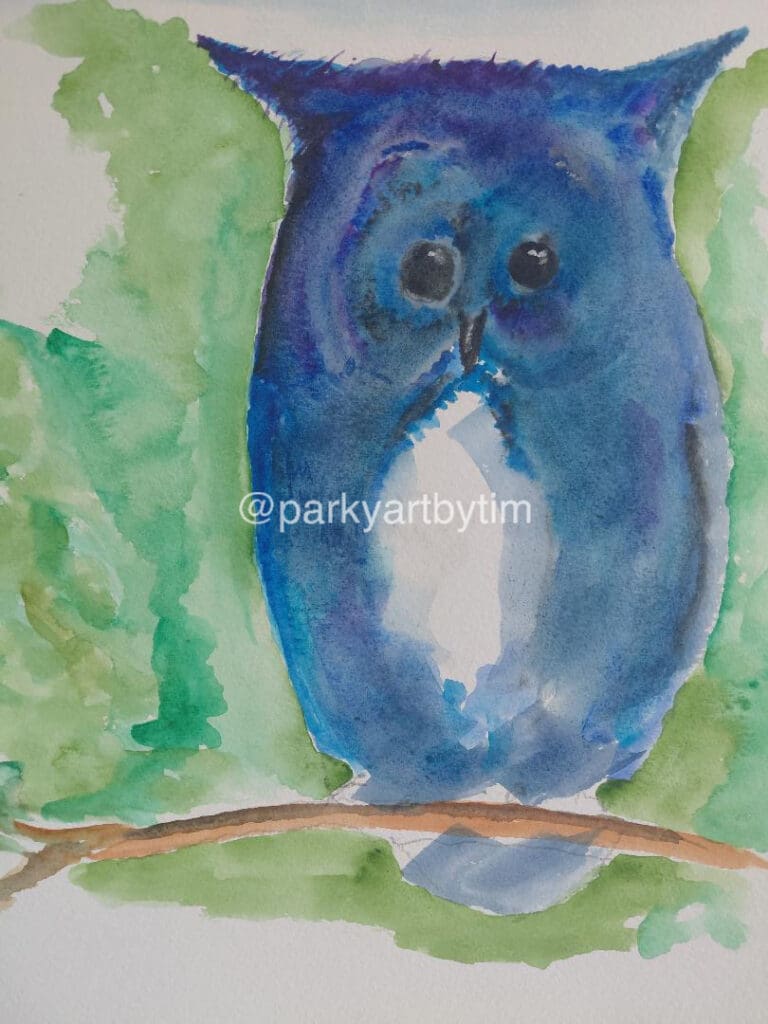
Some examples of Tim’s artwork
Tim aims to paint every single day, usually first thing in the morning. He says the stresses of the day can make his tremor, caused by Parkinson’s, worse so this is the best time for him to get his paint set out.
Tim has two major reasons he paints: “I absolutely love doing it. I also forget that I’ve got Parkinson’s. For the 2 or 3 hours that I paint, there is no Parkinson’s in my head.”
However, it also brings challenges to painting: “The only time it ruins it for me is when I get a spasm. It can ruin a picture completely. The spasm is literally out of the blue. I have no warning that I’ll get it.”
Being colour blind can also make painting difficult, Tim says, “I can’t see the colours I put down.” He adds: “I do feel that I’m missing out on beautiful scenery and colours. Which is probably why my art is very vibrant and very bold, because that’s how I need to see them.”
Sometimes, being colour blind means Tim ends up painting with colours which don’t work for a particular painting. He says: “It is up to me to make it beautiful. And it is only me that could completely muck it up. My colour blindness, that’s the bit which frustrates me and makes me wonder whether or not I will pull it off.”
Tim says he is not a perfectionist, but won’t put his name on a painting unless he is happy with it. But, he often gets his paintings how he wants them and has built a following of people who love his artwork. The audience he has built online continues to grow as he shares his story and his love for painting.
He has also written and illustrated a book, ‘Ernie the cat and the mysterious tail’. The book, inspired by Tim’s own cat Ernie, tells various tales of mischief and friendship. He says: “I genuinely think it’s a lovely story. It’s genuine.”
From painting, illustrating, writing, or gardening, Tim’s creativity refuses to be limited by Parkinson’s or being colour blind. He says: “People see my tremor, and they automatically go into defence mode where they go ‘I’m really sorry’. I don’t want that.
“I want people to be positive, because the worst possible thing with any condition that alters your life. You don’t want negativity. Negativity is there all the time.”
Making people happy inspires Tim to make art, and his desire to make people happy is clear. Years ago, he remembers a lady in her early 90s who lived down the road from him. While in a shop, he said to his son, “We’re going to make someone happy.”
He says: “I gathered a whole bunch of flowers, and my son was looking completely mystified. We drove home and we knocked on the woman’s door. She opened the door, and I presented her with the flowers, and she went, ‘Who are they for?’ and we said ‘For you’.
“The smile on her face was…” Tim drifts off in thought, “That’s what I do with my art now. Try and make people smile.”
Tim thanks his wife for all of her support and says, without her belief, he might not have carried on with his drawing.
There is a harmony between Tim’s passion for making people happy and his passion for creating art. It is clear picking up the watercolour palette in Brighton was a fateful moment for him. He hopes others take the chance on trying something new, he says: “People should go out and try new things, because they will be surprised. Sometimes it works, sometimes it doesn’t. You just gotta give yourself time.”