Photo: Barry Callaghan
The podcast host using lived experience to challenge homelessness stigma one story at a time.
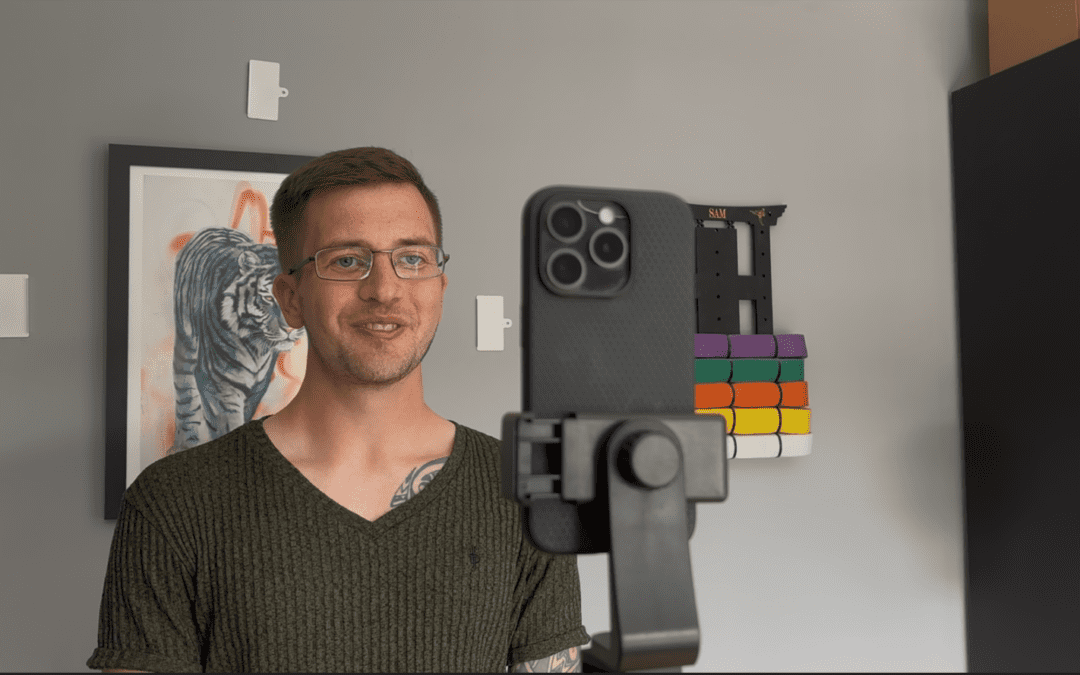
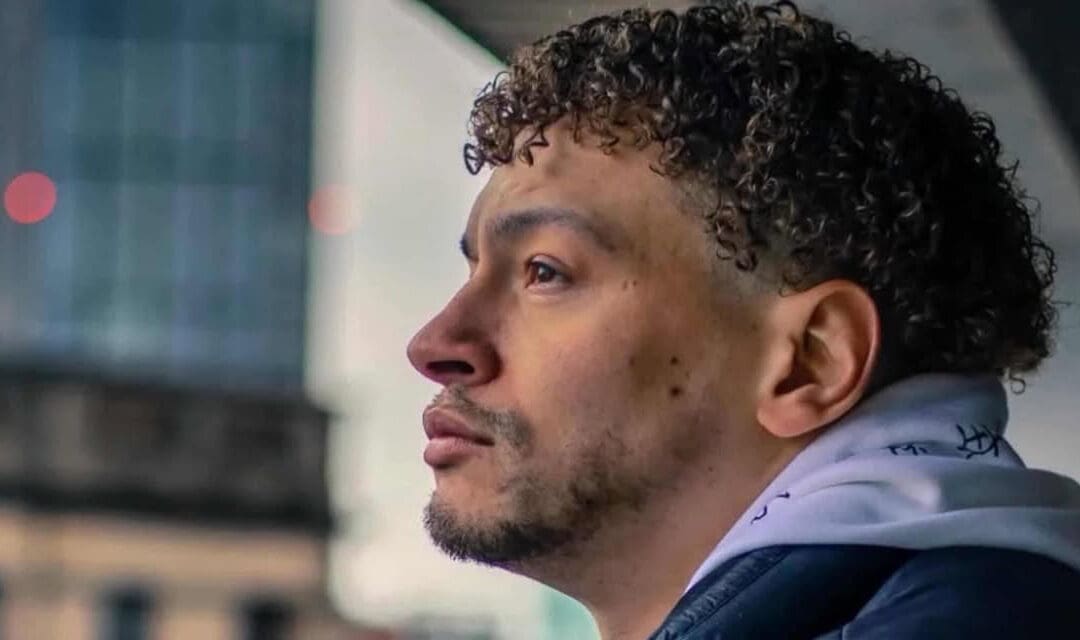
Sitting behind a microphone in a small recording room in King’s Cross, Barry Callaghan listens as another guest shares their experience of homelessness.
The story is different every time. Sometimes it begins with addiction. Sometimes it begins with trauma.
One guest became homeless after being hit by a lorry on a date and spending months recovering in hospital.
But the reason Barry keeps returning to the microphone is always the same.
“We want to share real stories by real people that have experienced homelessness,” he says. “To show the human being behind it.”
A year ago, Barry was facing homelessness himself.
Today, the 43-year-old is co-host of Homeless Not Hopeless, a podcast dedicated to challenging stereotypes and giving people experiencing homelessness a platform to tell their stories in their own words.
For Barry, the mission is simple: “It’s not a homeless person,” he says. “It’s a person who is homeless.” The podcast grew out of an experience Barry never expected to have.
After years working in hospitality while managing ulcerative colitis and later type one diabetes, he found himself caught in the aftermath of the pandemic.
The pub building he had lived above in Kentish Town for a decade was sold to new owners, who refurbished the property and dramatically increased the rent.
Unable to afford the increase and unable to secure another private tenancy while receiving Universal Credit, Barry’s options quickly disappeared.
“The date for the bailiffs to come round was Christmas,” he says. The experience left him exhausted and anxious. He remembers waking in the night convinced someone was trying to break through his door.
While searching for help, he was repeatedly passed between departments and services, often having to explain his situation from the beginning each time. At one point, a housing officer simply told him there was nothing they could do before ending the call: “I remember thinking, what hope have I got now?”
Eventually, Camden Council referred him to an accommodation run by the Single Homeless Project (SHP). The only room available was in a hostel primarily for people recovering from drug and alcohol addiction. Walking through the doors for the first time was daunting. “I didn’t fit in,” he says. “I don’t think I slept properly for the first couple of weeks.”
Yet what Barry expected to be the lowest point of his life became the beginning of something unexpected. The turning point came during a conversation with a support worker. After welcoming him into the hostel, she asked what he wanted to do with his future. Barry hesitated. “I took a deep breath because I thought she would laugh at me,” he says.
For years, despite illness, financial struggles and unstable work, he had never lost his love for creativity. Before his health deteriorated, he had fronted a blues-rock band inspired by Led Zeppelin, Jimi Hendrix and The Doors. He later studied music events management at university before illness forced him to leave the course. Even during the hardest periods of his life, the arts remained in the background.
“That’s where my heart lies,” he says. Instead of dismissing the idea, the support worker encouraged him: “She didn’t laugh at me.”
Twenty minutes later she returned with details of a free drama course available through SHP: “That’s when the lightbulb went off.” Barry enrolled immediately. The course opened doors to theatre groups, creative workshops and new opportunities.
He has since returned to acting, regularly creates art, and recently applied to become both an ambassador and member representative for Cardboard Citizens, a charity that supports people with lived experience of homelessness through theatre.
For the first time in years, he feels like he is building towards something. “I don’t want to procrastinate,” he says. “I want to work hard and make the most of it.” The same motivation helped inspire Homeless Not Hopeless.
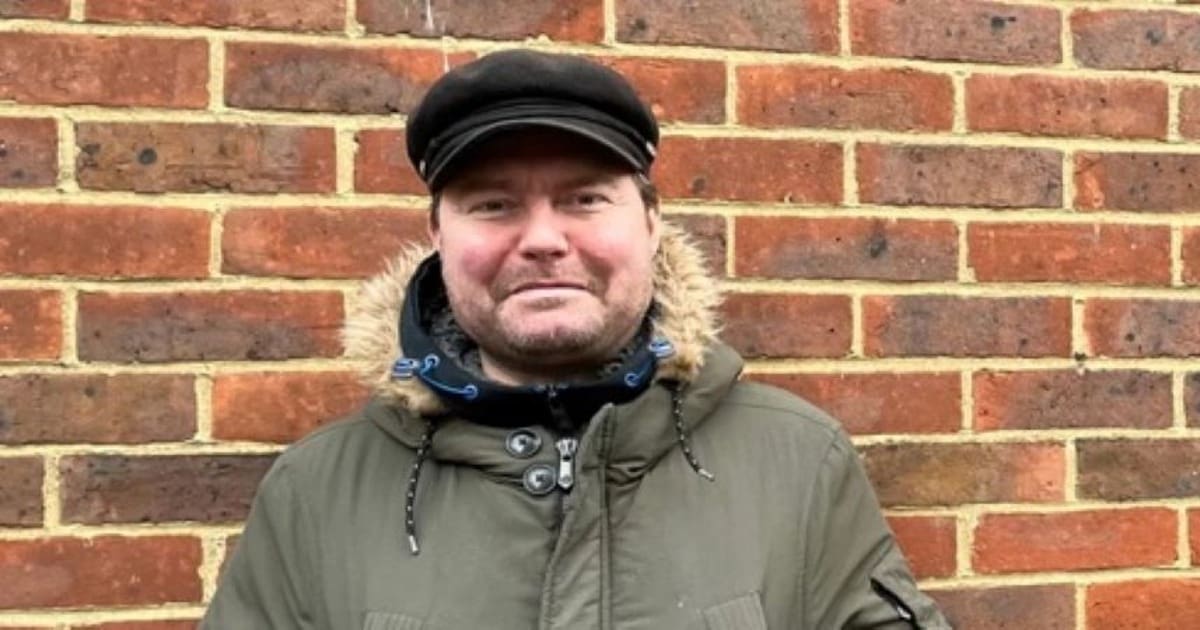
The idea emerged through conversations with fellow residents, including co-host Kevin, who had experienced street homelessness himself. Barry was struck by the stories people carried and how rarely they were heard outside support services. Rather than focusing solely on hardship, the podcast explores how people rebuild their lives.
“What we noticed,” Barry says, “was that although people found it hard to relive the experience, they felt a sense of relief. Almost like they’ve got it off their chest.” Six episodes have now been released, with more in production. The team hopes to eventually move from monthly releases to fortnightly episodes, reaching as many people as possible.
But success isn’t measured in downloads. For Barry, the real achievement is knowing the conversations might help someone else.
“To think that you might actually be helping someone is quite nice,” he says. He pauses before returning to what has become the podcast’s central message. “There is a way out to success. “I want that to be the inspiring part of it.”
Read more similar stories here: