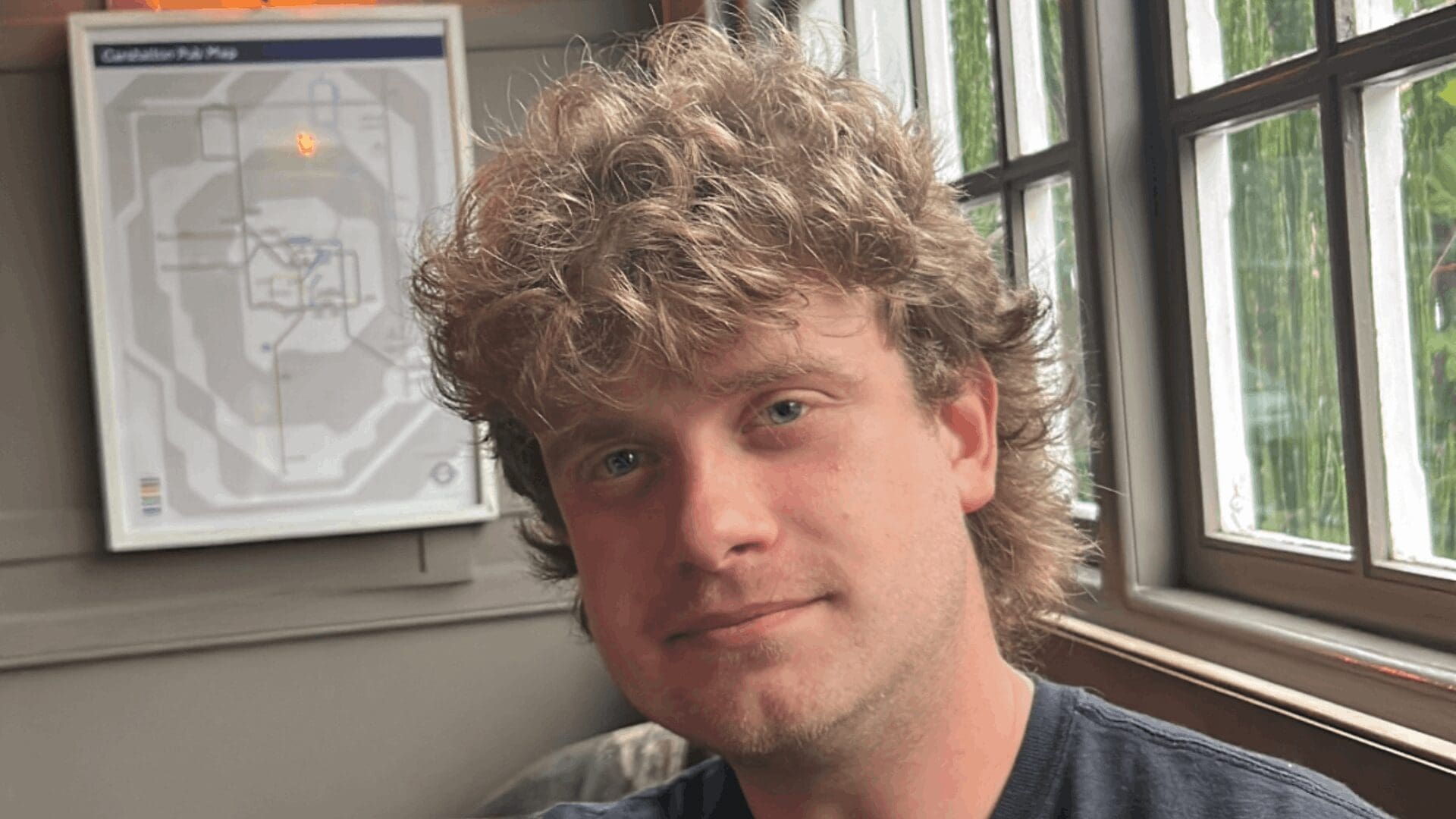
The sound of meat sizzling hits my ears as Sebastian Nowak opens the door.
The whole kitchen in his Sheffield house is meticulously organised, vegetables chopped in one corner, spices being measured next to it while the utensils get neatly laid out for the different stages involved in the making of his favourite meal for dinner.
“I have quite good memories associated with Shepherd’s pie, it was always a special meal my mum would cook when I was younger,” he says, stirring his meat.
“To go from the smell of dung when you’re frying your lamb, to getting the mashed potato on top, putting it in the oven, tasting and smelling how good it is when it comes out. Creating that finished thing is so symbolic of my own journey.”
For Sebastian, the progressive steps of a recipe offer a stark contrast to a life previously challenged by mental health issues. In his second year of studying history at Sheffield University, he had to take medical leave for a year after a string of various mental health problems disrupted his academics. Doing the rounds at the GP, he felt helpless until he was formally diagnosed with ADHD in September 2025.
While pouring milk and butter into a dish of boiled potatoes, he reflects, “I was struggling for a long time, in quite a big way at times and I didn’t know what it was. You get depressed because you feel helpless, not knowing what’s wrong with you. It affects your executive function at a base level. So even very simple stuff like taking care of yourself, taking care of your surroundings, academics, became very difficult. I hated going to the library because other people were able to do stuff and I’m just sitting there wondering what’s wrong with me.”
Since starting medication, the invisible wall between thought and action is slowly crumbling for Sebastian and the one avenue that’s brought him the most fulfillment is cooking. Growing up in London in a Polish household, food always played a big part in his youth and the joy for cooking for others was ingrained in him since he was a child. It’s visible in the way he offers me a spoonful of the minced lamb mix so he can adjust the salt.
“I always liked cooking for other people at university, it was one of the ways I could show appreciation for them. But when it came to cooking for myself, it was more a case of getting something in quickly or getting a takeaway. It wasn’t really a personal thing until I started my meds,” he says.
The process of deciding on a meal, buying the ingredients, setting them up and bringing it all together gave Sebastian more than just a better diet, it allowed him to regain autonomy. Away from the practical benefits, his emotional wellbeing while in the kitchen also took a U-turn and he was able to counteract his usual ADHD thought patterns.
“There’s not too many negative thoughts when I’m cooking,” he says, dumping his mash over the lamb in his beloved dutch oven. “But even if I mess up the cooking, for example, I don’t pay attention and I let it burn a little bit, I can always fix it. I create a finished product that is objectively good to me and I don’t need anyone else’s validation. It makes me happy that I’ve achieved something.”
ALSO READ: 5 reasons why cooking can help you rebuild your life
Chucking his pie into the oven, we settle down with cups of tea in hand, Sebastian’s eyes darting back to his creation occasionally, hardly able to hide his grin. His excitement reaches its peak as the timer goes off and he explains what sharing a meal means for his relationships with people and himself.
Donning his oven gloves, he says, “Food as they say is how you get to someone’s heart. To be able to cook for other people and to be able to do it well and to get positive feedback, it feels really nice. Seeing them happy makes me happy. Going from being pretty dysfunctional to being someone who can contribute, becoming healthier and more functional, I’m becoming a more complete person.”
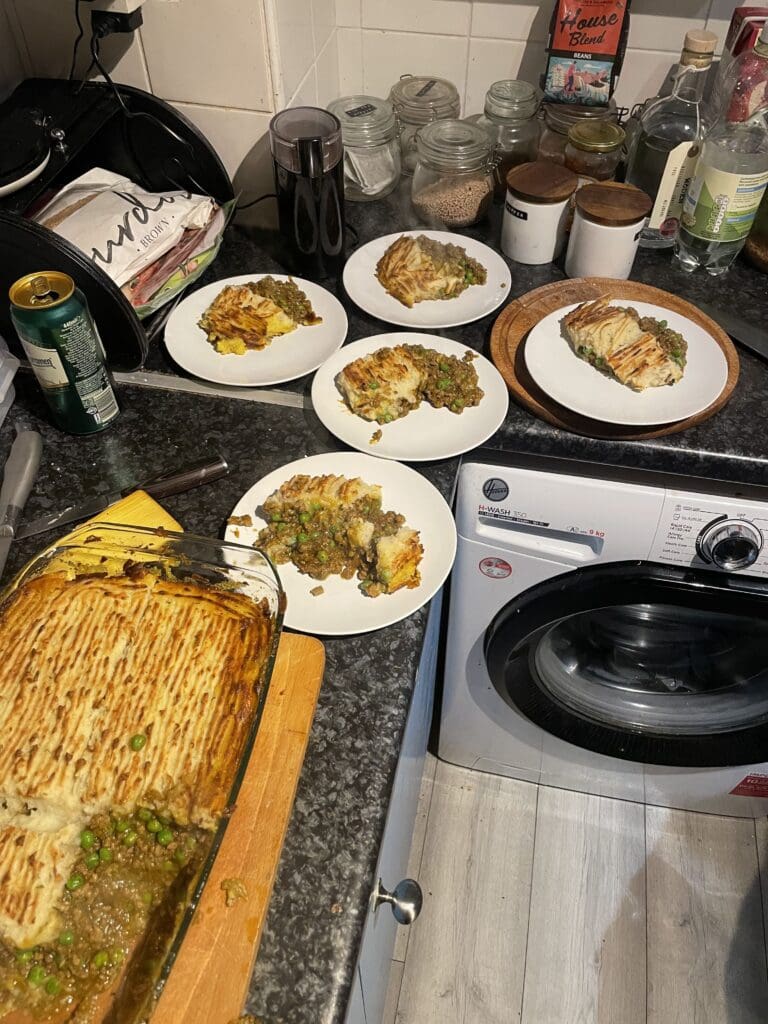
As we plate up, Sebastian remembers his journey from the long nights of struggling with a disorder yet to be diagnosed to the joy in seeing his dinner guests lick the plates clean. For him, cooking brings that much needed sense of accomplishment more than handing in a good essay.
Wiping his mouth after finishing his meal, he says, “I might be really happy with how I’m doing academically but there’s an element of relief that I don’t have to do it anymore. Whereas with cooking, since I’m doing it willingly, it’s more about my self-esteem and how I feel about my own ability to take care of myself and my responsibilities.”