Photo: WikimediaCommons
Some parts of the UK reached 35.1C (95.2F) over the May bank holiday, with thousands flocking to rivers, reservoirs, lakes and the seaside to enjoy the glorious sun.
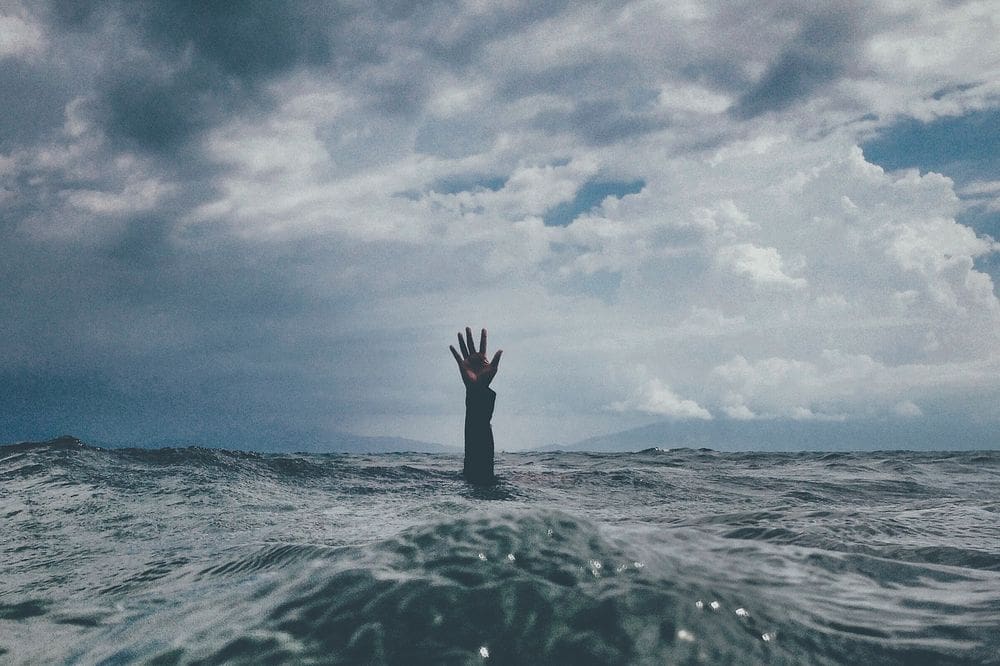
Tragically, over the bank holiday period and the following days, at least 15 people drowned whilst swimming in cold water.
In 2025, there were 202 accidental water-related deaths across the UK. 61% of these accidental deaths occurred in rivers, lakes, canals, reservoirs, quarries and similar inland waters.
Cold water can incapacitate the body, preventing even the strongest of swimmers from moving properly in the water. In addition to this, strong currents and underwater debris can also lead to drowning.
Jo Harrison, Asset Management Director at United Utilities explained: “Tragically, every year when we get a spell of warm weather, there are drownings in waterways across the country and it is heartbreaking to see this loss of life, particularly when many of the victims are so young.
“Reservoirs may look like a tempting place to take a dip, but they have hidden dangers, such as cold temperatures, hidden operational equipment, and steep sides which can make it difficult to get out. They are also often in remote locations which makes rescue difficult when people get into trouble. Our message to young people is clear: please don’t take the risk.”
“Our message to young people is clear: please don’t take the risk.”
Jo Harrison, United Utilities
These recent incidents have prompted renewed efforts to raise awareness of water safety and the hidden dangers of open-water environments.
Nick Ayers, Water Safety Lead at the RNLI is one of the UK’s leading voices on open water swimming, and is stressing the importance of knowing basic survival techniques. He said: “We want everyone to enjoy our coast but to do so safely.
“Most people when struggling in the water will begin to panic and thrash about. We’re urging people to ignore this instinct and remember to float: Tilt your head back, with your ears submerged.
“Relax and try to breathe normally. Move your hands and legs to help you stay afloat if you need to. It’s fine if your legs sink – we all float differently. Once you’ve regained control of your breathing, you can call for help or swim to safety.”