Photo: kravaivan11 on Pixabay
Drug decriminalisation has been massively spoken about recently, especially with elections and political polls, but what does it actually mean and how would it change society and people’s relationship with drugs?
The topic of drug decriminalisation has rapidly become one of, if not the most, divisive issues in the UK’s political scene over the last few years. Opinions vary hugely, with those in support of the proposal arguing it would reduce the taboo around drug use and improve access for those who need treatment or support. Meanwhile, critics argue decriminalising possession and use would worsen the addiction crisis, as the treatment and recovery system in the UK is not strong enough to cope with the pressure it could add.
The debate largely resurfaced due to Zack Polanski’s Green Party showing support for decriminalisation for possession and personal use. They have also shown support for legalisation in the long term and regulating markets. This has led to responses from all sides questioning if this is the right route to take to tackle the rise in drug addiction numbers in the last decade.
It is crucial to understand that drug decriminalisation is not the same as legalisation:
- A decriminalisation policy would mean that if you are caught in possession of or using a small number of drugs, it is no longer treated as a criminal offence or put on your permanent record. Instead, you may face a warning, small penalty, or offered support. A common misconception is that it makes drugs legal. This is not the case. The production, trafficking, and supply of substances remain illegal and subject to criminal penalties.
- A drug legalisation policy, however, would legalise drugs and monitor the production, sale, possession, and use of drugs under a lawful regulated system. Rather than being prohibited, the government would control the market, with rules covering who can buy them, where they can be sold, product quality standards, packaging, taxation, and age restrictions.
The aim for both policy routes is typically to treat drug use as a public health issue rather than as a criminal issue.
Do the activists agree? We spoke to Annemarie Ward to get her perspective on it:
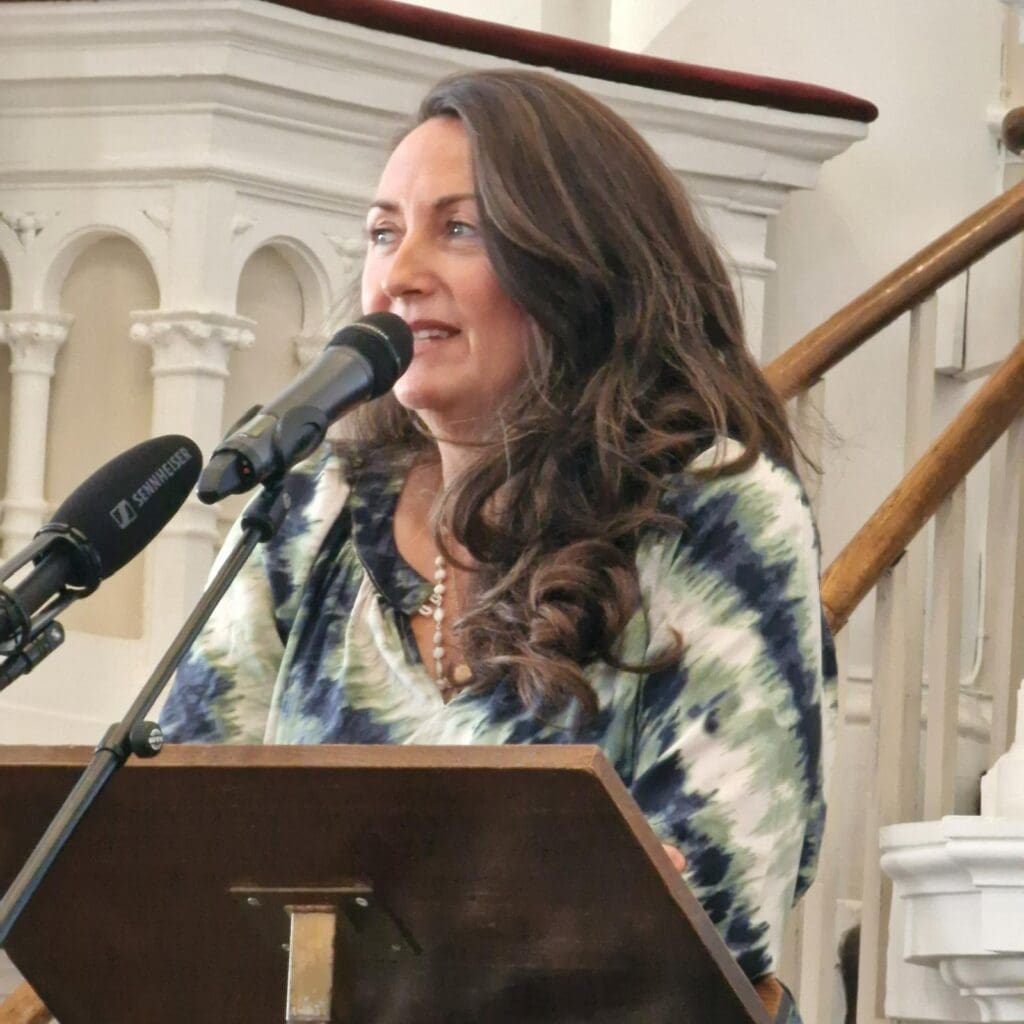
Annemarie Ward, CEO of FAVOR UK (Faces and Voices of Recovery UK), believes the main issue is not whether decriminalisation is the correct method to solve the drug epidemic, but whether the system around recovery is strong enough to support the proposal. Annemarie said: “We support policies that help people get out of addiction and into recovery. That is the test”.
Annemarie, who faced recovery herself, recently celebrating 28 years of abstinence from substances. She has been fighting for addiction support for nearly three decades and is definitive in the opinion that: “Decriminalisation on its own does not meet that test”.
Is Portugal the example to follow?
Portugal is often a country that is referenced as an example of the decriminalisation of drugs being successful. Drug possession was decriminalised 25 years ago in 2001. However, Annemarie argues that the Portuguese’s success was not solely because of this. She said: “Portugal did not succeed because it decriminalised drugs. It succeeded for a time because it built a system around recovery”.
Along with decriminalising possession, the system in Portugal did make significant investments in every area of the recovery sector, from treatment opportunities to rehabilitation and reintegration into society. Without support like this, Annemarie argues Portugal would not be seen as the success it has been. She said: “If decriminalisation is not paired with strong, immediate, accessible recovery pathways, it actually entrenches addiction rather than resolving it.”
Is taboo a real issue?
When asked about whether decriminalisation would decrease the stigma people with addictions face, which could prevent them from feeling able to seek help, Annemarie rejected the idea that the taboo surrounding illicit drug use is the main barrier preventing people from seeking help, believing it could actually do the opposite. She said: “The taboo of the illegal nature of them would be removed. More people would naturally try them. More people would get addicted. They reckon, on average, at any point at least 10% of the population are addicted to something. I would probably say it’s much higher than that. Addiction’s epidemic is in our communities in one form or another”.
Is the system able to support it?
Rather than believing it to be the criminality or taboo nature of drug addiction, Annemarie believed the biggest issue to be the lack of capacity for treatment. She said: “We do not have enough detox beds, we don’t have enough recovery beds, and we do not have consistent rapid access to treatment”.
Should drug addiction be viewed as a criminal or health issue first?
According to Annemarie, it is impossible to separate the matters, and addiction should be viewed as both a health and criminal issue: “Addiction is absolutely a health condition, but drugs also exist within an illegal market, and any serious system would recognise both.”
Will decriminalisation help addicts to seek help from the system?
Annemarie is not confident reducing the risk of legal consequences will encourage people with addictions to seek help. She argues it may instead just remove deterrents for more people: “Do we actually believe that people can recover and rebuild their lives, or are we lowering expectations and settling for managing harm?”
Andre Gomes, editor for TalkingDrugs, gave their perspective on the topic:
Andre Gomes oversees editing for TalkingDrugs, the news organisation for parent company Release. On decriminalisation, Andre said: “The organisation has stood by the policy of decriminalisation for many years because we’re continually seeing the harms that criminalisation of drugs has continued to push forward. We’ve failed in the UK to reduce drug related deaths and to reduce drug related harm. We essentially have a system right now where it is easier for someone to buy illegal substances than it is for them to buy regulated substances”.

Andre added: “Decriminalisation is just one policy change that then involves a lot of other systems that come into play. Since the Dame Carol Black review there’s been a serious investment into the drug and alcohol treatment sources in the UK”. The Dame Carol Black review was an independent investigation commissioned by the UK Government in 2019. The review’s findings led to a complete overhaul of the government’s drug strategy after it found the UK was one of the most affected countries by drugs in Europe.
So, is decriminalisation the answer?
It is impossible to give a definitive answer to such a broad and bold idea. Politicians will always argue over policies, continuing for many years to come, with drug use always being a point of controversy. However, all research and opinions agree on one thing. Whether the law changes or not, the effectiveness of the UK’s addiction treatment system, from rehab to recovery programs, is what is most essential to reducing harm and supporting recovery. Without having the funding and foundations to support it, any policy is destined to fail.