

Photo: Fernando via Unsplash
What is Seasonal Affective Disorder?
Seasonal Affective Disorder (SAD) is a type of depression that follows a seasonal pattern, often starting in autumn or winter and ending in spring. In rarer cases, the depression can start in spring, lasting throughout summer until autumn.
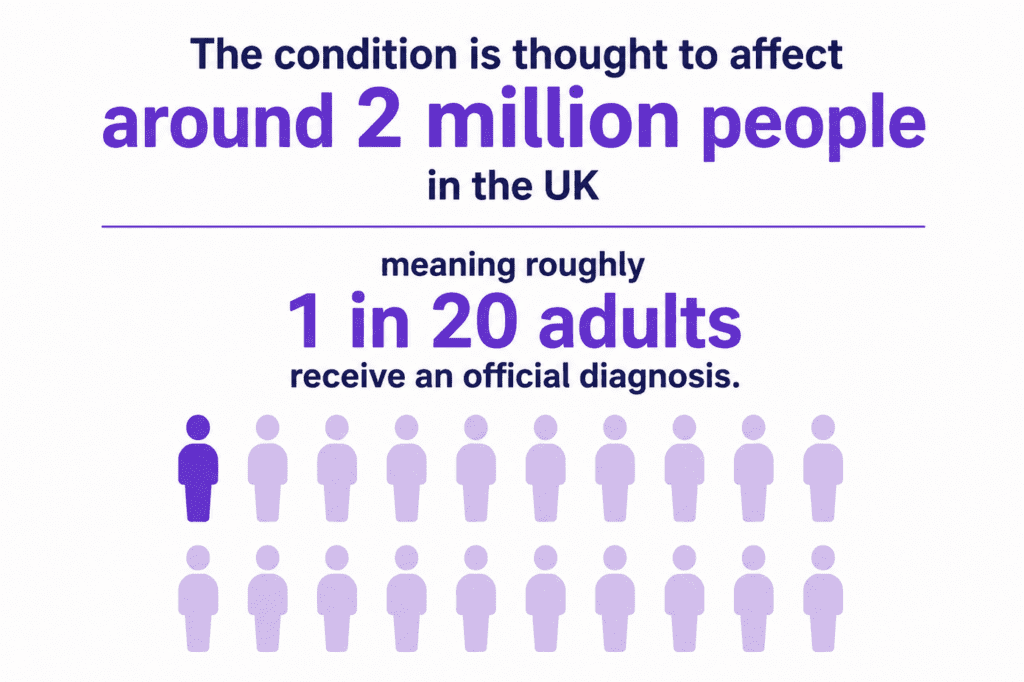
The condition is thought to affect around 2 million people in the UK, meaning roughly 1 in 20 adults receive an official diagnosis.
What are the symptoms of SAD?
Symptoms often get progressively worse as the season progresses. According to the NHS website, common symptoms can include:
low moods
lack of usual interests
feeling guilty, hopeless or worthless
feeling restless and irritable
difficulty concentrating
changes in eating habits
tiredness
suicidal thoughts
What causes SAD?
While the exact causes of Seasonal Affective Disorder are still relatively unknown, researchers have found several factors which they think may contribute, including:
Reduced daylight exposure: Shorter days during the winter months can disrupt the body’s circadian rhythms, leading to disrupted sleep patterns.
Changes in serotonin levels: Serotonin is a neurotransmitter which regulates moods. Lower serotonin levels due to reduced sunlight may contribute to depressive mood swings.
Melatonin imbalance: Darkness stimulates melatonin production, which induces sleep and inhibits alertness. Increased melatonin production might be one of the causes behind fatigue and lethargy.
Vitamin D deficiency: Vitamin D is the sunlight vitamin, and the reduced sunlight exposure during winter may lead to mood swings.

How to overcome SAD?
According to Dr Dorothy Sit, professor and psychiatrist at Northwestern University, light box therapy can help. Light boxes work by emitting light, intended to replace natural sunlight. Typically, a person would sit in front of a light box for 30 minutes.
Dr Sit explained to NPR: “A lot of research has shown that using bright light therapy in the morning can be extremely helpful to reverse some of the symptoms of seasonal depression. If people use a light box every day they can experience an enduring effect throughout the fall and winter.”
Cognitive Behavioural Therapy can also help combat SAD by helping individuals to identify negative thoughts, which can then be tackled in a constructive way.
Anti-depressants can also be used to help aid mood regulation.
Doctors have also advised patients against drinking alcohol and consuming drugs, as well as discouraging excessive screen time.
Anyone struggling with SAD can find help here.
READ MORE: HOW HEAT AFFECTS MENTAL HEALTH AND HOW TO MANAGE IT