Here are 5 figures in the UK who have managed to transform their lives in the face of unimaginable odds.
Victoria Abbott-Fleming
Imagine experiencing excruciating pain and not being able to figure out where it came from, what it is, and how long it will last. This was the experience of Burning Nights CEO Victoria Abbott-Fleming. Burning Nights is a support service for those who suffer from CRPS or Complex Regional Pain Syndrome.
Victoria has had both of her legs amputated due to the condition and experiences excruciating pain on a daily basis. She describes the sensation of the pain as if her leg has been put into an acid bath. Victoria started Burning Nights with the sole intention of preventing others going through what she and her husband went through.
Burning Nights managed to receive charitable status on the 13th of April 2016, since then the Charity has been awarded the ‘Charity of the Year’ Award several years in a row and ‘Best Team Performance in 2019’ from the WEGO health awards. The charity runs a help line, offers a befriending service, and provides counselling for patients.
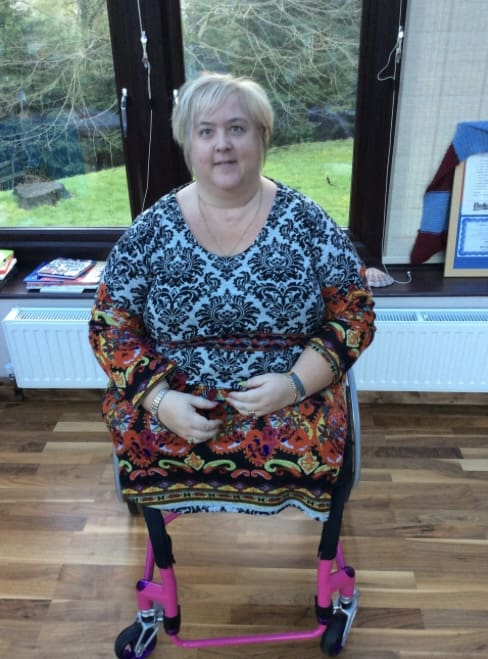
Photo: Burning Nights Charity
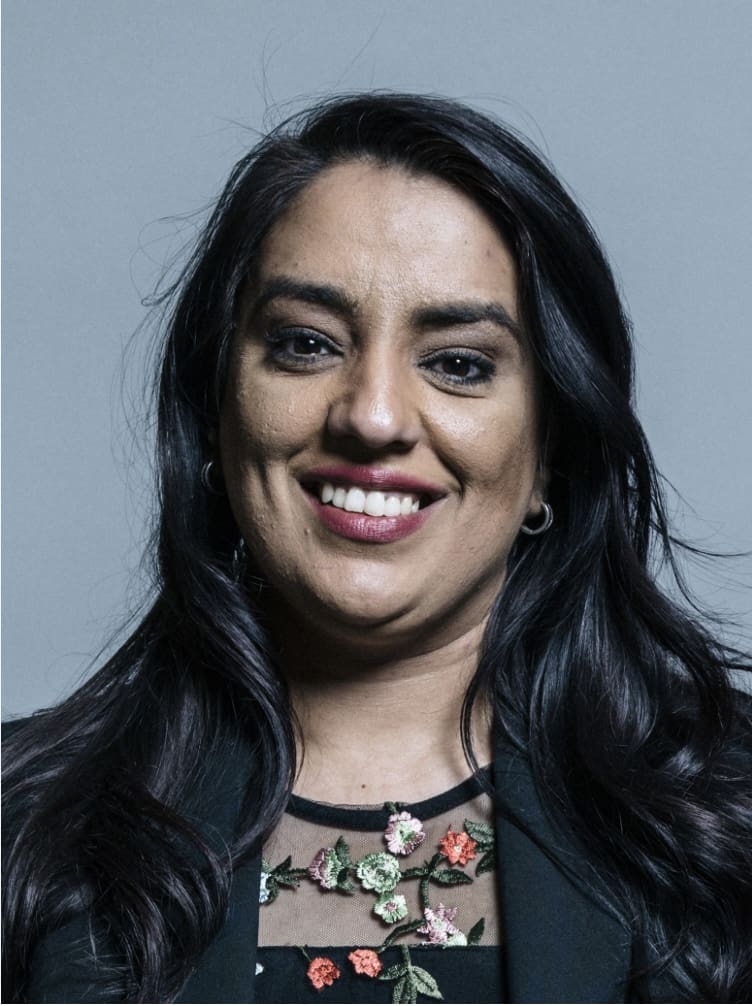
Naz Shah
When Naz Shah was born, her father was so disappointed that he wouldn’t look at her for over a year. When she was just 5, she saw him drag her mother by her hair and hit her. At 12, she was sent to Pakistan by her mother.
Her mother intended for her to escape the abusive situation that was occurring with her father. At 15, she was coerced into a forced marriage. At 18, her mother was taken into questioning for the murder of Naz’s father. A year later she was convicted.
Naz Shah has spoken openly about the extreme amount of trauma that she has had to endure throughout her life. She has written a book about her eerie experiences of childhood and how she managed to get through those horrific years. She has not just clung on and endured, however, she also happens to be an MP in parliament for Bradford West.
She has served four consecutive terms, and still holds her position to this day. Naz also faced intense hardships in her adult life, when in 2010, she was injured in a hit and run collision. This caused her severe nerve damage which requires frequent hospitalisation.
Despite these monumental and life-altering events, Shah still finds purpose in supporting her constituents in Bradford West.
Freedom Zampaladus
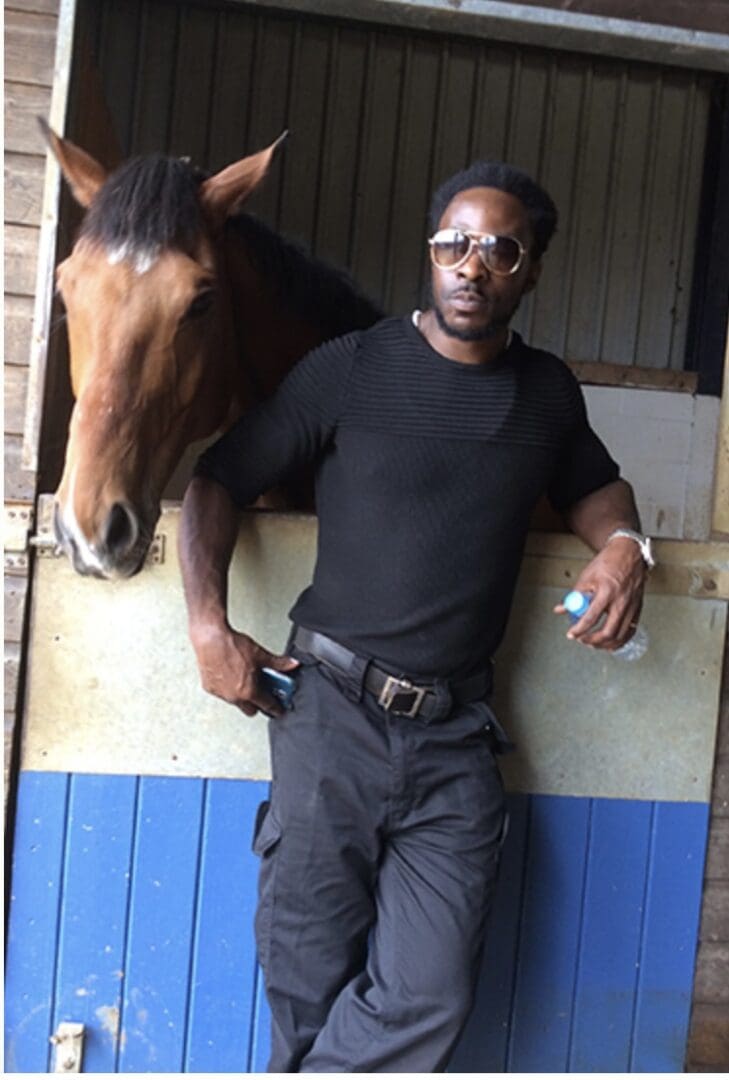
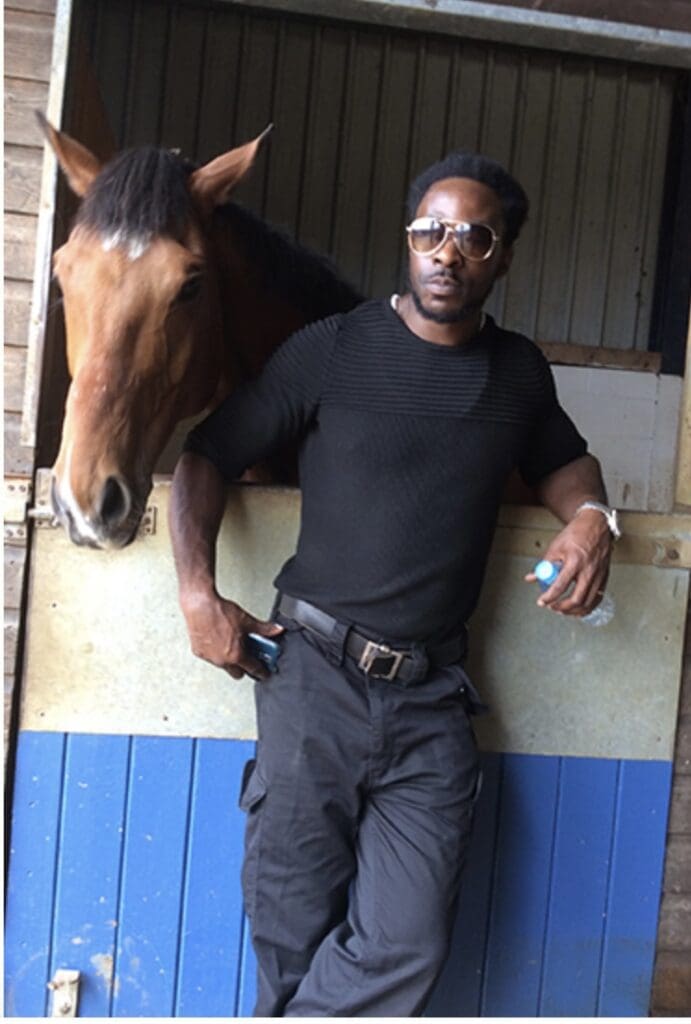
Freedom Zampaladus’s life was saved by horses. Originally from Leicester, Freedom moved to Antigua as a teenager. In time, he was groomed into the family business of drug dealing.
His uncle was the most prominent marijuana dealer on the island. Simultaneously, Zampaladus was also developing a keen interest in equestrianism and was regularly working with racehorses. He had to make the choice between two worlds and two futures. Freedom’s passion led him to pursue qualifications in equal-care and steered him away from drug dealing.
This progress would be undone by a deep sense of frustration and alienation that he felt in the world of Equestrianism. Freedom felt as if there wasn’t any real representation or place for him in the industry, and he fell back into drug dealing.
Freedom managed to make a second escape from a life of crime and in 2017 opened the Urban Equestrian Academy. Equestrian is a sport that is often unknown or inaccessible to those in major cities. The Academy’s overarching vision is to change the perception of equestrian as a sport for only the wealthy.
Besides Equestrian, the academy aims to offer other ways of supporting young people, with ambitions to branch out into education.
Dr Aggrey Burke
In 1981, a fire broke out in New Cross killing 13 people. The fire was believed to be a racially motivated arsonist attack. All the victims were black young adults.
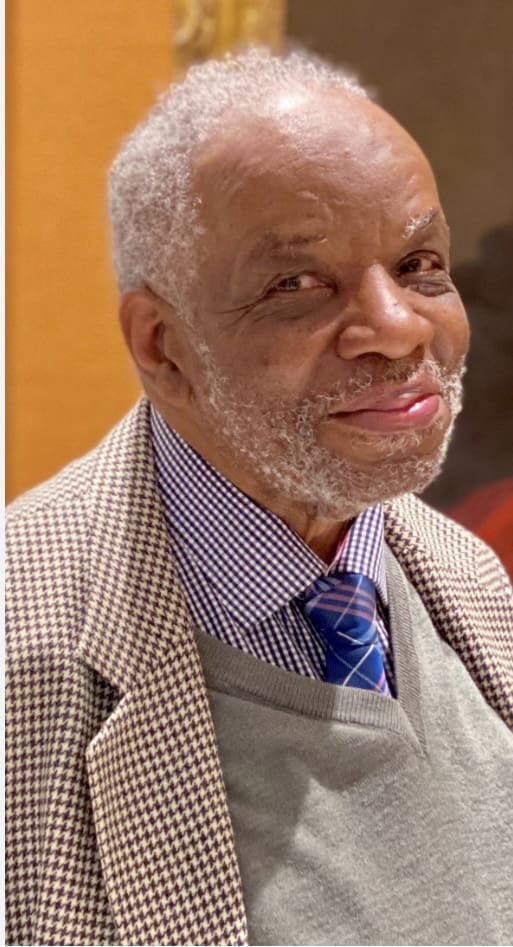
There was a doctor who intended to help the families of the victims recover from the devastating trauma. This doctor was Dr Aggrey Burke. Dr Burke was one of recent history’s most pioneering and influential psychiatrists. He played a pivotal role in psychiatry in both England and Jamaica where he was born.
He was the NHS’s first black consultant. In 1986, he co-authored a now famous paper on racial discrimination and bias in the recruitment of candidates to medical schools in London. This paper actually changed how Universities go about their recruitment processes. He passed away in December of last year.
Dr Burke’s commitment to a vision of psychiatry that was not very popular but intensely needed, and his achievements in overcoming the systemic biases in his field, highlight the character of a fiercely empathetic and courageous individual.
Reverend Mary Webster
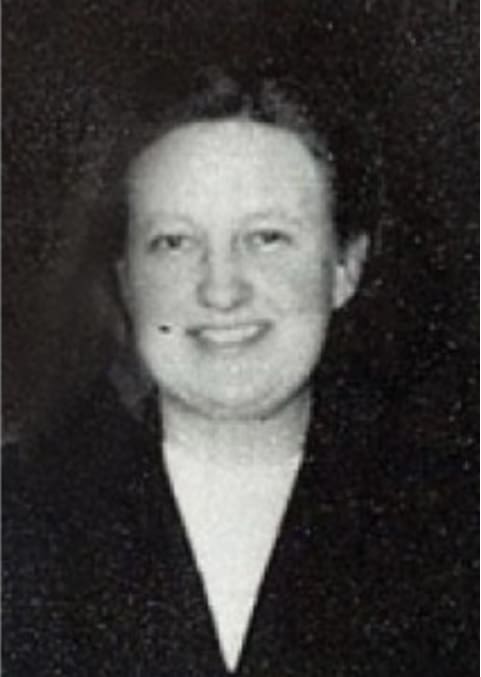
Reverend Mary Webster was a passionate advocate and activist for unpaid carers.
In 1954 at the age of 51, she decided to leave her job to care for her elderly parents. Webster became conscious of the realities that carers in her situation had to face. She realised that in taking up the role of looking after her grandparents, she had to effectively forfeit a viable financial future for herself. In the start of 1963, she decided to write letters to the country’s press core, explaining how single women were effectively ‘under house arrest’ for choosing to take care of individuals who desperately needed it.
Webster’s notoriety rose overnight, as women in similar positions across the country expressed their support. She became the voice of a movement which led to a highly anticipated meeting in the House of Commons in July of 1963. Eventually, a national council was set up in order to address these issues.
The first financial support from the government that was given to carers like Mary was in 1976 in the form of a cash benefit. Nine years later, the Carers (Recognition And Services) Act of 1995 gave carers the right to assess and evaluate their own needs. The 2014 Care Act further strengthened the rights of Carers. Reverend Mary Webster was one of the first and most crucial figures responsible for this profound change in government attitude.
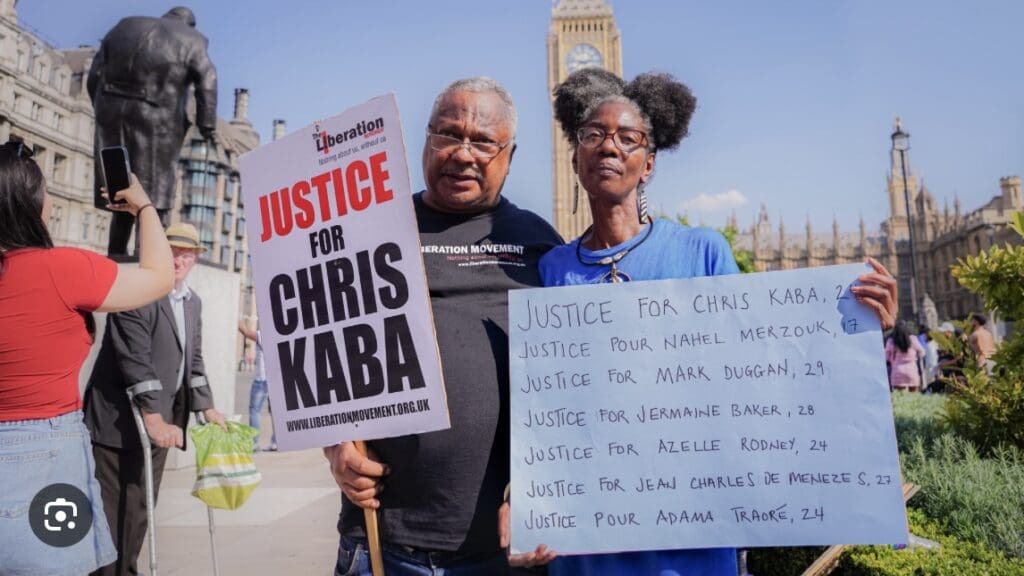
Marcia Rigg
Marcia Rigg’s brother was a musician. He loved to perform and he loved to travel. During a mental health crisis, Sean died of cardiac arrest after being restrained by police officers in the prone position.
When it was discovered that the death of Sean was caused by police misconduct, and when the individuals involved did not face proper accountability, Marcia began her campaigning life. She worked tirelessly and closely with other families who also experienced similar circumstances. She headed the United Families and Friends Campaign (UFFC), a coalition of families advocating for justice in deaths related to state agencies.
In 2023, the Independent Office of Policy Conduct (IOPC) apologised to her for its failings in delivering accountability over her brother’s death.