
Credit: Pexels
When life fractures under the weight of trauma, mental illness, or severe personal crisis, the road back to stability is rarely built on grand gestures.
Instead, it is laid down brick by brick through small, repeatable daily rituals. While professional culinary settings are notoriously high-stress, fast-paced, and grueling environments, cooking at home functions in the exact opposite way.
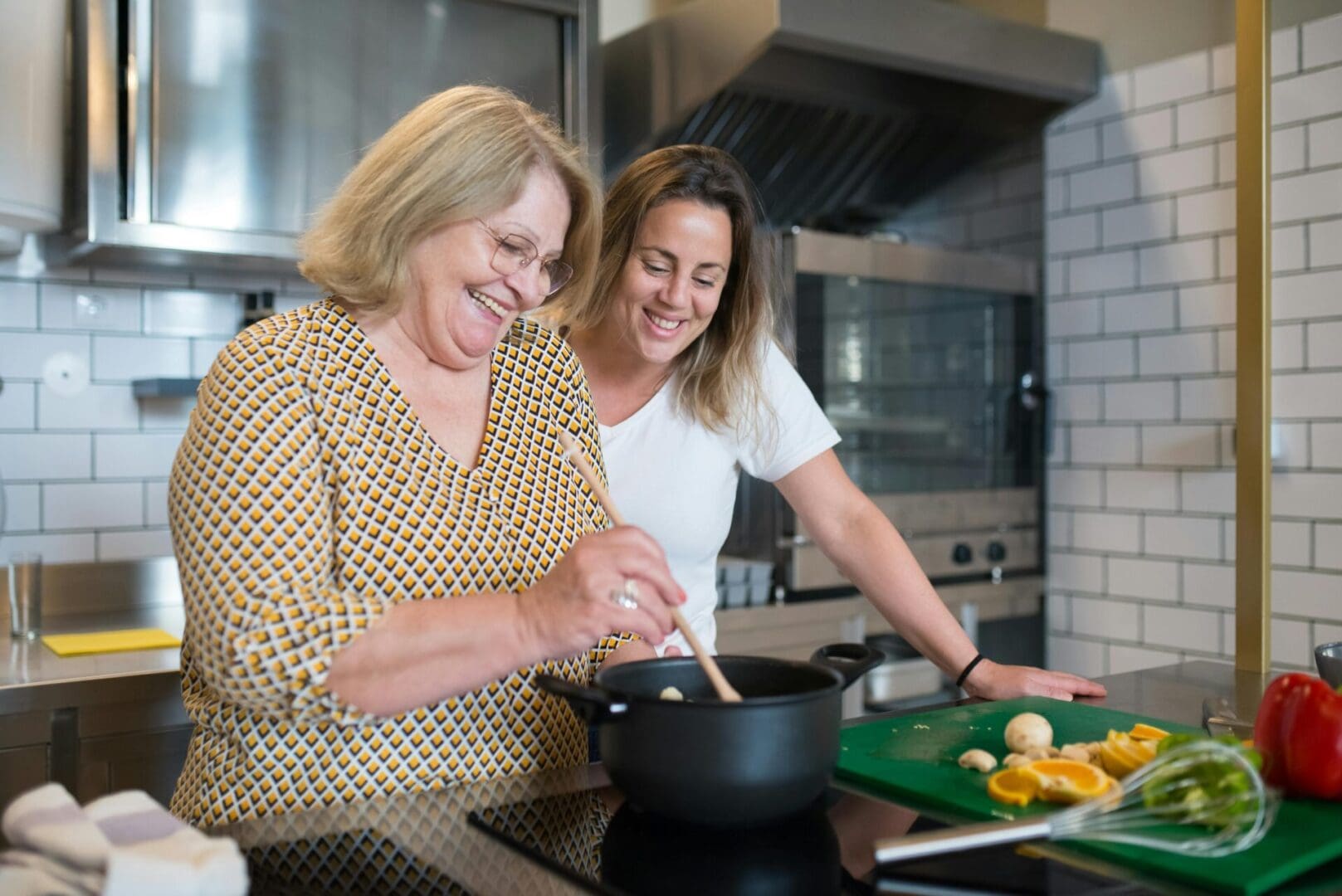
Away from the pressure of tickets, domestic cooking serves as a primary tool for rebuilding a life from scratch. When a cascade of hardship strips away a person’s routine, financial security, or identity, the simple act of preparing food at your own pace can become a powerful engine for psychological and cognitive reconstruction.
Below are five, scientifically-backed reasons why cooking can help rebuild a person’s life.
1. It reclaims agency in a world of chaos
Credit: RDNE Stock Project
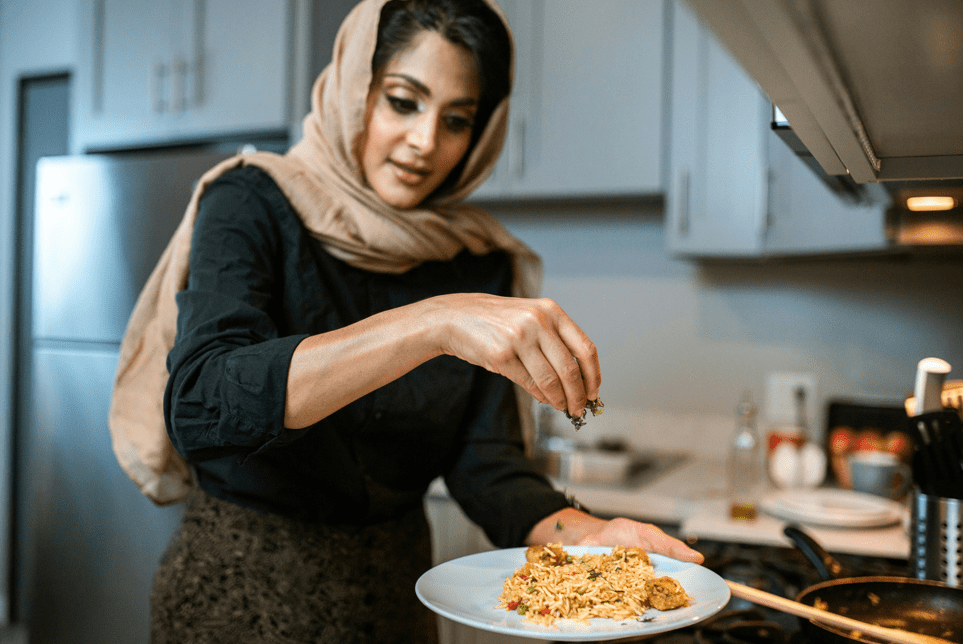
When navigating volatile personal situations or institutional systems, almost every aspect of a person’s environment is out of their control. The kitchen radically flips this dynamic because within the borders of a cutting board, the cook is the sole architect. They control the ingredients, the temperature, the timing, and the ultimate outcome.
A global comprehensive review tracking the psychological impacts of culinary programs found that hands-on cooking workshops fundamentally drive increases in dietary autonomy and culinary self-efficacy, significantly expanding an individual’s confidence to plan, select, and prepare meals independently. For individuals navigating massive life transitions, this proves that cooking provides a rare, highly controllable environment where direct effort reliably yields a predictable, tangible result.
This reinforces a baseline sense of personal competence when the rest of the world feels completely out of reach, directly fostering self-efficacy – the psychological belief in one’s ability to execute the behaviours necessary to reclaim control over their destiny.
2. It enforces sensory grounding against anxiety

Credit: Endo Excellence Center
Severe anxiety, depression, and high stress trap the human mind in a destructive, hyper-vigilant loop of internal panic or future fear, causing a person to feel entirely disconnected from their immediate surroundings.
Cooking serves as a natural, active form of sensory grounding. The intense sensory inputs required in a kitchen- the sharp hiss of a hot pan, the pungent aroma of searing garlic, the physical weight of a knife, and the vibrant colors of fresh produce – force a person’s mind to shift focus outward.
Population time-use data evaluating the emotional benefits of food preparation confirms that dedicating time to daily meal preparation acts as an active behavioural strategy linked to significantly lower levels of stress and improved subjective mental health.
A person cannot safely slice an ingredient while completely detached from reality; the process demands absolute presence, utilizing rich, multi-sensory experiences to stabilize the nervous system and anchor the mind firmly back into the physical world.
3. It rebuilds fractured cognitive functioning
Credit: Anna Shvets
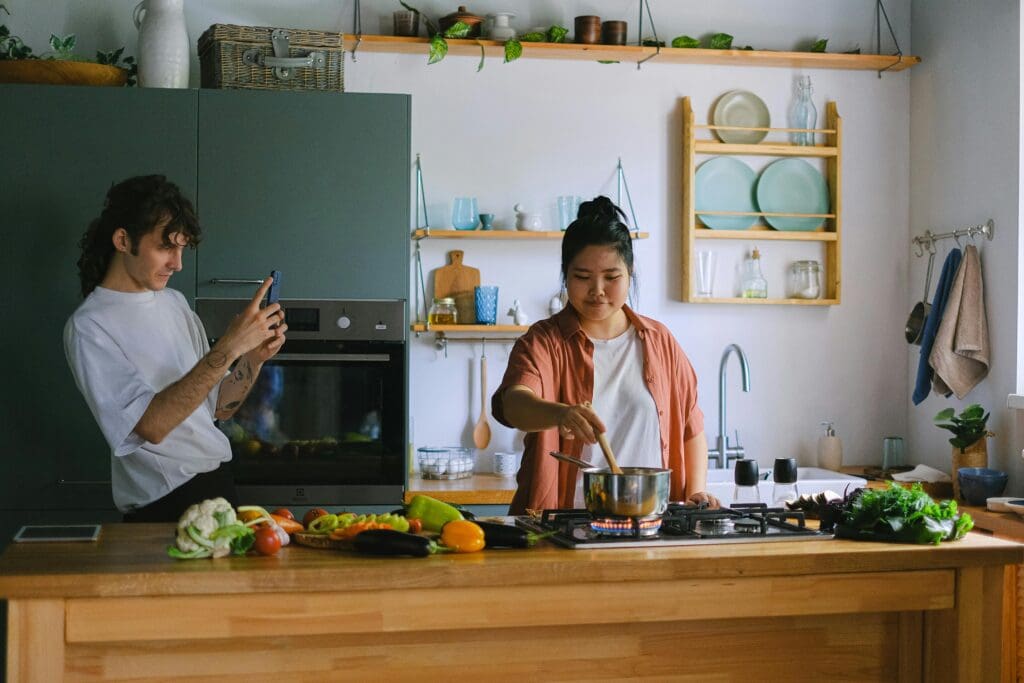
Rebuilding unhelpful mental pathways requires structural exercise, and cooking a meal is, fundamentally, a complex project management task.
Clinical research published in 2015 highlights why Occupational Therapists globally use culinary tasks for cognitive rehabilitation. The process forces the brain to practice prospective memory (remembering to perform a planned action in the future) and strict task sequencing. A cook must prep a station, calculate cooking times so multiple components finish simultaneously, and maintain an overall goal while managing micro-tasks, providing the exact neurological friction needed to progressively restore complex cognitive skills after a life collapse.
4. It provides instant, non-judgmental validation
Credit: Pexels
Cooking offers something the standard recovery process rarely does: instant gratification. A multi-month controlled trial testing culinary initiatives discovered that structured, hands-on cooking programs generate sharp, measurable increases in self-perceived mental health and vitality.
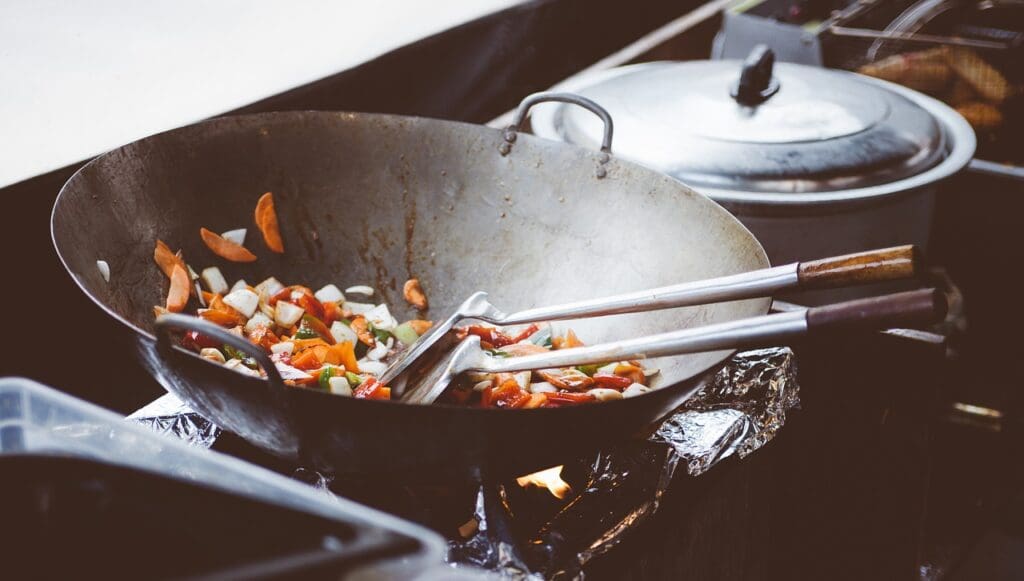
In a matter of thirty minutes, an individual can transform raw, disconnected, chaotic ingredients into a cohesive, comforting, and structured meal. Successfully completing a dish triggers a distinct flow state and immediate positive affect, providing a quick, accessible boost to self-esteem.
5. It fosters a community spirit
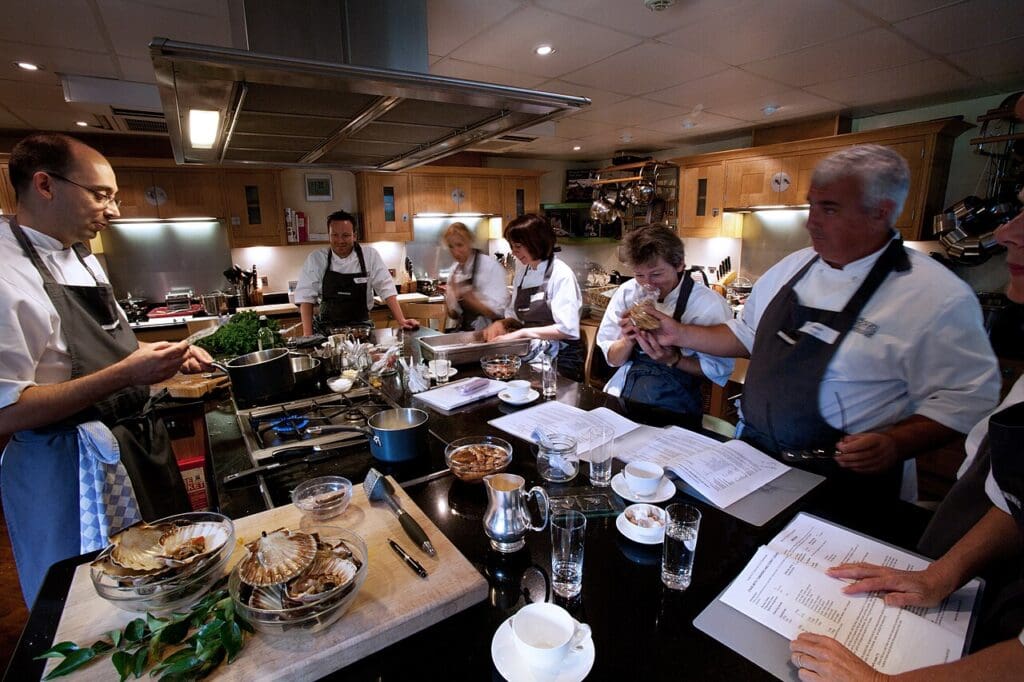
Credit: Jorge Royan
Food is a universal language of care, survival, and cultural identity. Leaning into a culinary craft allows individuals to reconnect with a positive, capable version of themselves that existed before their crisis hit.
Ecological Momentary Assessment (EMA) data analyzing everyday food behaviors confirms that prosocial cooking events reliably elevate momentary subjective happiness, lower negative affect, and build personal self-esteem. Furthermore, food is inherently social.
Transitioning from being someone who merely receives aid to someone who actively prepares a meal, whether for themselves or to share with others, is a profound reclamation of human dignity that effectively combats the crushing social isolation keeping people trapped in despair.
Ultimately, the therapeutic power of the kitchen lies in its ability to transform a basic survival necessity into an act of profound self-reclamation. It proves that recovery does not have to be an abstract, clinical concept debated in therapy rooms; it can be something tangible that you can taste, smell, and create with your own hands.