Photo: via Pexels
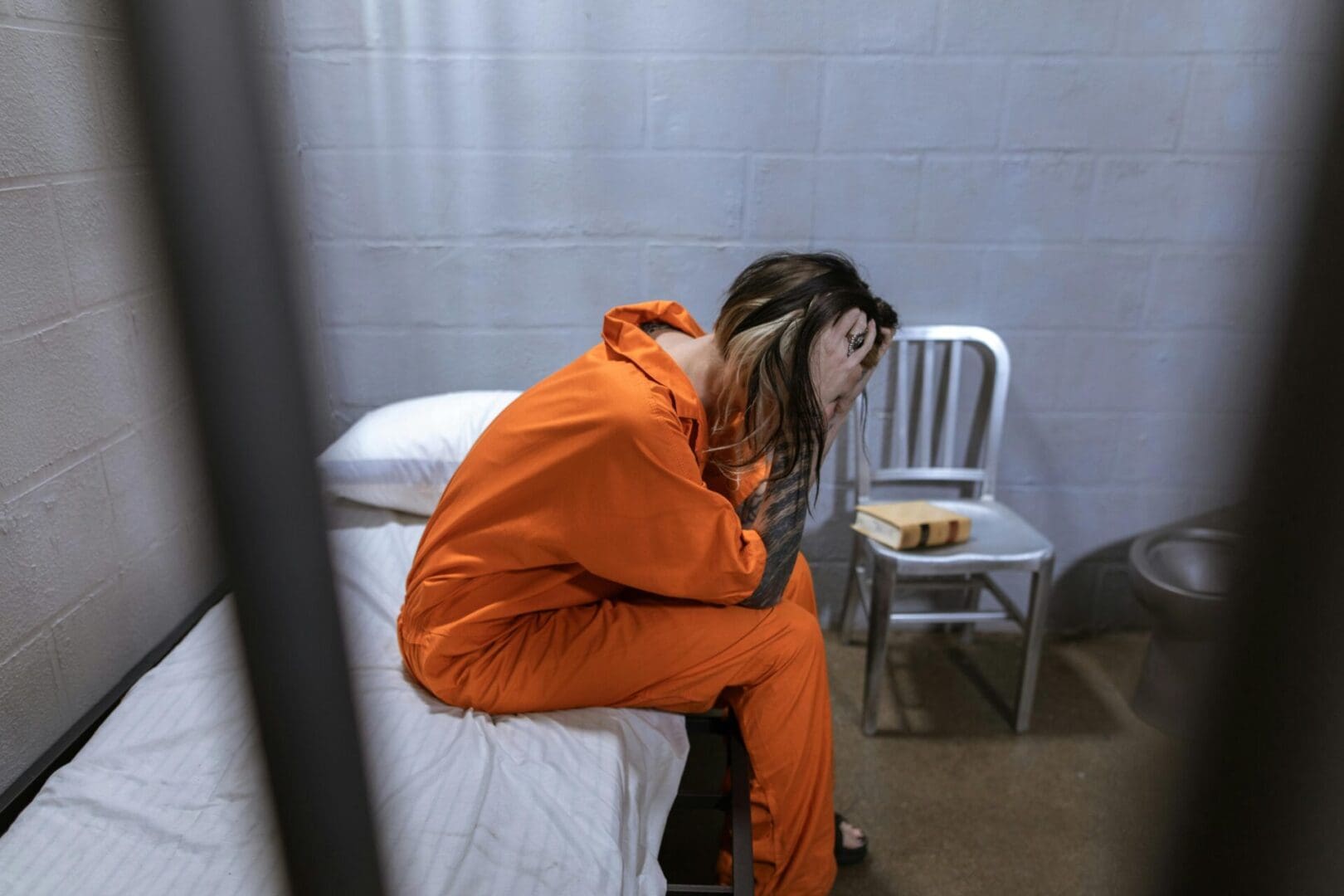
There are around 100,000 women currently in prison who shouldn’t be there due to failures within the criminal justice system, according to statistics from ‘Women in Prison’.
While gendered injustices exist within prisons, Uproute explores how we got here, and what is being done to change this.
In January 2025, the government formed the Women’s Justice Board for reducing female imprisonment.
The board is formed of a panel of experts, including former Victim’s Commissioner Dame Vera Baird and the Prison Reform Trust director Pia Sinha.
In a recent report, they outlined how they planned to implement this approach, summarising the stages where there are opportunities to divert women from taking a criminal path.
It states, “This includes suitable temporary accommodation where needed and pathways into permanent housing and healthcare, particularly for harmful substance use and mental health needs.
“This requires strong ‘buy in’ from multiple local agencies, ideally under collective governance reporting into the Local Criminal Justice Board (LCJB).”
Data from Gov.uk shows the proportion of males and females throughout the CJS in England and Wales:
The data gives an insight into the gender balances within prisons, and show that women take up 4% of the prison population, which is why their specific needs are so often overlooked.
“The whole criminal justice system is a system designed by men for men,” she says.
“Everything about it is tailored for men’s needs, and again and again, women slip through the cracks. To name a few examples, mothers in prison.
“We know that being separated from your children is an incredible trauma and extremely distressing. Also, all pregnancies in prison are now categorised as high risk by the NHS, and yet we’re still imprisoning pregnant women, even for the most minor offences.”
In April 2024, the Sentencing Council announced a new mitigating factor that must be implemented within UK courts, it stated that ‘Pregnancy, childbirth and post-natal care’ should be considered.
It outlined that what should be considered is the medical needs of the offender, the effect of the sentence on their mental health and the effect of the sentence on the child.
Whilst ‘consideration’ is definitely needed, Women in Prison calls for more.
“One of the key solutions and alternatives to prison is community support in women’s centres. Rather than punishing women for poverty reasons, you support them,” she says.
She highlighted how a couple of years ago, ‘the most shoplifted item in Tower Hamlets was calpol’, something that was confirmed in a report by Tower Hamlets council in 2023.
She says, “But, things are changing right now, there are women’s centres around the country and they offer holistic support. So that means lots of different kinds of support all coming into one place and supporting women.
“That’s the right model, but for a long time they’ve been under-resourced and under-funded.”
In March this year, the government announced a £32 million investment for women’s services to tackle the root causes of reoffending.
This is a positive step toward change if their goals are met to enable women’s centres and charities to deliver specialist help to female offenders.
Natausha van Vliet, CEO of PACT, which runs Alana House Women’s Community Project, said: “At Alana House we see how trauma, abuse and poverty pushes women into the criminal justice system, and this funding will enable us to support and empower more women to achieve positive, sustainable changes.
“Community based, trauma informed support works, it keeps women safe, reduces reoffending and strengthens families.”
This funding comes at the same time as the Women’s Justice Board published its independent report setting out how the Government can reduce the number of women in custody, mentioned earlier in the article.
Russell says, “We’ve got to have a better understanding of women’s experiences. The formation of the Women’s Justice Board does really promise something different.
“We have seen an investment in women’s services to tackle the root causes, making sure that we actually deal with the barriers that women are experiencing, rather than let them fall into the criminal justice system, that is a better model.”
If you want to hear a real story about one woman’s journey through the prison system, read our piece with Toni Garrigos, a single mother who turned to selling drugs to try and make enough money to support her children.