
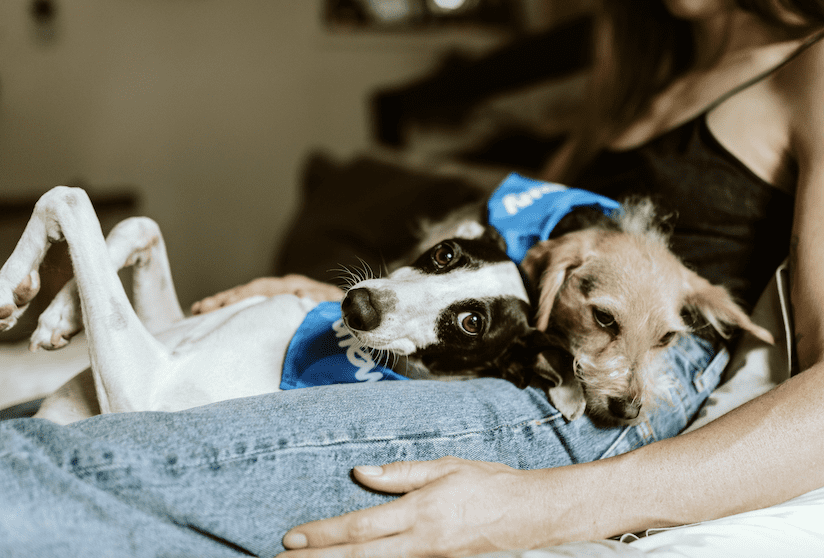
Photo: Chewy on Unsplash
A London NHS trust is expanding its animal therapy programme across 16 sites, offering sessions with therapy dogs, cats and other animals to people experiencing mental health conditions.
The scheme allows patients to spend time stroking, playing with or walking therapy animals alongside trained handlers.
What is animal therapy?
According to the National Library of Medicine, animal therapy involves trained animals supporting people’s emotional or mental wellbeing in healthcare settings.
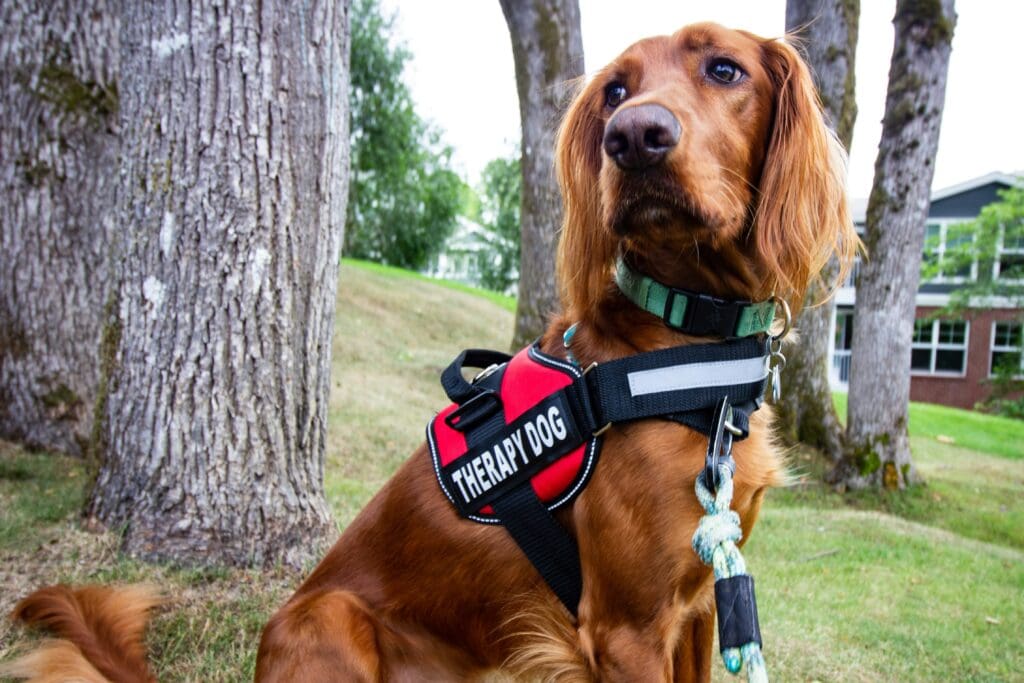
In NHS settings, sessions are usually guided by trained handlers and can include interacting with dogs, cats or other therapy animals. Patients may pet, walk or simply sit alongside the animals during moments of stress, anxiety or emotional distress.
Why are more NHS services introducing it as part of mental health support?
More NHS services are introducing animal therapy as part of a wider attempt to support growing pressure on mental health care.
With increasing demand for services and long waiting lists, some NHS trusts are looking for additional forms of support that can sit alongside traditional talking therapies.
Animal therapy is seen as a low-barrier, non-clinical intervention that can help patients feel calmer and more emotionally safe, especially for those who find it difficult to engage in standard therapy settings.
It is also being used as part of a broader shift towards more holistic and person-centred care, where emotional wellbeing, environment and sensory comfort are considered alongside clinical treatment.
While it is not a replacement for professional mental health treatment, some services see it as a useful complementary tool to improve patient experience and engagement.
How could it affect mental health?
Valerie Fillery,CEO of the Canine Concern says that the presence of animals can help people feel calmer, safer and more emotionally open.
“They can have a really positive impact on mental health because animals don’t judge or criticise people. That can help children and vulnerable people feel more confident and emotionally safe.”
The charity said therapy animals can also encourage communication and help people feel more comfortable in group sessions or structured activities.
“It helps reduce stress and anxiety, and many people find it easier to open up emotionally when there is an animal present, because it feels less intimidating than talking directly to a person.”
For children,she said interaction with animals can make it easier to communicate and adapt to new or unfamiliar environments, particularly during organised activities or trips involving therapy animals.
“It can help children communicate more easily and feel more comfortable in unfamiliar environments, especially during activities or trips involving animals,” they added.
For women, Valerie thinks having a therapy dog present can provide emotional comfort and a calming presence, particularly during periods of stress or anxiety.
“For women, having a therapy dog around can be really calming and comforting,” she said.