

Photo: Atlanta Bone and Joint Specialists
For millions, chronic pain remains a devastating daily reality. According to the NHS Digital Health Survey, 26% of adults have reported experiencing chronic pain. 13% reported high-impact chronic pain.
This translates to around 8 million people.
Scientists are working hard to figure out why some aspects of chronic pain occur and how to prevent it. Here are five of the most ground-breaking and interesting studies on chronic pain in the UK:
Duke University: Recharging damaged nerves
Researchers at Duke University have recently uncovered that damaged nerves can be healed through the use of healthy mitochondria. Some experts argue that chronic pain is actually caused by mitochondria that stop working due to nerve cells that have been damaged. Mitochondria are responsible for producing energy within our cells.
However, when the cells are damaged, the mitochondria don’t carry out this job effectively. The research team used both human tissue and mouse models with the goal of finding out whether healthy mitochondria can repair damaged cells. The findings show promise with regards to treating diabetic neuropathy and chemo-therapy induced nerve damage.
These developments also add credence to the theory that cells can exchange mitochondria between themselves. The theory is that these exchanges act as a natural support system that can be investigated further in conditions ranging from obesity to cancer.
University of Aberdeen and Academy Sinclair: Uncovering a new pain target
Teams from the University of Aberdeen and Academy Sinclair effectively discovered that the nervous system processes some chronic pain differently to pain from injury or exertion. The team genetically silenced neuronal pathways in a mouse model. They then tested the theory on a patient with a spinal cord injury. The different pathways that they discovered could potentially be tested for future medicines and treatments.
The teams also uncovered that the molecule named ‘Glutamate‘ is released in muscles that activate unconventional receptors. When too much Glutamate is released, pain receptors nearby get activated.

Virginia Tech: Helping Women deal with chronic pain

Neuroscientist Ann Gregus and her team from Virginia Tech University managed to remove well-established pain pathways by shutting down an enzyme system that produces molecules that amplify pain. This is potentially ground-breaking for patients. The discovery could provide a path for a new class of treatment that does not utilise an opioid.
This essentially means that if a person’s symptoms are not alleviated by standard medication, this study could help provide them with new medications.
Using neuroplasticity to improve chronic pain
Rates of chronic pain are higher among veterans, minorities, and people with a lower education level and a lower income in the United States. This fact could have to do with discoveries made by Dr. Howard Schubiner. Dr Schubiner has conducted several studies on how neuroplasticity can be used to alleviate the symptoms of chronic pain.
His main achievements has been to highlight the effects of intense emotional stress on chronic pain. He was involved with a fascinating piece of research that indicated that a form of therapy called ‘Emotional Awareness and Expression Therapy’, which focuses on intense emotional expression and suppressed emotion recovery, substantially reduced pain in patients with conditions like fibromyalgia and back pain, sometimes at higher rates than conventional care.

University of Oxford: Uncovering new genes
Oxford University researchers funded by Wellcome have observed a new genetic factor for chronic pain. The team, led by Professor David Bennett in the Nuffield Department of Clinical Neurosciences compared genetic data with participant answers on a questionnaire on pain. They realised that participants who had a variant of a gene called ‘SLC45A4’ were more likely to report greater levels of pain.
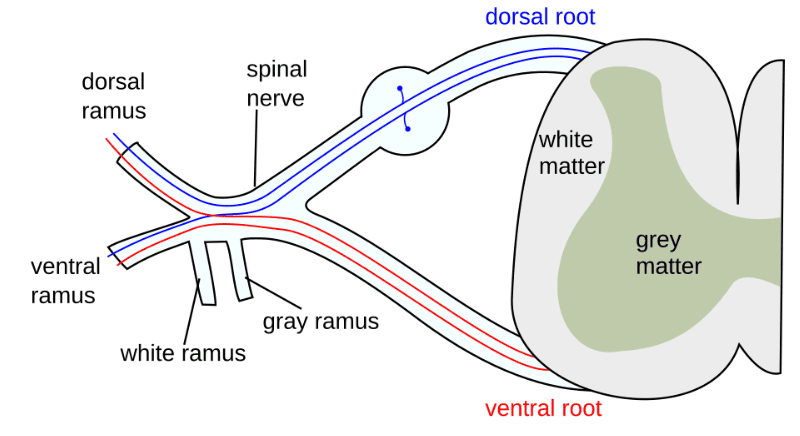
When trying to understand how the ‘SLC45A4’ gene encodes, they uncovered that the gene was present at high levels in a region of the peripheral nervous system where sensory neurons carry information from skin and muscle called the ‘dorsal root ganglion.’ These findings indicate a new target for drug development for certain chronic pain conditions.
If you enjoyed this deep dive: Read more here.