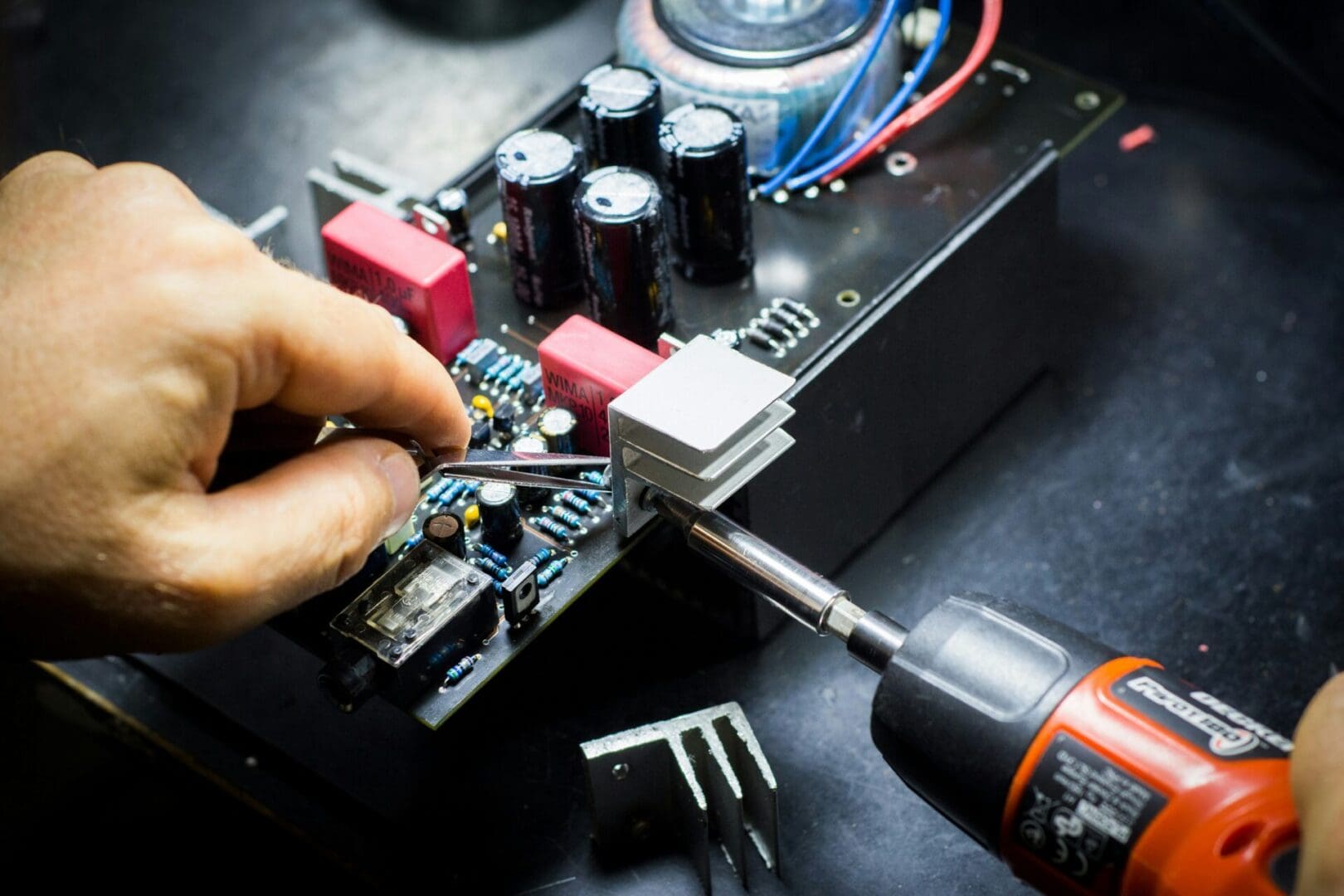
Photo: Blaz Erzetic via Unsplash
Repair cafes are popping up in community centres across the UK, creating a place where people can come together and fix their household items for free.
On a Sunday morning in a community hall somewhere in the UK a kettle that hasn’t boiled in a month sits on a table next to a scruffy pair of school shoes, a wobbly chair, and a laptop that won’t turn on. Around them, volunteers lean in with screwdrivers, soldering irons, and glue guns. This is a repair cafe, a service that is popping up all over Britain in recent years.
A repair cafe is a monthly held volunteer-run event in which people bring their broken items from home which would have otherwise been thrown away and together with volunteers make repairs with tools and materials that are provided.
This not only offers an affordable alternative at a time when household funds are tight but also allows people to build their own repair skills alongside people with specialist skills, a sustainable solution which grants people more independence to fix things at home or help others.
With the rise in consumer culture meaning products are now often designed for obsolescence rather than longevity, and people’s lack of confidence in their repair skills a cycle has been created in which replacement becomes easier and cheaper than repairing.
A survey conducted by Censuswide found that nearly two in three people say they have spent around £277 a year replacing items they believe could’ve been repaired – amounting to an estimated £ 15 billion spent annually on replacements in the UK.
In the midst of a cost of living crisis this has left people stranded with not enough money to purchase a replacement and a lack of skill to repair: 23% of people stated they have postponed making home repairs due to increasing living costs according to figures from Go.Compare home insurance.
Repair hubs have not only offered an affordable solution to this problem but have also built on the importance of comunity, giving volunteers an opportunity to make use of their skills and socialise with others in the area, developing bonds with people they may have otherwise not met.
Currently, there are over 2500 repair cafes worldwide, just under 800 of which are estimated to be located in the UK. You can find the closest one to you here.
Martine Potsma established repair cafes in 2009 in the Netherlands, Amsterdam with the aim of implementing more sustainability at a local level. She then went on to start the non profit organisation Repair Cafe International Foundation in 2011 which has provided support to local groups across the world who wish to start their own Repair Cafe.
If you want to start your own Repair cafe in your community you can do so with the support of the Repair Cafe International Foundation which can provide support and guidance.