Trigger Warning: The following article mentions suicide.
For nearly a century, the most successful addiction recovery infrastructure on earth – Alocholics Anonymous – operated under a single, golden, non-negotiable tenet: anonymity.
But for a generation growing up in the age of social media, the rules are completely flipped. Under the hashtag #sobertok and #sober, young people are broadcasting their rawest, most volatile recovery journeys to millions of completely anonymous strangers, with the hashtags amassing well over 1.5 million views.
One of the creators at the forefront of the movement is Baelie Pierce, a 26-year-old from Utah.
She entered rehab after the peak of her alcoholism led to a suicide attempt in 2024. With the support of her family and therapist, she spent 47 days in rehab and is now two years sober. She shares personal anecdotes and tips on TikTok for other recovering addicts, but it is just as healing for her as it is for them.

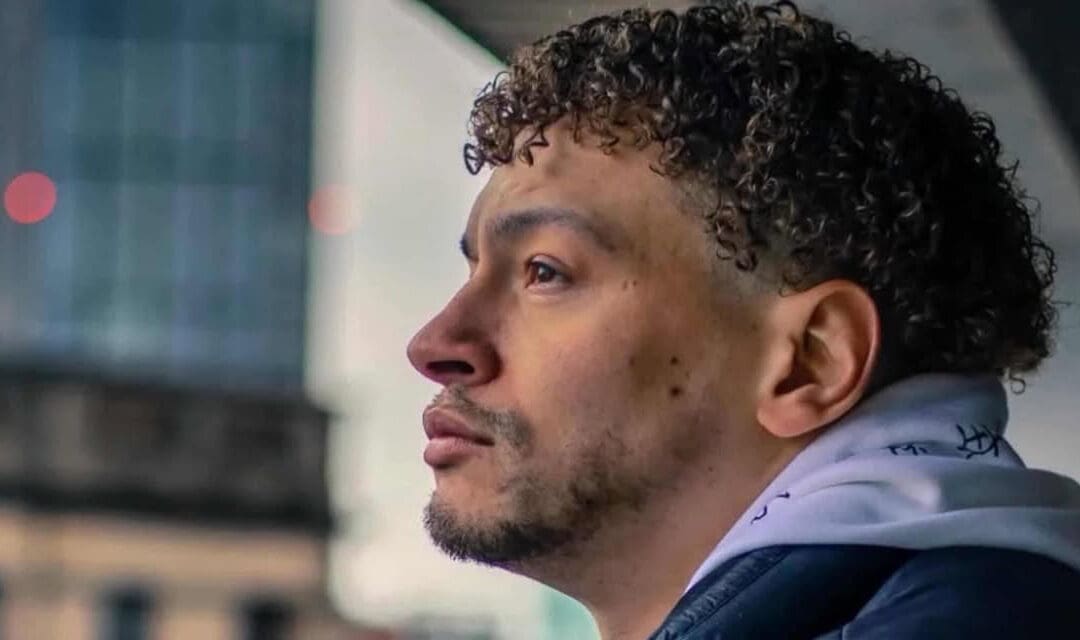
Baelie Pierce
“Posting videos about my sobriety connects me to people in recovery all over the world,” Baelie says.
“I have my own community through TikTok. I post to help keep myself sober and accountable. It just so happened that I got a little following because of it. Now I stay sober to show my followers it is possible.”
The sober generation myth
For the past few years, popular discourse centred around the drinking habits of Gen Z has brought the conclusion of a sober generation, evidenced by a lack of bar spends in pubs and other licensed venues. But as the eldest members of this demographic hit their mid-20s, the data tells a radically different, and far more urgent story.
According to a March 2026 study by the UCL Centre for Longitudinal Studies, which tracked nearly 10,000 UK young adults through the Millennium Cohort Study, the idea that Zoomers are entirely shunning substance use is an illusion. The data revealed that as Gen Z reached age 23, regular binge drinking (defined as consuming six or more alcoholic drinks in a single sitting) tripled since their late teens.
Now that thousands are hitting a sudden wall of early-twenties dependency, they are utilizing the TikTok algorithm as a form of automated, crowd-sourced digital intervention.
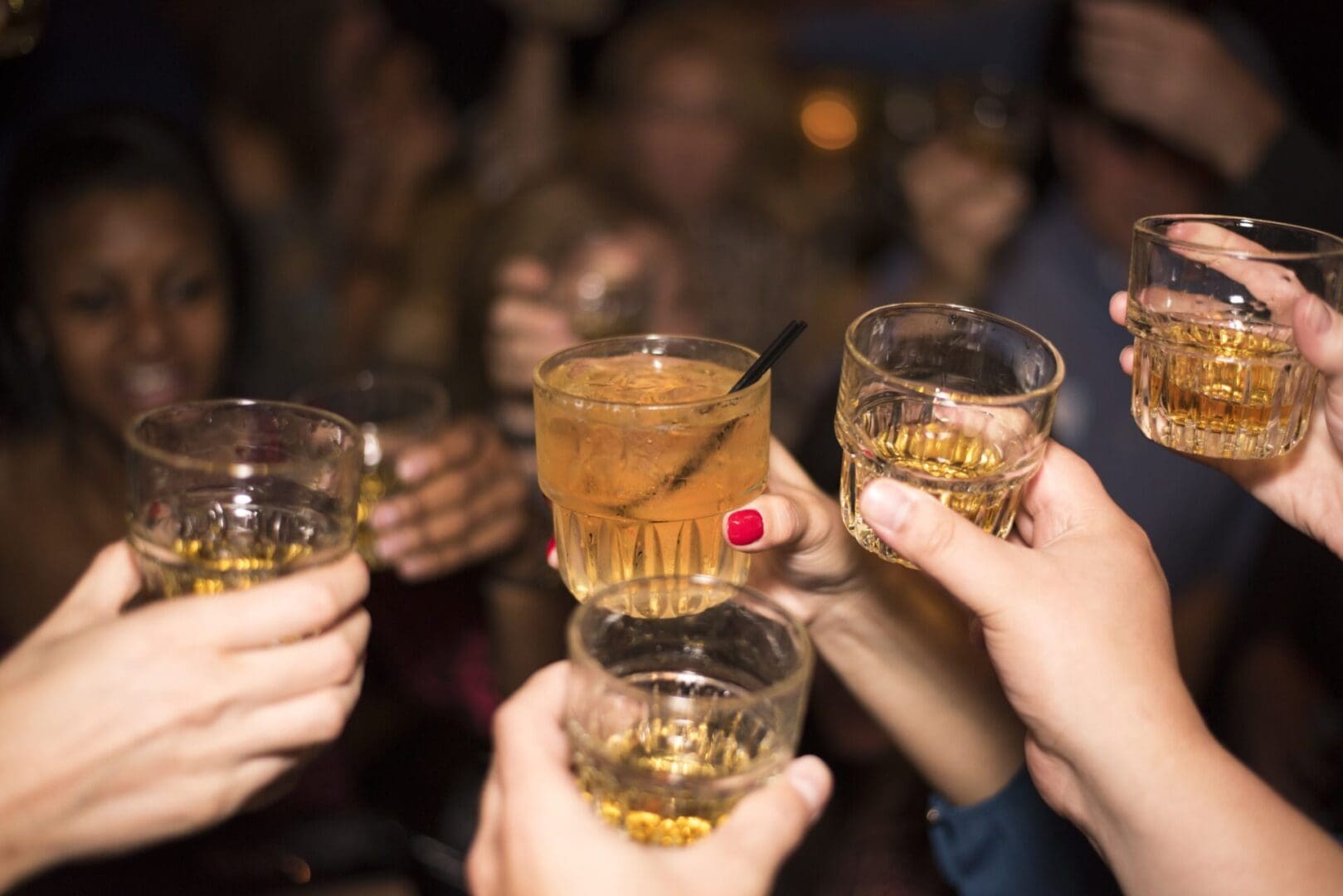
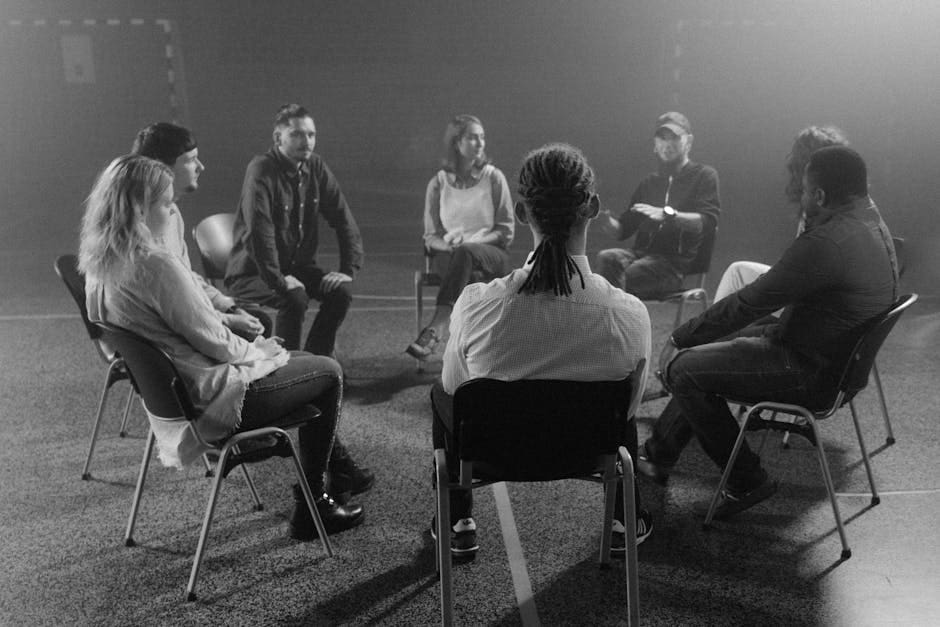
Regular binge drinking for Gen Z at age 23 triples since their late teens. Credit:Pxhere
For creators like Baelie, knowing that a video shot in her bedroom can reach a peer when they are at their lowest, brings a profound sense of purpose.
“It brings me so much peace,” Baelie reflects. “I originally posted for myself, but to know it is helping other people is so surreal. I feel terrible that people may be going through something similar or even worse than I did, but if my videos help, that gives me all the motivation to post. I hope they see my videos and know they can do this.”
This openness marks a massive shift away from the shame that kept older generations silent.
“Being open and honest has been challenging but rewarding,” she admits. “It’s kind of embarrassing to admit some of the things that I’ve done, but I know I’m not alone. Being honest shows people that even influencers can have terrible days too. I want my TikTok to be real, raw, and honest. I have found I love myself so much more the more honest I am. I don’t have secrets to hide from anymore.”
An algorithmic push for authenticity
Baelie’s decision to be truthful with her audience is in stark contrast to the criticism around creators showcasing an unrealistic, aesthetic journey of rebuild.
On TikTok, authenticity is the highest currency. In fact, the algorithm frequently rewards raw, unedited pain over polished success.
When asked how she finds the drive to hit record when she is actively struggling, Baelie’s response exposes the unique mechanics of the platform: “I find motivation in the fact that people can relate to my bad days. Honestly, those are the videos that get a ton of views! The days where I’m crying and trying to keep it together. Yes, I post those videos and the support is unmatched.”
@bae.lie a loooooong introduction video to all of my new followers!!! thank you for being here and showing your support. it means the world to me. i’m so grateful for every single one of you. #fyp #sober #soberinmy20s #alcohol #alcoholism #recovery #recoveryispossible ♬ original sound – baelie | sober girly
Paradoxically, the creative process itself becomes the therapeutic tool. In traditional recovery, members are told to find a hobby to channel their addictive tendencies, which can be manifested through physical activity, creative outlets, volunteering etc. For Gen Z, content creation is the hobby.
“Everyone needs a hobby when getting sober,” Baelie says, “but making TikToks and funny videos about sobriety really gives me a way to open up. I am not a creative person at all but making content keeps me motivated.”
ALSO READ: Brain changes may help explain alcohol addiction recovery, study finds
The burden of healing publicly
Healing in front of millions is a fragile act. Relatable content often leads to outpours from people sharing their lived experiences in creators’ inboxes, adding a secondary task to their work than just tapping upload.
For Baelie, her professional background provides a unique solution to this.
She explains, “I work in healthcare so I am very good at flipping that switch off.”
“I can take a breath away from my phone and really think about what to say to this person. I’ve been told some heartbreaking stories, and I find myself in every one of them. I’ve lived through it so I enter these conversations with compassion and empathy. Some things do tend to stick around though.”
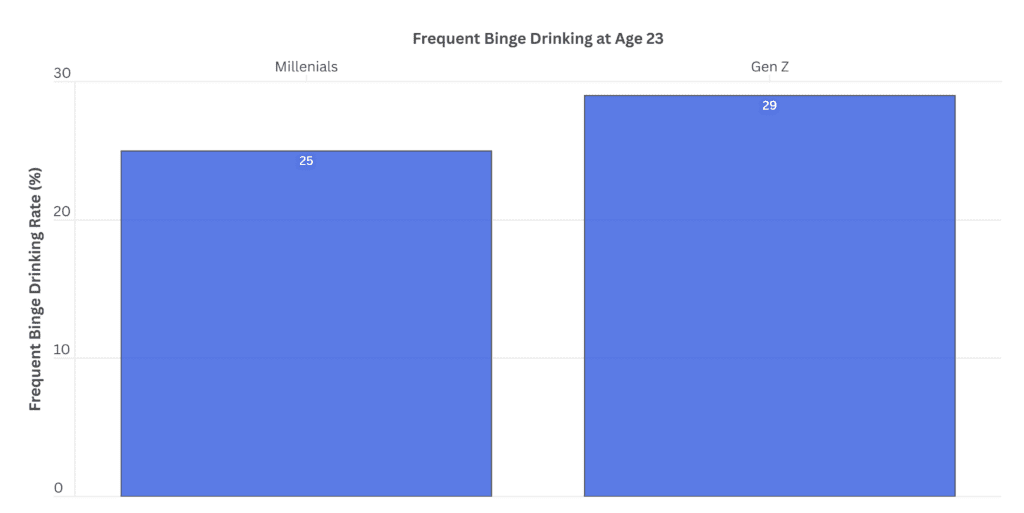
Source: UCL
Hearing such personal stories can often be overwhelming, bringing about the ultimate fear of a relapse. In the anonymous rooms of AA, a slip is handled privately, shielded from judgment. On social media, a relapse happens in front of an audience.
While Baelie acknowledges relapsing as a natural obstacle, she still fears overcoming one herself.
“Relapse is a part of recovery! It’s not embarrassing or something to be ashamed of at all,” she says. “With that being said, I am so terrified to relapse. Not because of the audience, but because I don’t want that life back. I don’t feel much pressure to be ‘perfect’ because there is no pressure for me to stay sober.”
Redefining recovery
What #sobertok ultimately proves is that the traditional mandate of absolute anonymity is no longer the only path to survival. Gen Z’s mass abandonment of secrecy isn’t a rejection of recovery values; it is an evolution of them.
They are dismantling the isolation of addiction by utilizing the most powerful, hyper-connected tools at their disposal.
The data from UCL serves as a stark warning that the threat of dependency among young adults is intensifying, not disappearing. By bringing that fight out of the windowless basements and onto the public feed, they are creating a living, breathing blueprint of survival for a generation that refuses to hide their healing in the dark.
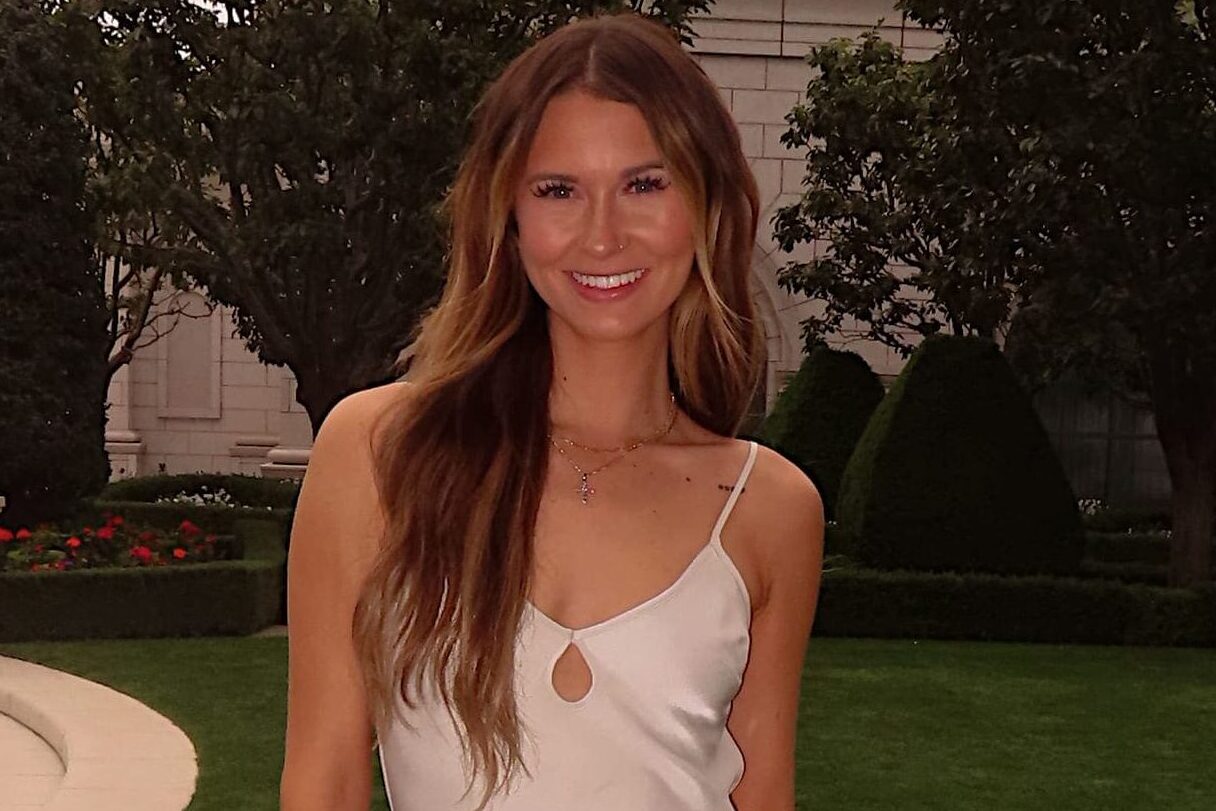
Baelie: “I don’t feel much pressure to be ‘perfect’ because there is no pressure for me to stay sober.”
To keep up-to-date with Baelie’s content, follow her on TikTok here.