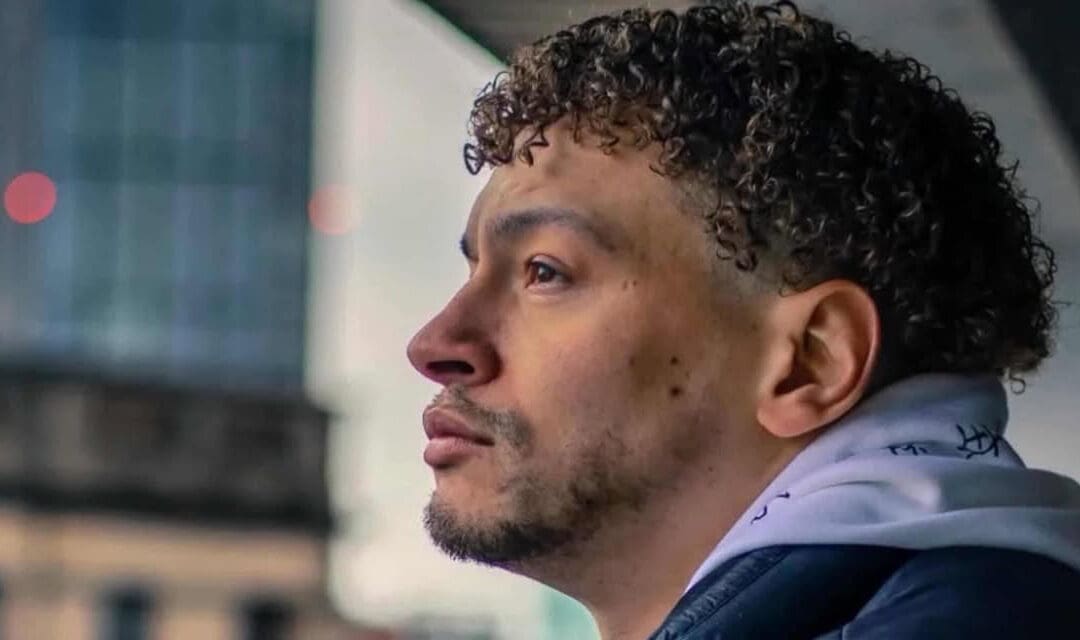
Uproute talks to forward Leeds on the work that they do with substance users.
Mark Hindwell is head of communications for Forward Leeds, a multi-organizational charity that specializes in providing harm reduction services to drug and alcohol users. He defines the concept as: “helping people use alcohol and drugs in as safe a way as possible knowing that no alcohol or drug use is entirely safe.” The approach leans away from over-moralization and instead leans into the specific user and their goals pertaining to substance use and recovery.
“We do one-to-one talking, we do a lot of peer support which is so important for some people. We have family workers who can support people who have children, we have housing people who can work with people on their housing. We have nurses and doctors that help people look after their well-being, but also to prescribe people medication for things like withdrawal symptoms.
“Believe it or not, we even employ midwives. So if someone uses alcohol and drugs and gets pregnant, we can provide the specialist care that those people need.”
Forward Leeds is situated in Kirkgate and is currently the second biggest multi-agency project addressing issues pertaining to drug use and alcohol. One of the main aspects of their work is educating people on safe drug and alcohol use.
“Harm reduction is also about education as much as anything else. Once you accept that some people are going to choose to use alcohol and some people are going to choose to use drugs, then you need to figure out how to make it as safe as possible for them to do so. It’s about having open and honest conversations, it’s about speaking to people and not going down the approach of ‘all drugs are evil and all people who use drugs are evil’, that approach doesn’t help anyone.”
Stigma around drug use in the U.K. is still extremely prevalent. A study by Taking Action on Addiction reveals between 21% and 43% of those with addiction claim that shame would stop them seeking support from one of 9 sources, including their GP and employer. A survey from Healthwatch reveals that over two-thirds living Hertfordshire who have used drugs or alcohol have experienced incidents of being judged for their substance use. Another survey taken from the UK Drug Policy Commission finds that 43% of people would not want to live next door to someone with a history of drug dependence.
“The stigma makes it harder for people to ask for help, it actually can push people further into their substance use. Huge strides have been made around mental health, but alcohol and particularly drug use seems to be the last taboo that nobody wants to talk about. Right now we are supporting around 4 500 people in Leeds, and 1 in 30 adults in Leeds have been supported by Forward Leeds, so everybody knows somebody who has had issues with alcohol and drugs.”
Drug use and drug consumption habits have changed drastically in recent years, with a rise in the use of ketamine and synthetic opioids.
“It’s still very challenging, the challenges tend to be in the nature of the drugs appearing. Right now, we are seeing a lot more people using ketamine and the challenge with that is that there are a lot of people who are using it from a younger age. The vast majority of people who come in tend to be from early to middle age.
“With ketamine, we are seeing people coming in who are ten to fifteen years younger. This is frightening, because quite often it causes physical problems. It doesn’t take long for ketamine to destroy someone’s bladder, which is terrifying, because once that’s gone, that’s gone forever. I was alcohol dependent, if I had gone at ketamine the way I’d gone at alcohol in my early twenties, my bladder would have been destroyed.
“The other huge issue is the amount of synthetic opioids that are appearing, people are creating synthetic opioids like Fentanyl and Methadone which are hundreds of times stronger than heroin. Those synthetic opioids are finding their way into other drugs as well. Some benzodiazepines have been found to have nitazines in them, THC vapes have been found to have nitazines in them.
” A tiny amount of that stuff in what was sold to you as a THC vape or what was sold to you as Xanax can kill you, you just won’t wake up.”
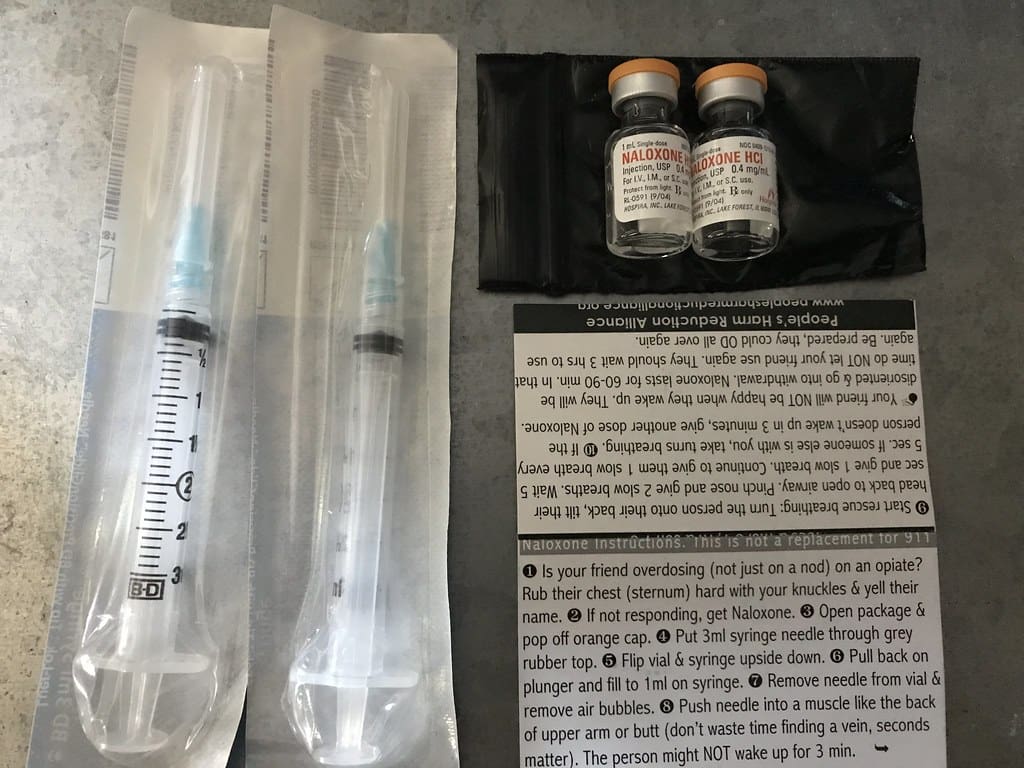
A key aspect of harm reduction is handling overdoses from opioids. Many harm reduction organisations employ the use of naloxone, which is a medication that prevents opioid overdoses by blocking certain receptors in the brain.
“We issue hundreds of naloxone kits, all you have to do is contact us and ask for a kit. It’s something that we highlight, we’ve done a lot of stories with local media. The opioid crisis in the U.S. has led lots of people educating themselves on this.
”Unfortunately, and it’s a horrible thing to say, but the 17-year old who brought a THC vape through Instagram isn’t thinking that they need to have naloxone. They’re thinking that they are buying THC, whereas virtually none of the THC vapes bought online actually contain THC. “
The Government is currently consulting on whether to expand access to naloxone. The regulations that the Government is focusing on are those that inhibit the supply of naloxone to hostels, day centres and outreach services focused on rough sleeping and homelessness. They also aim to allow supplies to be delivered to emergency staff in critical organisations and introduce publicly accessible emergency boxes in certain high-risk locations.