In recent years, community-based initiatives have increasingly been explored as alternative forms of mental health support. One of them, Run Talk Run, is a volunteer-led running and walking group designed to create safe, inclusive spaces where people can connect while moving.
Speaking about the project, Ben Grey from Run Talk Run explained that the initiative is built around the idea of accessibility and emotional safety, rather than performance.
“It’s about creating safe spaces in the community and by the community,” he said. “It’s all volunteer-led.”
Founded in 2017 by Jess Robson, the group emerged from her personal experience of finding that she could open up more while running than in traditional therapeutic settings. That insight has shaped the organisation’s core philosophy: combining physical movement with social connection to support mental wellbeing.
According to Grey, part of what makes running groups effective is the way physical movement can reduce psychological barriers.
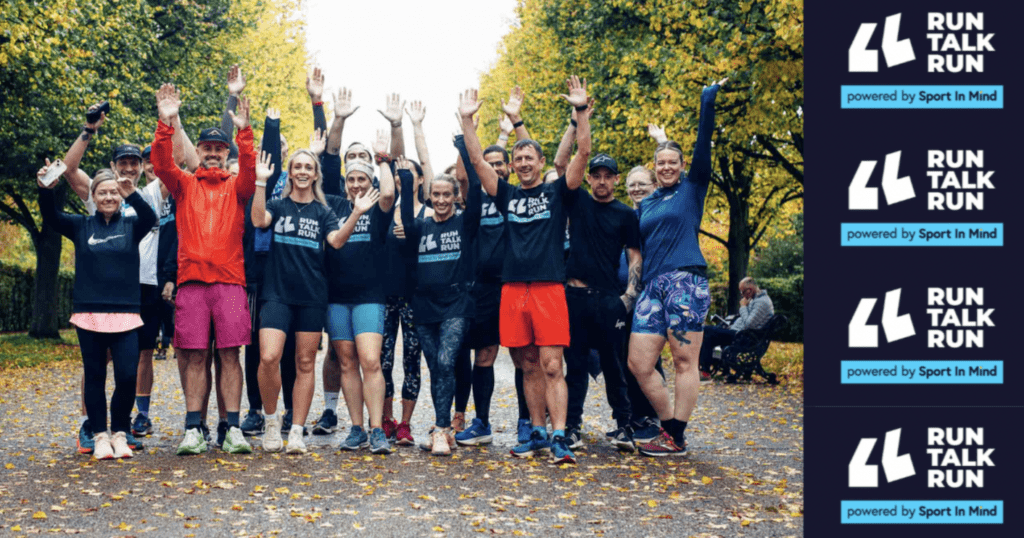
Photo from Run Talk Run group
“Running is hard and it takes a little bit of attention and physical effort, which means it can take down some of the barriers and make it easier to just be yourself,” he said.
He also highlighted the importance of shared movement in reducing feelings of isolation.
“There’s something about moving through space together,” he said. “Even if you’re feeling stuck, but you’re physically moving, there’s a disparity there that helps you go, ‘I’m feeling stuck, but I’m actually moving through it.’”
Beyond the psychological effects of exercise, Run Talk Run places strong emphasis on structure and accessibility. Sessions are kept to around 5 kilometres, follow the same weekly route, and are free to attend. These design choices are intentional, aimed at reducing uncertainty and lowering barriers to participation.
“We keep it predictable,” Grey said. “It’s the same route every week, the same day every week. Everything we do is about inclusion and taking barriers away.”
Groups are also kept intentionally small, typically between two and twenty participants, which helps create a more intimate environment compared to larger running communities.
“We want people to feel they can come along, whether they’re having a brilliant week or a really difficult time,” he added.
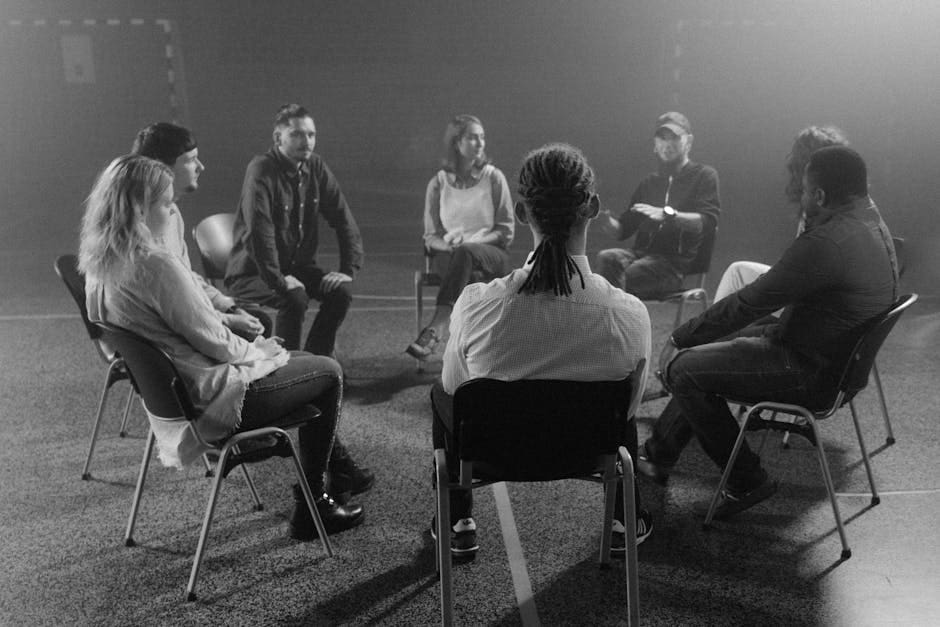
Participants are not required to speak, and sessions are structured to allow people to engage at their own comfort level. This flexibility, Grey explained, is central to the group’s approach.
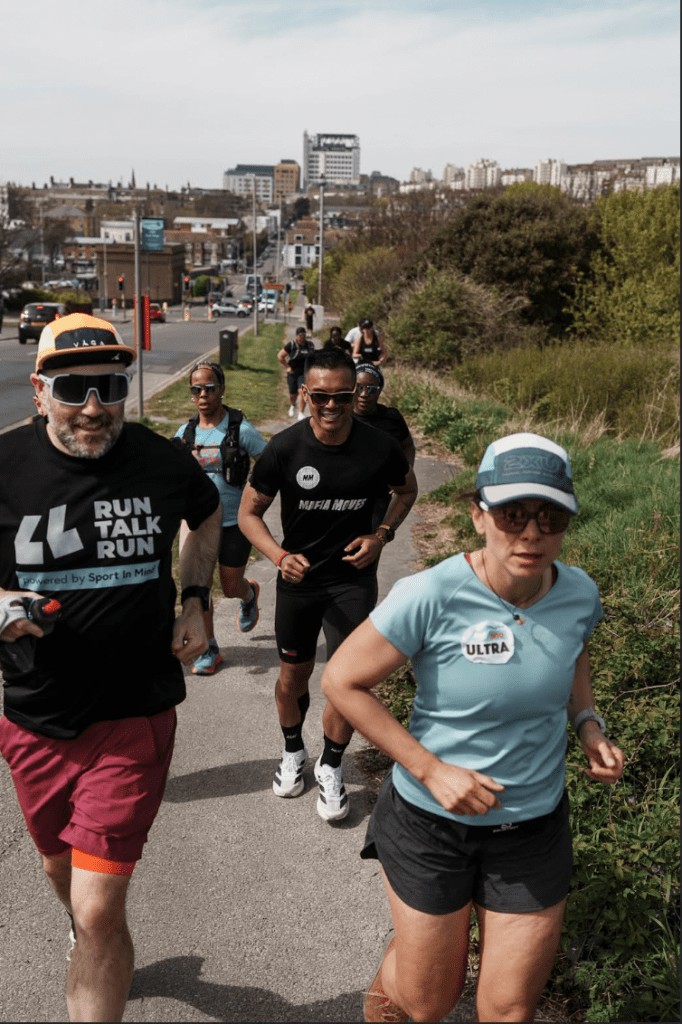
Photo from Run Talk Run group
“We’re here for all of that. You can just come along and be part of it, or you can share if you want to.”
The group also uses informal tools to help participants reflect on their wellbeing. One example is a simple self-rating system, where attendees are asked to score their mental health out of ten before and after a session.
“For most people that will have moved a little bit,” Grey said. “Even if it’s just from two to a three, it gives people evidence that coming along has helped.”
While Run Talk Run is not designed to replace traditional mental health services, Grey emphasised that it can complement them. Leaders are trained to signpost participants to professional support when needed.
“We’re not saying running replaces therapy or medication,” he said. “Those absolutely have their place. But not everyone is ready for or able to access traditional therapy.”
He added that one of the key strengths of the model is its informality and human connection, which can sometimes feel less clinical than conventional settings.
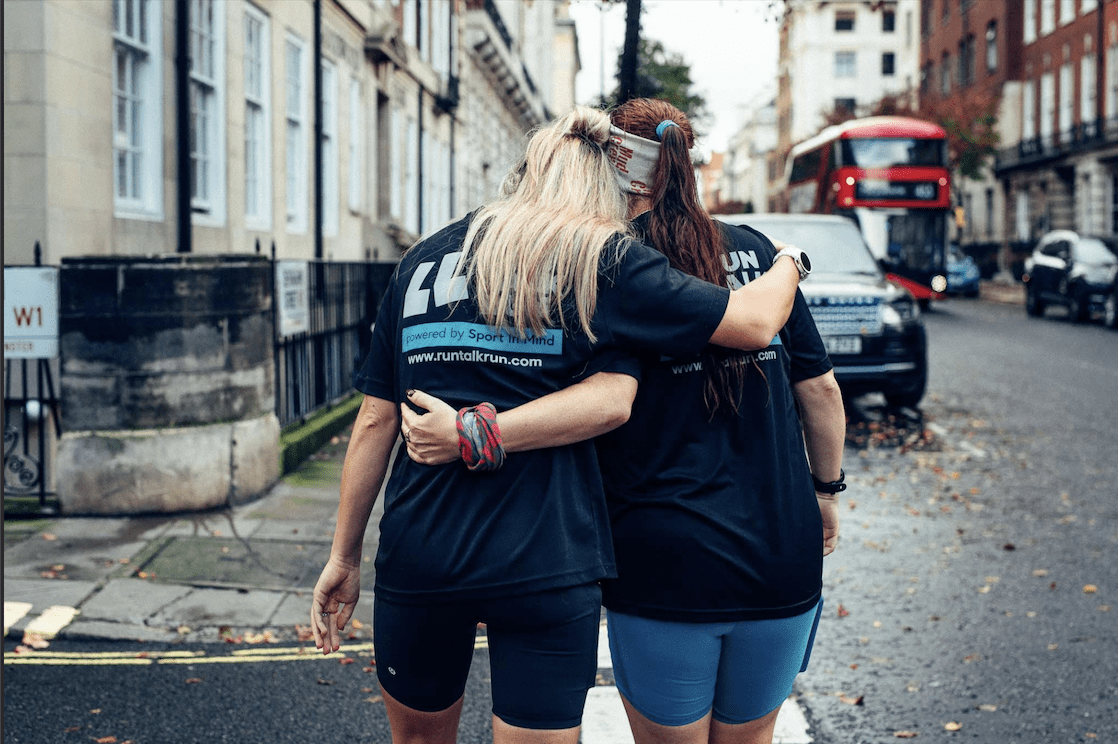
“In therapy you’re often sitting opposite someone in a very structured environment. Here, you’re moving together, side by side, which can make it easier to open up.”
At its core, Run Talk Run aims to reduce isolation and foster community through shared movement. Grey described it as a space where people are met as they are, regardless of background or experience.
“We welcome everyone,” he said. “We all have mental health. Some days are better than others, and that’s okay.”
He also noted that the impact of the group is often long-term and subtle rather than immediate transformation.
“It’s not that we solve mental health completely,” he said. “But people often leave feeling just a little bit better.”
As social isolation and mental health challenges continue to rise, initiatives like Run Talk Run suggest that support does not always need to exist in clinical spaces. Sometimes, it can begin with something as simple as moving forward together.