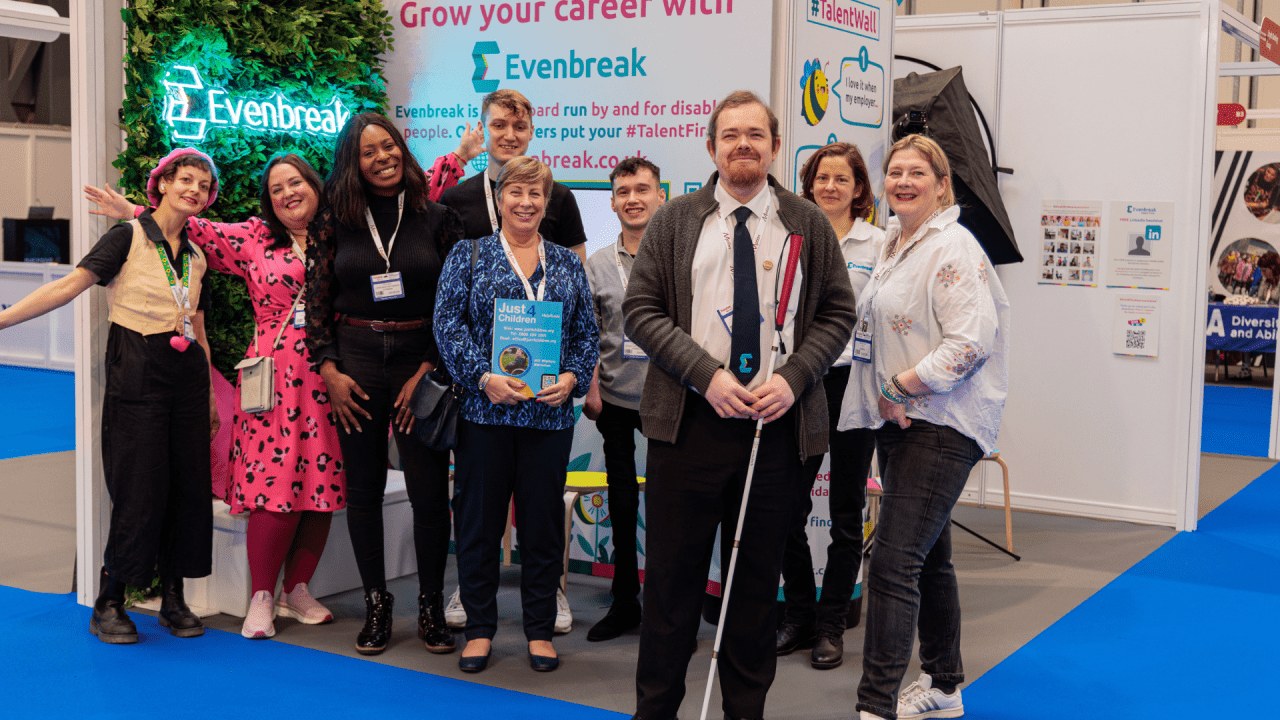
Photo: Evenbreak
Diversity isn’t just about hitting a quota, Evenbreak is teaching employers how becoming more inclusive can allow them to tap in to a new pool of talent.
Evenbreak is the only global job board run by and for disabled people. It is an award-winning company that connects employers and disabled candidates, as well as offering training and consultancy to help organisations attract and retain disabled talent.
The social enterprise exists to highlight employers who are genuinely inclusive for disabled candidates and open to making workplace adjustments. It also teaches hirers about inaccessible recruitment processes.
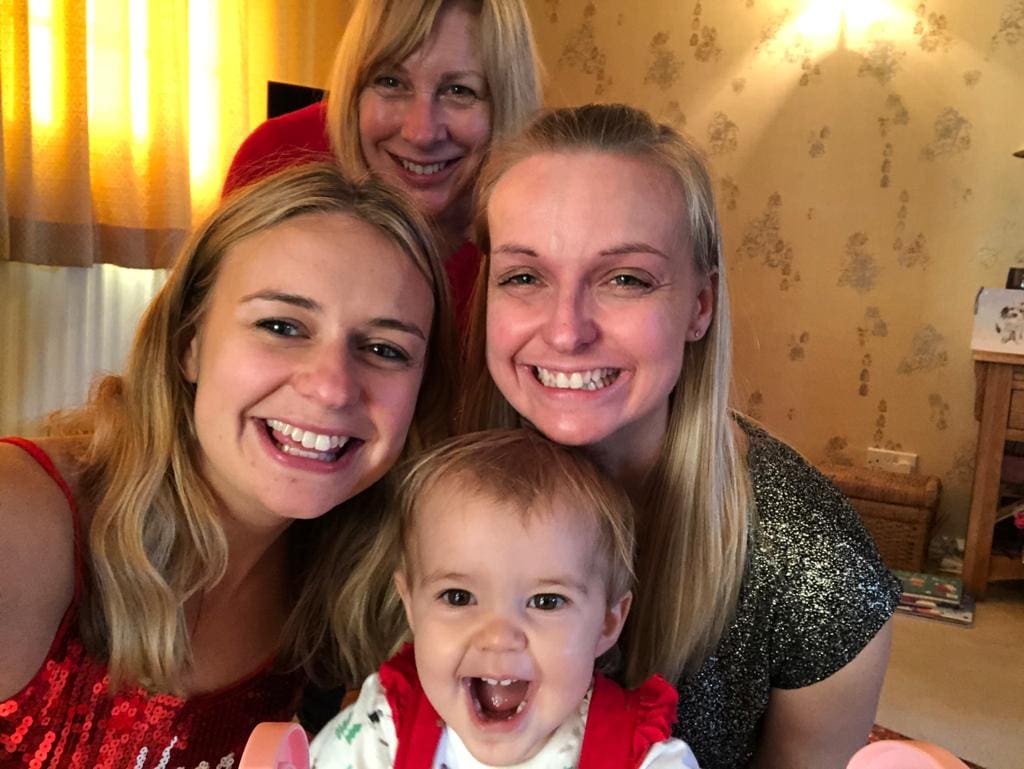
Jane Hatton, the founder and CEO of Evenbreak founded the company in 2011. Prior to it she was an experienced diversity and inclusion professional but after becoming disabled herself in her 40s with a degenerative spinal condition it changed her perspective on the issue.
“Like 83% of disabled people, I became disabled later in life. I ended up with reduced mobility and could no longer sit at a desk. This was back in 2011 when the world was even less enlightened around disability inclusion than it is now.
“I found the same way as so many other disabled people – the only way I was ever going to be employed was by employing myself or starting a business that would accommodate my needs. I spent most of my time lying flat with a laptop above me and in between feeling very sorry for myself I thought, actually, nobody has done anything about this conundrum around disability yet.”
Early support came from Network Rail, John Lewis, and Channel 4, but attitudes towards inclusion at most companies were still very different 15 years ago.
“Disability is often at the bottom of the list of priorities when it comes to diversity and inclusion, if it’s even on the list at all. Companies were still only at the starting point of thinking about race and gender, let alone disability, so it was really slow.
“When I talked to employers about disability they would say: “why would I want to employ a disabled person?” Or more positively they would say: “actually we recognize this is a pool of talent that we should be tapping into. We just don’t know how, and disabled people don’t apply.””
Since then Evenbreak has grown significantly with over 700 employers advertising on the site and more than 90,000 candidates registering on the platform.
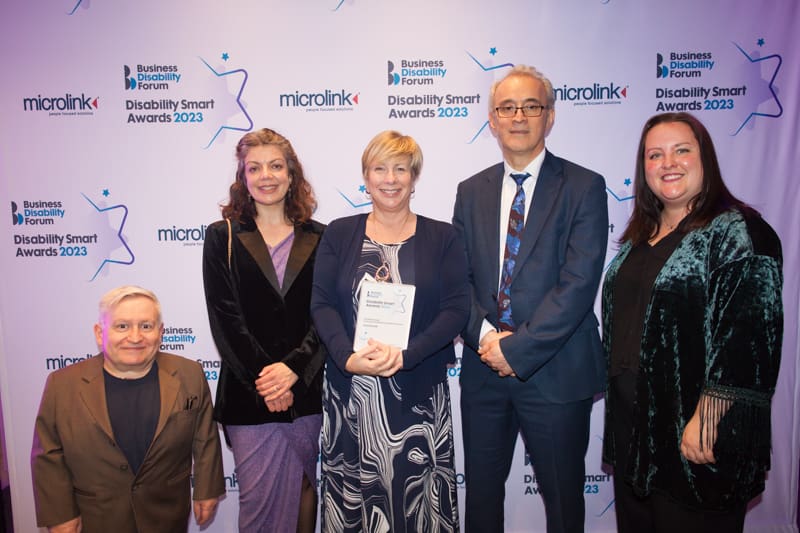
Jane Hatton holding an award for Evenbreak from the Disability Smart Awards 2023 (Photo: Evenbreak)
Research by Enactus UCL which Evenbreak commissioned surveyed 700 disabled people and found what the three biggest barriers they faced were when they were looking for work.
The first one was lack of confidence in employers and not knowing which organisation is safe to apply to.
Jane says one of the ways organisations can be ‘safe’ for disabled individuals is by being explicit in announcing they want disabled talent to apply and are willing to make workplace adjustments.
She also notes that companies often believe adjustments will be complicated and time consuming to implement but the most common one needed by disabled people is a flexible working schedule.
“Most of the accommodations that disabled people need are free and really easy to implement. It might be somebody with sight impairment saying, “Can you just keep the walkways clear so I don’t trip up over stuff?” It’s not complicated.
“It’s about not making the assumption that disabled people are going to be expensive and disruptive and need lots of complex equipment. Even if that is the case, if they’re the best candidate, it’s still worth making those adjustments.”
She points out that the best approach is simply to ask each disabled person what works for them, because even if two people have the same diagnosis, a diagnosis never tells you the adjustments someone might need.
She says people often don’t ask due to “nervousness around inclusion and the worry of using the wrong terminology,” but most disabled people appreciate the question and the intention to be more inclusive.
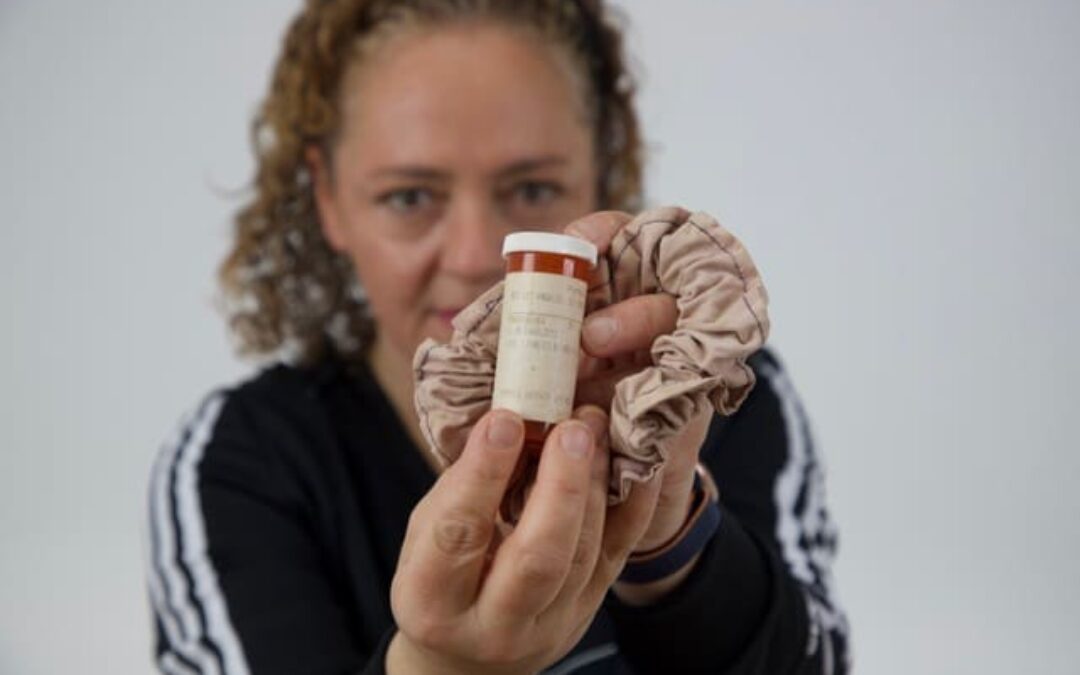
Informative leaflet by Evenbreak (Photo: Evenbreak)
The second biggest barrier according to the UCL research is confidence in the recruitment process which can discourage disabled people from applying.
“CVs work if you’ve had a really good work history and a great education, but if you’ve been discriminated against because of a disability or any other reason your CV isn’t going to look as impressive as somebody who hasn’t been discriminated against,” says Jane.
“We also focus on the interview process, as people who are anxious or autistic may find five strangers bombarding them with questions very difficult. We can still use interviews but make them more accessible to all candidates.”
The third biggest barrier to employment for disabled individuals is their own self-confidence, Jane explains: “Society has done its job and conditioned disabled people into believing they have nothing to offer.
“That’s why we need more role models and leaders and people in work to be more open about their own challenges they face, so that other people can see they could do that job with the right adjustments.”
This is exactly what Evenbreak has sought to do. Since Jane herself faced barriers to employment she made sure all staff at Evenbreak have lived experience of disability, providing a company which is able to set by example, making adjustments for their staff and representative of the jobseekers that need them.
In fact this is the main thing she attributes to their quick growth as a company: “Our success is completely down to the fact that the team all face barriers and all have developed skills to navigate around them.
“That’s what I really want to say to employers: not that you should only employ disabled people for inclusion, but the tremendous benefits they bring to your organization.”
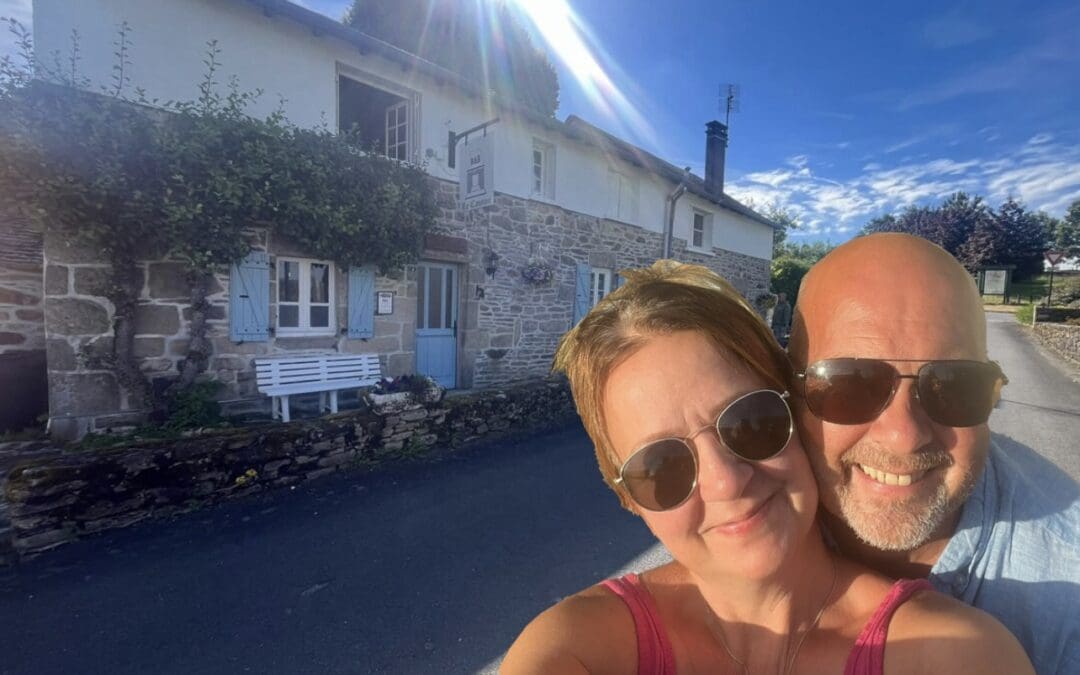
One of the people that has helped the company become what it is today is Lee Mercer, an account manager at Evenbreak who lost his vision in 2018 at the age of 29.
Lee was working in admin for an investment company when he noticed his vision becoming blurred at the start of 2018. After urging doctors to take his worries seriously he was referred to an eye clinic but in the weeks leading up to the appointment the blood vessels in the back of his eyes ruptured and he was left with no usable vision aside from mild light sensitivity.
This was the result of a condition called diabetic retinopathy which stemmed from the type 1 diabetes he had been diagnosed with since 2001.
He was registered blind in 2019 but before the diagnosis came he spent a lot of time at home, struggling to come to terms with his condition and how it would affect his future.
“I moved back into my mum’s house and went through a time where nothing was around me all day but the thoughts of the big list of things I wouldn’t be able to do anymore.
“I spent so much time blaming myself for not managing my condition, blaming the condition itself, and the doctors for not noticing it sooner. A lot of misplaced anger and frustration at the situation.
“It was only when I got registered in 2019 that I started to focus on acceptance. As I was able to meet with groups and charities through the hospital I was able to switch my thinking from the loss of my independence to the ways in which I could adapt.”
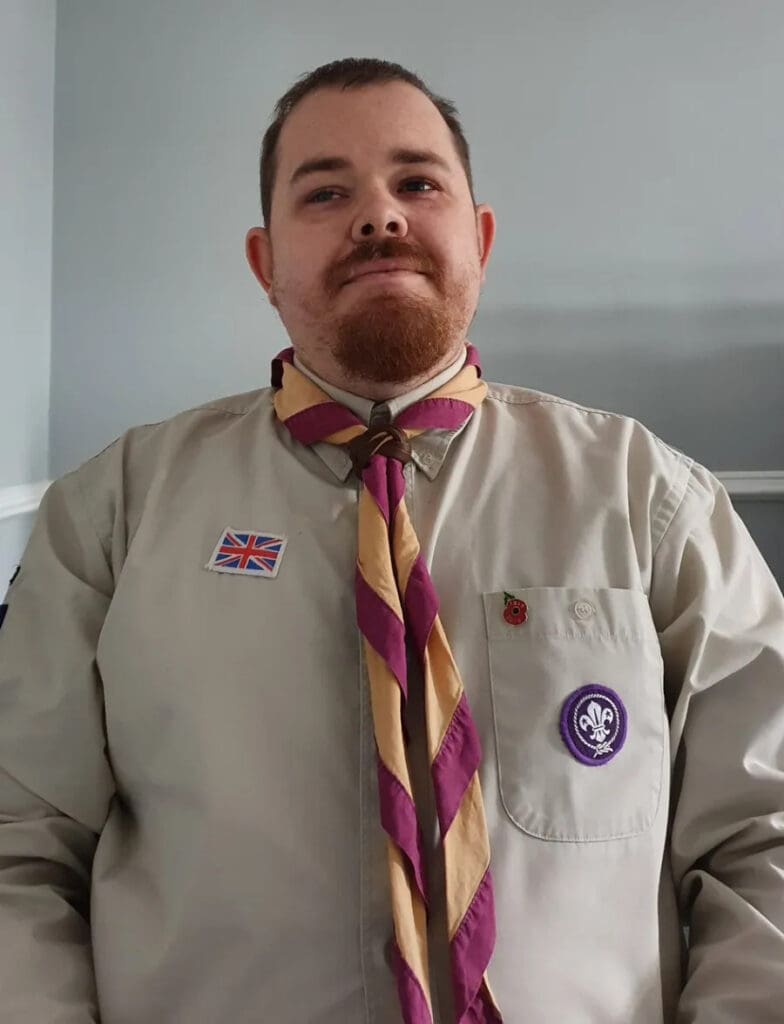
Lee Mercer has been a long term member of the Scout movement and volunteers at his local group (Photo: Evenbreak)
Lee’s previous job in admin required handling a large amount of data and spreadsheets. After losing his vision he worked with this employer to make workplace adjustments in hopes to return to his role, but the company was unable to support the level of adaptation that he needed and he left the company in 2020.
He was then introduced to Evenbreak in early 2021 through a job centre and was given a position in July of that year.
“The part I love most about this job is being able to see the impact that we make. My previous job was not unfulfilling, I enjoyed myself, but I didn’t see the end result of anything I did.
“Whereas here, we really see the impact that we have on both individuals and on companies and are always growing which gives me an immense sense of pride in what we do.
“I say a lot of the time when I do talks with Evenbreak that the biggest barrier to employment is believing in yourself, it’s flipping that switch from worrying about what you’ve lost to looking at how you can progress.” he says.
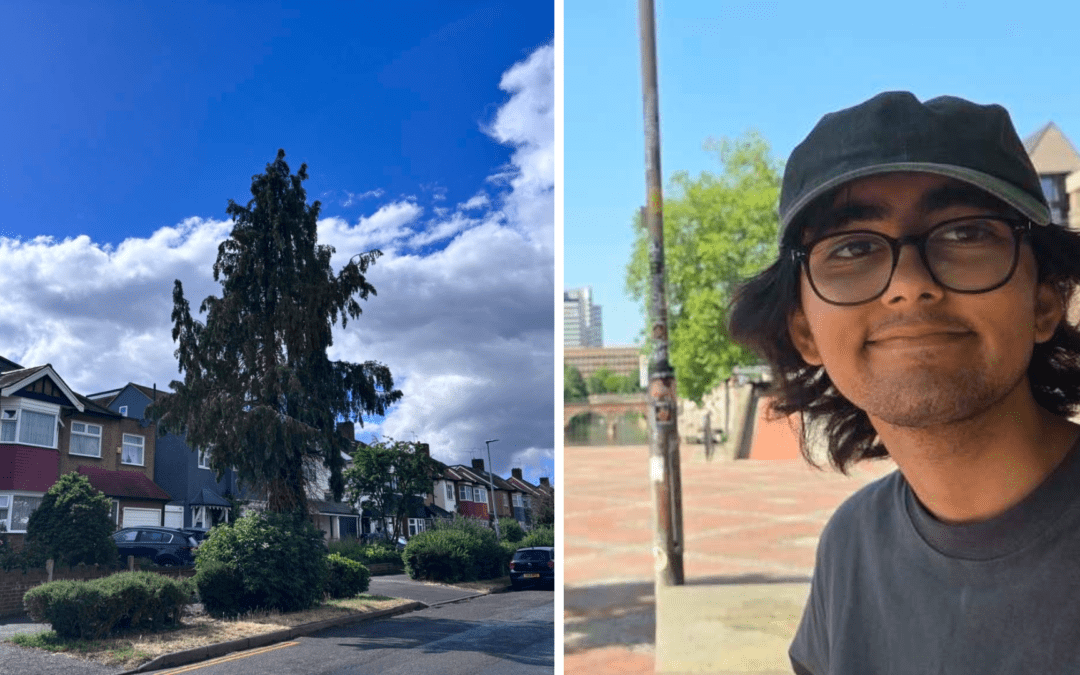
Another Evenbreak employee is Mahomed who lost his sight to retinal detachment issues, one of which he had at 8, losing sight in one eye, and the other at age 16 losing his remaining vision.
Despite facing significant challenges with accessibility and inclusion he went on to excel at school and graduate from university, becoming committed to working in a sector where he could make an impact and support other disabled people.
“When I would see the challenges other blind people faced in employment or travelled overseas to see family and saw how few opportunities blind and disabled people have, I was shocked.
“In other countries where there aren’t any opportunities at all for disabled people, they exclusively live at home and hope others can support them. This can be due to the infrastructure, cultural barriers or employers lacking knowledge.
“I did my first ever internship with a charity and naturally it fit what I wanted to do, even if it wasn’t directly disability or social inclusion, it was still a sector that was focused on making an impact in society and that appealed to me,” he says.
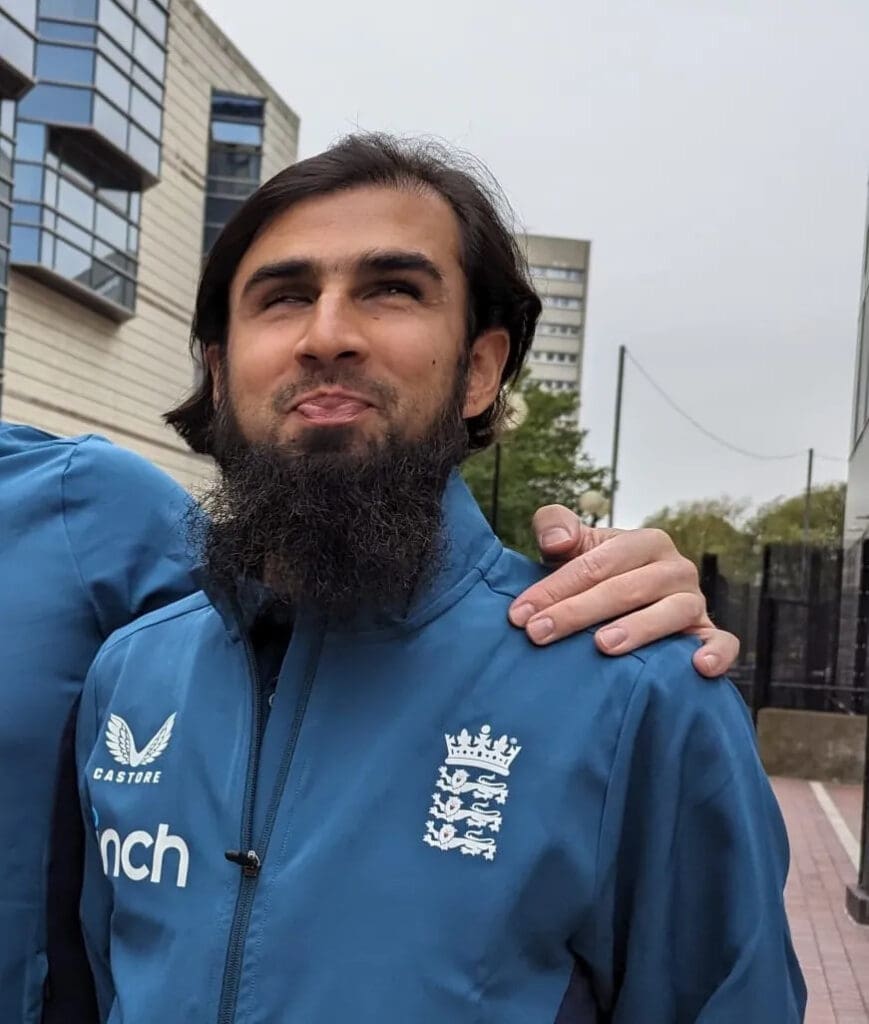
Mahomed in his cricket attire: alongside working at Evenbreak he has also played cricket at a high level (Photo: Evenbreak)
At university he had support from a dedicated disability support team but after graduating he felt a lack of confidence around applying to jobs.
“I was worried about getting into the workplace as I often didn’t see other disabled people taking the traditional path that non-disabled people would take.”
But in 2021 he started working at Evenbreak as an account manager, a perfect match for someone with his aspirations of helping disabled people into employment.
Now, five years on, in the role of Employer Engagement lead he says: “We need to use the platform we have here to try and support everyone and ensure the whole world is a fair place.”
An ambitious goal, but perhaps possible for this company which has already achieved so much in the last fifteen years. Working with employers from Australia to the Middle East, Evenbreak is building a global picture of the barriers disabled people encounter and the practices other countries are getting right.
Jane shares with Uproute one of the more personal motivations she had for setting up Evenbreak to begin with: “When you become disabled you feel this internalised ableism that you have to prove to the rest of the world: “I’m still good, I can still do stuff,” and it does give you a kind of determination to prove everyone wrong.
“But we need to look at disability not as a tragedy, but as a systems issue and look at how we remove barriers so that people who are different can thrive.
“If you become disabled life does become different, but not necessarily worse, in some ways it becomes better. One of the things I am the most proud of after my children and my grandchildren in life is Evenbreak.”