43 year old Chris Lynam is no stranger to pain. He has spent a total of 250 hours in therapy. He has also experienced and suffered drug addiction, homelessness, psychosis, Post Traumatic Stress Disorder, and incarceration. One could be forgiven if they were to completely crumble when faced with any one of these monstrous tribulations. Chris has faced them all, and is now a poet, social activist, speaker, and counsellor.
“Ten years ago I was mentally ill, seeing and hearing things that weren’t real, I committed various offences related to my mental health, I was eating from bins injecting heroin and methamphetamine and I went to prison.
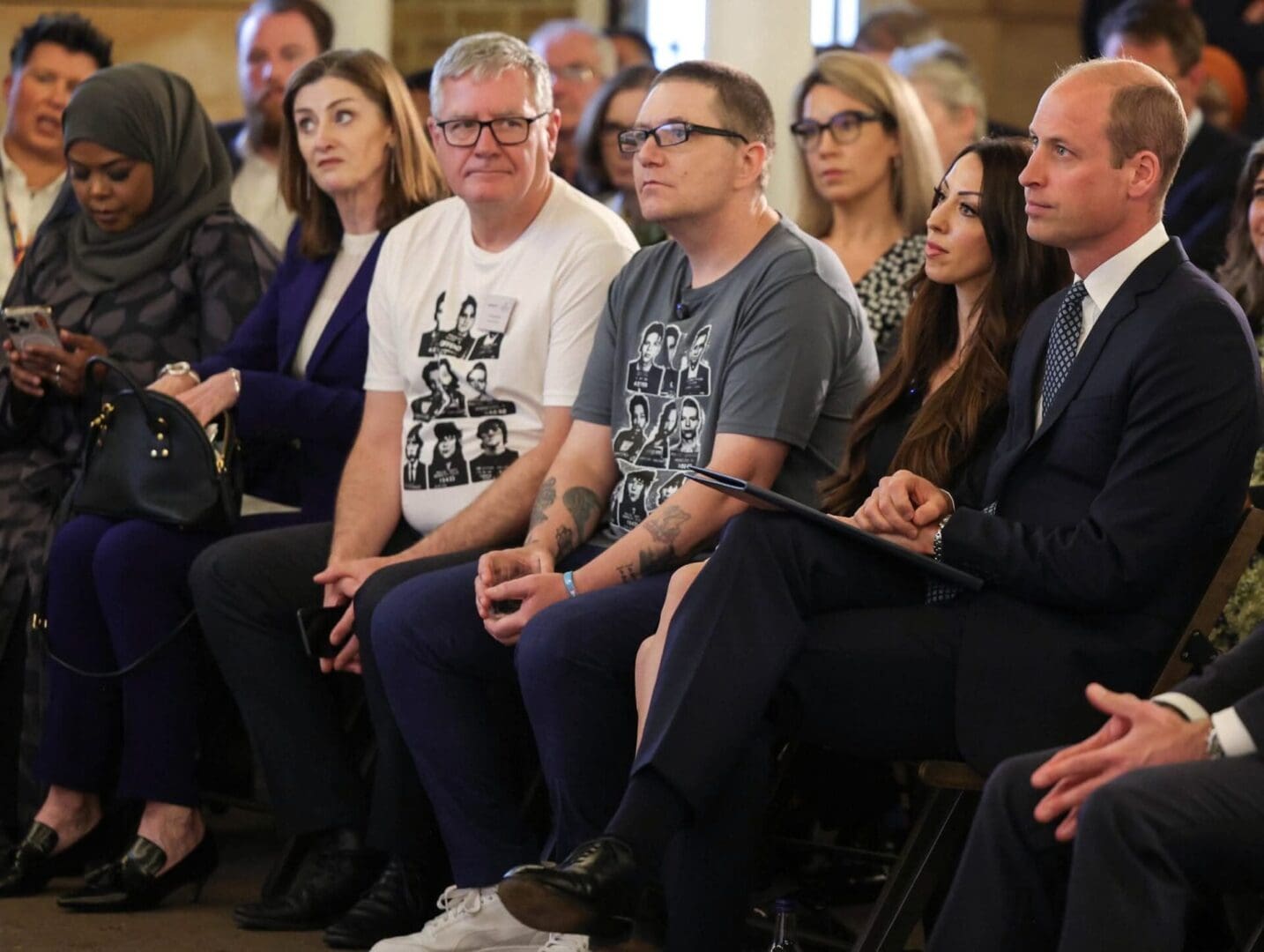
“Austenciably, my life was over. Today, I am clean and sober, I work with young people, I work with the prince’s organisation, I lecture at universities and podcasts. So my story is about hope.”
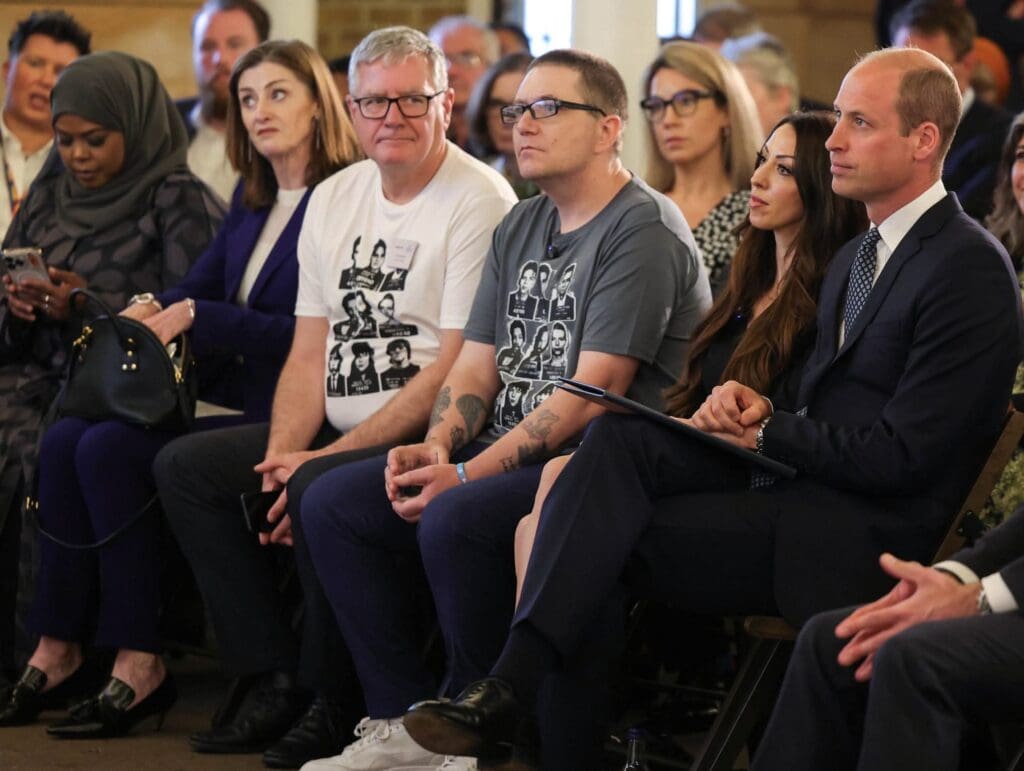
Hope is one way to put it. Chris’s nonchalant and understated tone when delivering those words reveals a deep tranquillity and acceptance with which he now approaches his life and story. He, of course, admits that he still feels anger about very many things, but this anger has been alchemised into a deep empathy and sensitivity for injustice, and a passion for writing and performing poems.
Chris grew up in an economically deprived situation in Northern Ireland. His childhood was spent living in a caravan that did not have running water and plumbing. As a young adult, he decided to leave school and join the Royal Navy.
Without a healthy way of processing the various traumas of military service as well as an incredibly abusive childhood which involved both sexual and physical harm, Chris resorted to drug and alcohol use as a coping mechanism. This use gradually developed into a deep dependency of heroin and other stimulants. Eventually Chris’s addictions propelled him into the criminal justice system for burglary and arson offences he committed during episodes of drug-induced psychosis.
Chris’s undiagnosed neurodiversity also contributed to a sense of isolation which fueled his addiction.
“I’ve always known that I was a bit different from other people, but never really knew why. I could never hold down a job. I was never interested in holding a job. I didn’t care. I never cared about status. I only care about feeling and emotion, I only care about being happy and the people I love being happy. I never knew there was a word for it, but I always felt odd, a bit awkward and a bit weird. It was only 6 or 7 years ago when my son Liam was born and we noticed that he wasn’t really acting like the other kids, that my boss’s autistic wife said to me, “Chris, you’re probably autistic too!”
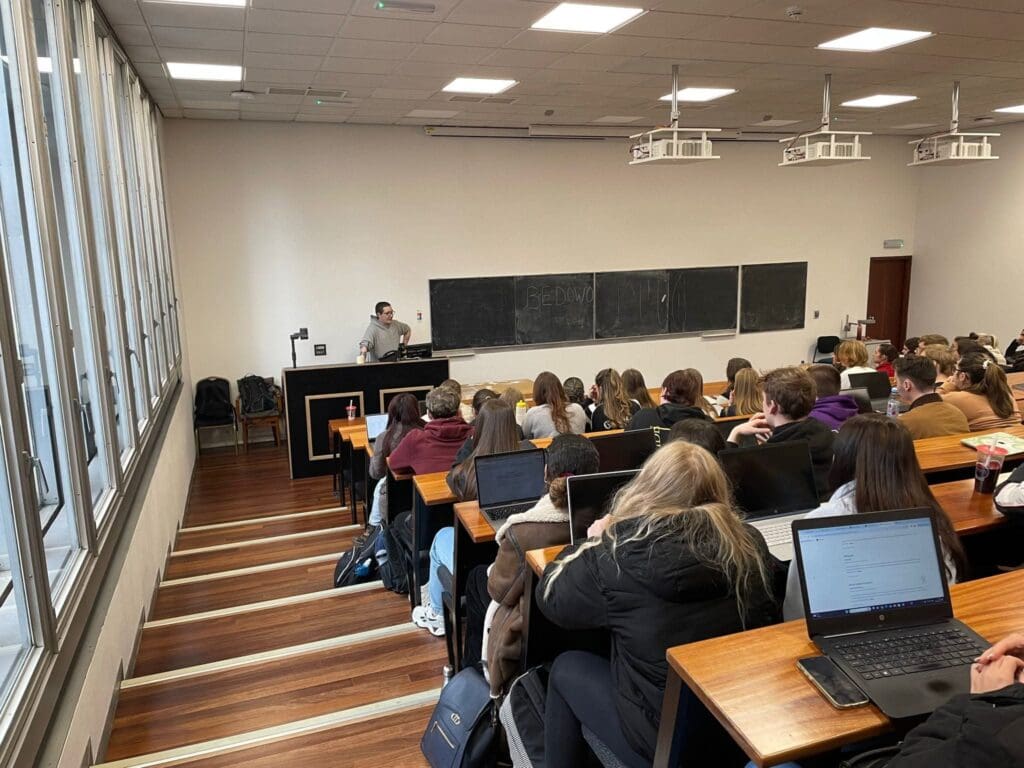
“Most of the guys I met in prison had ADHD or autism, just on a very high-functioning level, especially the addicts. Autistic and ADHD people can’t produce dopamine. You’re seeking something that you don’t know you need, but your brain bloody does! So we seek out weed, we seek out sex, we seek out gambling, we seek out drugs, so we are far far over-represented in the justice system which is scary.”
It was in prison that Chris began to turn things around for himself. A slow process of embracing the utter extremity and torment of his situation ensued, and he began to think of ways in which he could help people.
“The place where I finally really didn’t feel so alone was in prison. Prison was an incredibly transformative place for me. I never felt scared, I never felt fear. I actually received a lot of respect for being articulate and intelligent. This was weird, because I never went to university and left school when I was 16 to join the military. I found myself writing letters for serious criminals like gangsters and murderers and high-level drug smugglers. A lot of the time I was writing very personal stuff, like letters for their anniversary and poems for their kids.”
When Chris realised that the literacy of other prisoners was poor, he felt that he could help. He signed up for a literacy mentor programme and taught other prisoners how to read and write. He realised that the prisoners were very receptive to his teachings as he was a fellow prisoner and not staff from the prison or from a social service.
The prison life described by Chris appears in sharp contrast to stereotypical characterisations of what a prison is and who occupies it. Chris describes an environment where broken and abused people try their best to overcome their own personal hells. Prison, for Chris, was a place where tragedy and violence did occur in congruence with kinship, altruism, and community.
“You get close to the guys, because you live with them. We had this lovely thing where we would take a few pounds each off of our canteen money and we would all make a massive spread of sweets and chocolate and we would go knock on the doors of the prisoners who didn’t speak English, the guys who had mental health problems and didn’t have money.
“It was in this climate that I remember telling a story about me being sexually abused when I was young. What really made me sad was that most of the guys at the table began nodding their heads, and the reason they were nodding their heads was because the same thing had happened to them, and that’s why they were all in prison. We all deserved to be where we were, but we were all children failed by society.”
For the first time in two decades, Chris wasn’t using drugs. He had developed close relationships and found a purpose in teaching other prisoners how to read and write. However, he became terrified by the fact that when he was going to be released from prison, he would be going back into a life of homelessness.
A couple of weeks before Chris got released, a member of the prison chaplaincy team happened to meet the manager from a cleaning company who was familiar with the Sheffield based homelessness charity The Archer Project. The lady phoned the Archer Project manager and recommended Chris as a potential employee. Chris was picked up by a catholic priest who conducted mass in prison. He gave him 150 pounds in cash and paid for a hotel stay.
“Normally when you’re released from prison, you’re given 47 pounds and you’re pushed out the door, and you’re meant to make that last until you get your benefits through. It was those people who took a chance on me and saved my life. They also stopped more harm from being done to society. Can you imagine if all prisoners were given the same chance that I was?
“I still feel a bit guilty about that sometimes, imagine if we did that for every single guy in there?”
Chris constantly emphasises that the only reason his life was changed was because someone trusted him and saw him as human. He has kept up his work with the Archer Project and dedicates himself to helping people who were in a similar circumstance as him. Nowadays, Chris is a partner and a father. He is also working on getting his degree for psychological counselling. The drive behind this is the hope that one day he can work with sex offenders.
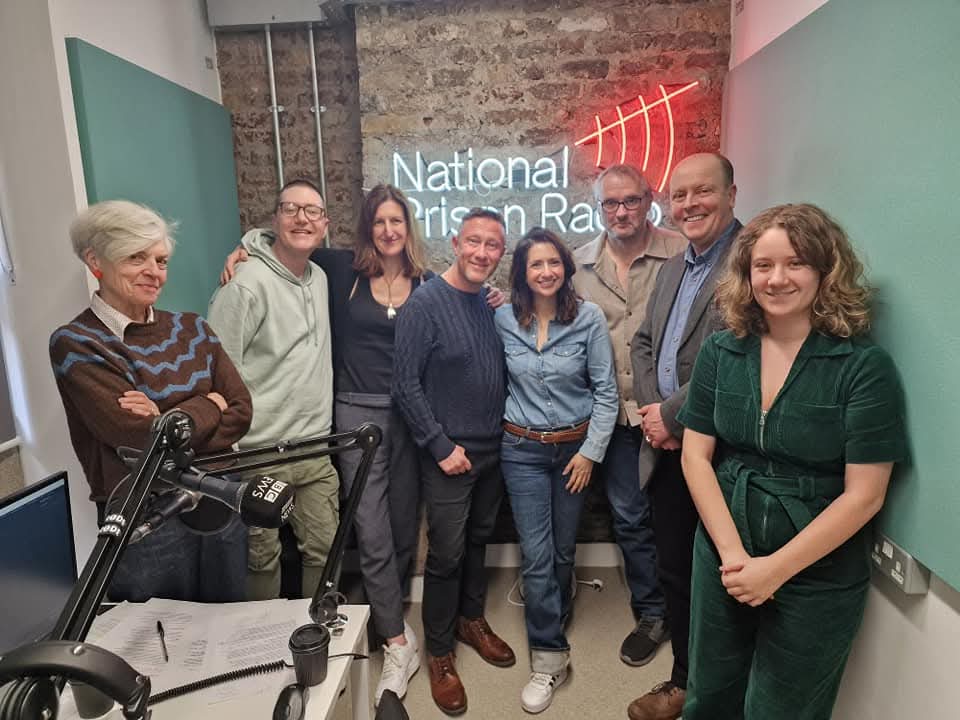
Chris Lynam with National Prison Radio Team Credit: National Prison Radio